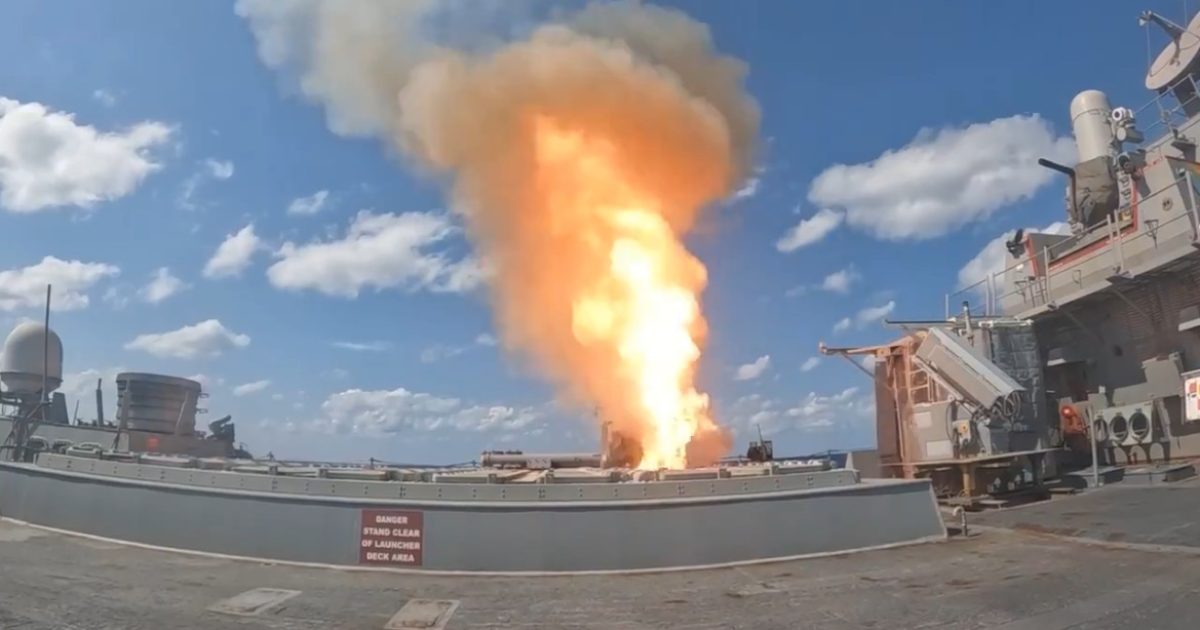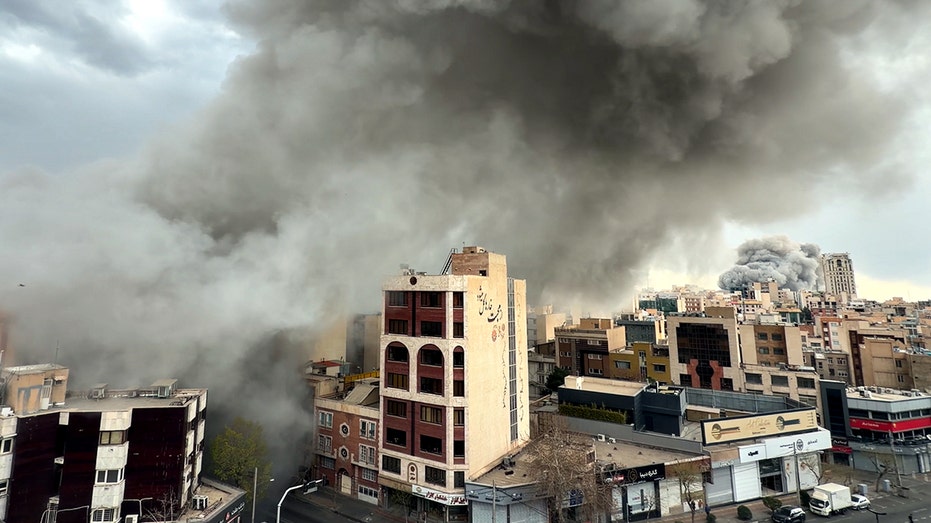
Sir Isaac Newton’s Third Law – for every action, an equal and opposite reaction – isn’t confined to physics. It echoes powerfully through the halls of politics, and right now, the world is bracing for a significant political reverberation stemming from the unfolding events in Iran.
The dimension of this reaction remains unknown, its impact on the upcoming midterms still shrouded in uncertainty. While the war’s trajectory is unclear, one thing is certain: an event of this magnitude will inevitably reshape the political landscape.
President Trump’s core campaign promise – “America First” and a withdrawal from foreign entanglements – now lies in stark contrast to the current reality. This shift is already creating friction within his base, potentially driving away voters who feel betrayed by a broken pledge.
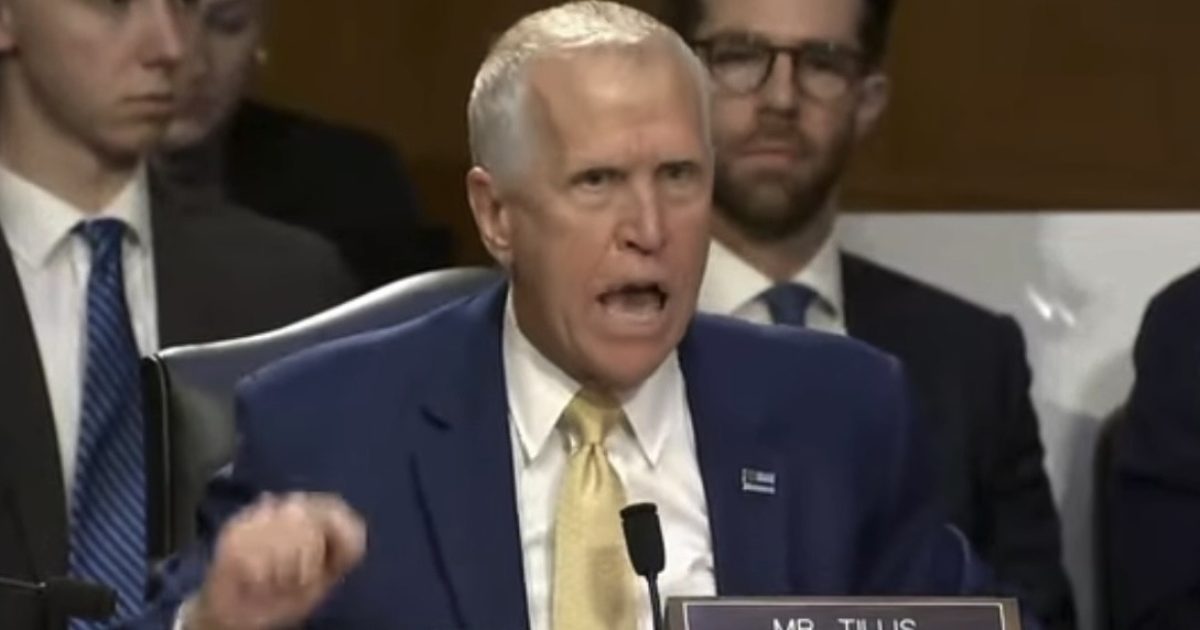
Despite this, most congressional Republicans are currently standing by the President. However, a small but vocal contingent, including Representatives Thomas Massie and Warren Davidson, are echoing Democratic concerns, insisting on congressional authorization before deploying troops into conflict.
While the debate centers on constitutional principles and war powers, it’s a “technical” argument that may not fully resonate with the average voter. The real danger lies in the perception of a broken promise – a president initiating a war after explicitly vowing to avoid them.
Then there’s the grim reality of casualties. The President has acknowledged the possibility, and some have already occurred. His willingness to contemplate a protracted conflict, even deploying ground troops, evokes memories of past wars and their lasting consequences.
The first Gulf War offers a stark comparison. President George H.W. Bush meticulously built international support and secured congressional approval before engaging in conflict. While he ultimately lost re-election, the initial public response was overwhelmingly patriotic, with approval ratings soaring to 89%.
However, that initial surge faded as economic concerns took hold, ultimately dropping his approval to around 30%. This illustrates a crucial point: even a successful military campaign can be overshadowed by domestic issues.
If the war proceeds swiftly with limited casualties, Republicans could capitalize on a wave of patriotism, potentially gaining ground in key districts. But a prolonged conflict, coupled with mounting casualties and a lack of clear justification, could prove disastrous.
The President has offered a series of justifications for the attack on Iran, but these explanations are failing to satisfy congressional Democrats. Abstract concepts like “regime change” hold little weight for a struggling worker in Wisconsin.
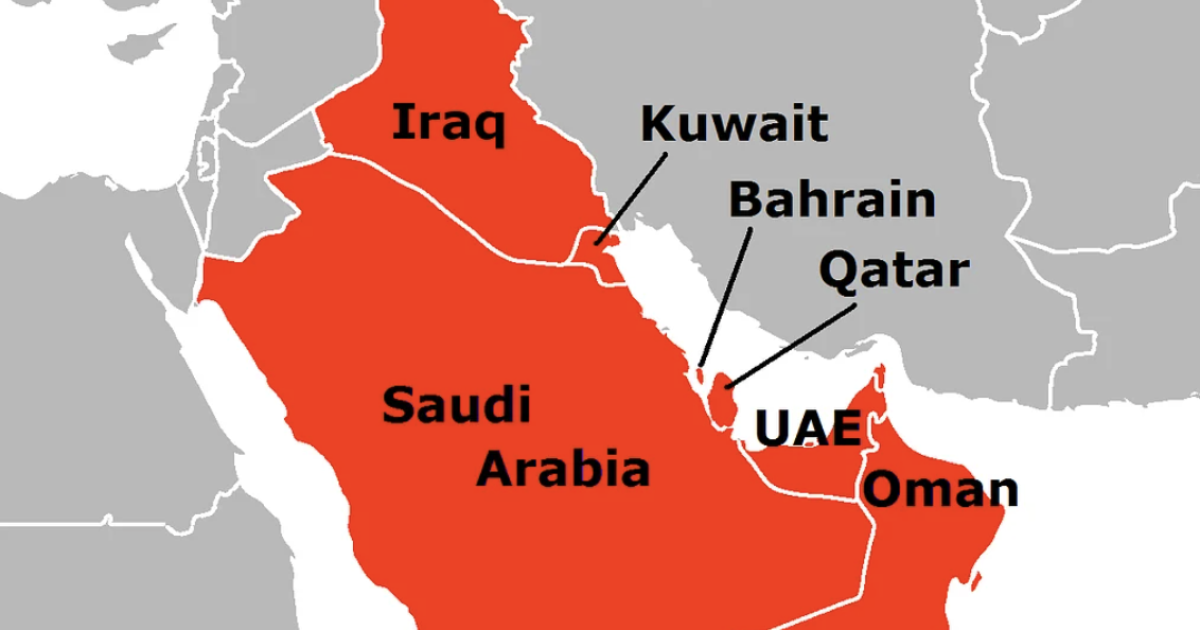
Beyond the political fallout, the economic consequences loom large. The Strait of Hormuz, a vital shipping lane for oil and liquefied natural gas, is already experiencing disruptions. Rising fuel prices and broader inflation could quickly erode any potential political gains.
The potential for regional instability is also a significant concern. Chaos in the Middle East, while seemingly distant to a voter in Maine, could shock global markets, drive up prices, and disrupt supply chains. The involvement of China or Russia would only amplify these risks.
Perhaps the most unpredictable factor is the threat of terrorism. A devastating attack on U.S. soil could rally the nation around the flag, potentially benefiting the GOP, mirroring the surge in support President George W. Bush experienced after 9/11.
However, such an event could also be interpreted as a consequence of the war itself, potentially backfiring on the President and Republicans. Democrats, meanwhile, face their own vulnerabilities, particularly regarding funding for the Department of Homeland Security.
Their refusal to fully fund DHS, driven by demands for changes to ICE, could prove politically damaging if a terrorist attack occurs during the funding lapse. Republicans are already attempting to force a vote, aiming to highlight Democratic opposition to border security.
The political ramifications are complex and far-reaching. As Newton observed, every action has an equal and opposite reaction. The war in Iran has initiated a chain of events, and the ultimate political consequences remain to be seen.
Perhaps even more relevant is Newton’s First Law: an object at rest stays at rest, and an object in motion stays in motion. The situation with Iran was, until recently, relatively stable. Now, it’s undeniably in motion, and stopping it will be a formidable challenge.