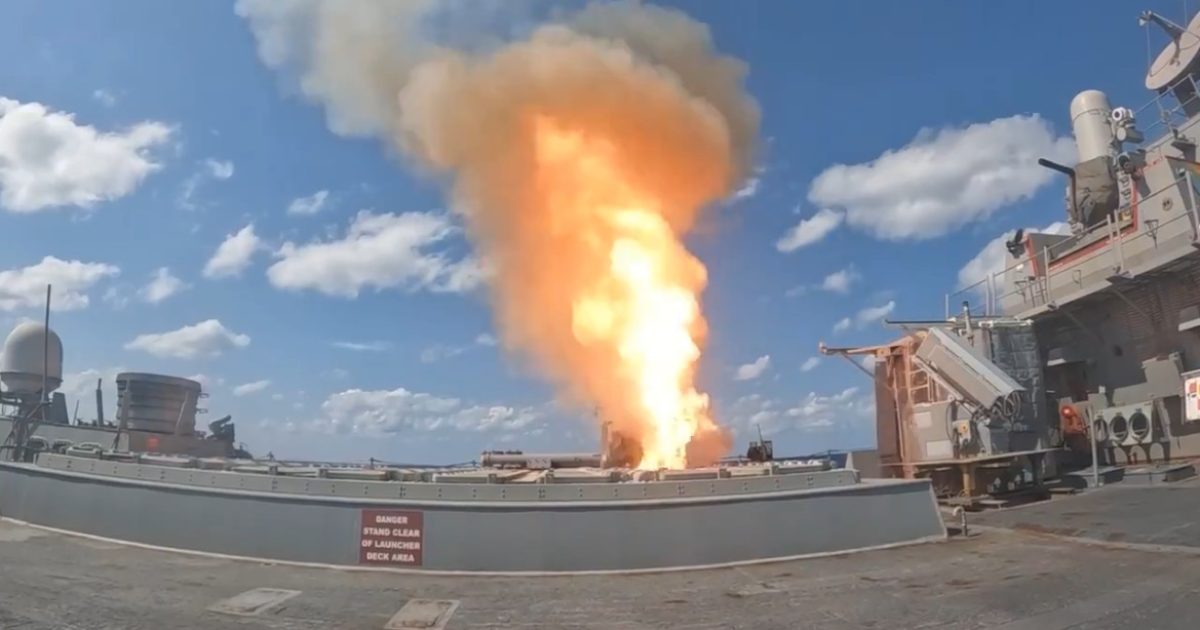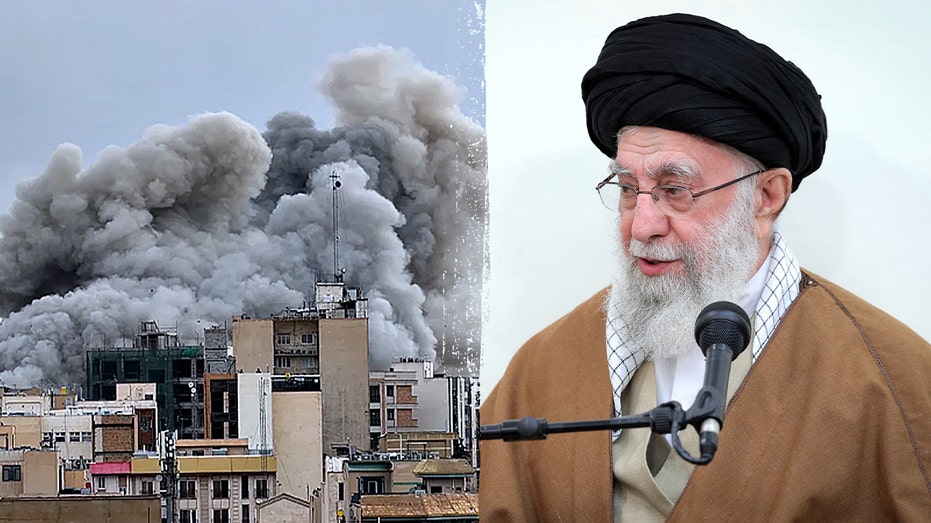
A chilling assessment has emerged from former President Trump: the carefully constructed leadership succession plan within Iran has been systematically dismantled. U.S. military actions, coupled with reported Israeli strikes, have reportedly eliminated multiple tiers of potential successors to the Supreme Leader, leaving the Islamic Republic facing an unprecedented crisis of leadership.
Trump’s stark words paint a picture of a rapidly shifting landscape. “Most of the people we had in mind are dead,” he revealed, describing a succession plan that has been repeatedly targeted. He spoke of a “third wave” of potential leaders, hinting at the depth of the operation and the uncertainty now gripping Tehran’s power structure.
The stakes are immense. The fear isn’t simply a change in leadership, but the possibility of a successor even more hardline than those removed. Trump emphasized the danger of replacing one problematic leader with another, potentially setting the region back years and undoing any gains achieved.
Recent strikes, confirmed by Israeli Defense Forces, targeted a building in Qom associated with the Assembly of Experts – the body responsible for selecting the next Supreme Leader. While Iranian media claims the building was empty, the message is clear: the process of choosing a new leader is under direct pressure.
The scale of the operation is staggering. Reports suggest as many as 49 top Iranian leaders have been neutralized, a move described by one official as putting the operation “ahead of schedule.” However, officials insist this isn’t about regime change, but the reality on the ground suggests a profound alteration of the existing power dynamics.
Iran’s constitution dictates a temporary leadership council – comprised of the President, the head of the judiciary, and a senior cleric – until a permanent successor is chosen. But Trump’s claims of eliminating multiple potential candidates cast doubt on the ability of the Assembly of Experts to navigate this crisis effectively.
Intelligence suggests Ayatollah Khamenei himself was preparing for a transition, identifying potential successors like his chief of staff and the grandson of the Islamic Republic’s founder. Reports indicate some of these figures may already be casualties, further complicating the succession process.
The potential for a power vacuum is a significant concern. History is filled with examples – Libya after Gadhafi, Iraq after the U.S. invasion – where the removal of entrenched rulers led to chaos and instability. While Iran possesses formal succession rules, the elimination of key figures raises the specter of competing power centers.
The Islamic Revolutionary Guard Corps (IRGC), with its vast control over military, intelligence, and economic assets, could capitalize on any instability within the clerical leadership. Analysts warn that a failure to agree on a successor could empower the IRGC, shifting the balance of power within the regime.
Domestic unrest already simmers beneath the surface. Protests erupted in late 2025 over economic hardship and political grievances, met with a brutal crackdown. The regime’s response, and its subsequent attempts to control information through internet blackouts, underscore the fragility of the current system.
Outside the regime, exiled opposition figures like Reza Pahlavi, son of the last Shah, and Maryam Rajavi, leader of the National Council of Resistance of Iran, are positioning themselves as potential alternatives. However, their influence within Iran remains uncertain, and Trump suggested a leader from within the country might be more “appropriate.”
Trump points to Venezuela as a more instructive example, where a change in leadership occurred within the existing constitutional framework, with the U.S. exerting influence through economic and diplomatic pressure. The question now is whether Iran can follow a similar path, maintaining institutional continuity despite devastating leadership losses.
The coming months will be critical. Whether Iran can navigate this unprecedented crisis and maintain stability, or whether deeper fractures emerge within the clerical establishment, remains one of the most pressing and consequential questions facing the Middle East today.