A recent government announcement has ignited a firestorm of uncertainty across Vancouver and surrounding areas, prompting fears about property ownership and the future of land rights. The core of the concern? Language used in a federal news release regarding an agreement with the Musqueam Indian Band.
The release detailed agreements covering fishing rights, marine management, and crucially, territorial rights. But the specific terms remained hidden from public view, fueling speculation and anxiety. The government’s phrasing – recognizing Musqueam’s Aboriginal rights *including title* within their traditional territory – struck many as a potential transfer of ownership.
Musqueam Chief Wayne Sparrow amplified these concerns, stating the federal government acknowledges the band’s title and rights to their traditional land. This, coupled with the government’s statement, led many to believe a significant concession had been made, potentially granting ownership of a vast area to the Musqueam.
In legal terms, “right and title” traditionally equates to ownership. Considering the recent Cowichan Tribes v. Canada case, where a court granted title to another band, the implications for Vancouver homeowners are deeply unsettling. Fears of mortgage renewals being denied due to uncertain land ownership are already surfacing.
The lack of transparency surrounding the actual agreements only intensified the confusion. Without access to the full details, residents were left to interpret the implications of the government’s carefully chosen words, leading to widespread worry and speculation.
Federal Minister of Crown-Indigenous Relations attempted to quell the rising panic, stating via social media that the agreements “do not impact private property.” She framed the negotiation as a preferable alternative to lengthy and uncertain court battles, suggesting it upholds existing property rights while fostering reconciliation.
Chief Sparrow echoed this sentiment, clarifying that Musqueam has no intention of seizing private property. He emphasized a commitment to partnership and relationship-building with neighbors, rather than outright land acquisition.
However, the initial use of the term “rights and title” by the government created an undeniable implication of ownership. The 31-page agreement itself attempts to define these terms, linking them to section 35 of the Constitution Act, 1982, and encompassing Aboriginal title and self-government rights.
Within the agreement, a clear purpose is stated: to recognize Musqueam’s Rights and Title within their territory and to incrementally implement those rights. The document also emphasizes honoring Musqueam legal tradition and the United Nations Declaration of the Rights of Indigenous Peoples.
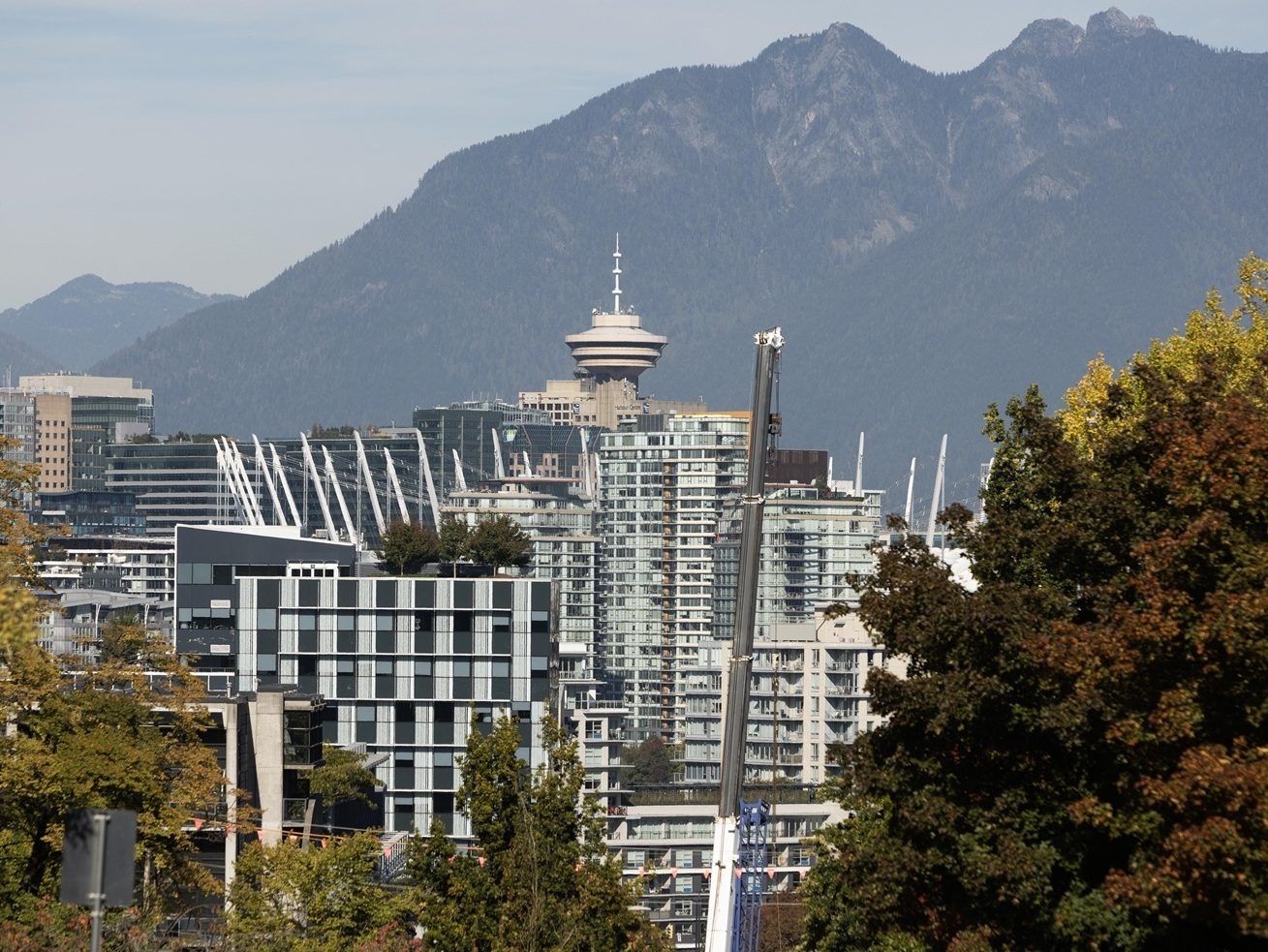
This wording, to many legal observers, goes far beyond simple recognition and suggests a significant shift in land rights. For homeowners in Vancouver, West Vancouver, West Burnaby, Richmond, and Delta, the agreement raises serious questions about the security of their property.
British Columbia’s unique situation – with few historical treaties covering much of the province – exacerbates these concerns. Unlike much of Canada, vast areas of B.C. are claimed by various First Nations. This lack of established treaties creates a particularly volatile landscape for land ownership disputes.
While the government claims to be providing certainty, this agreement may have inadvertently opened a complex and potentially disruptive new chapter in B.C.’s land rights history. The carefully worded statements and obscured details have left a community on edge, questioning the future of their homes and investments.