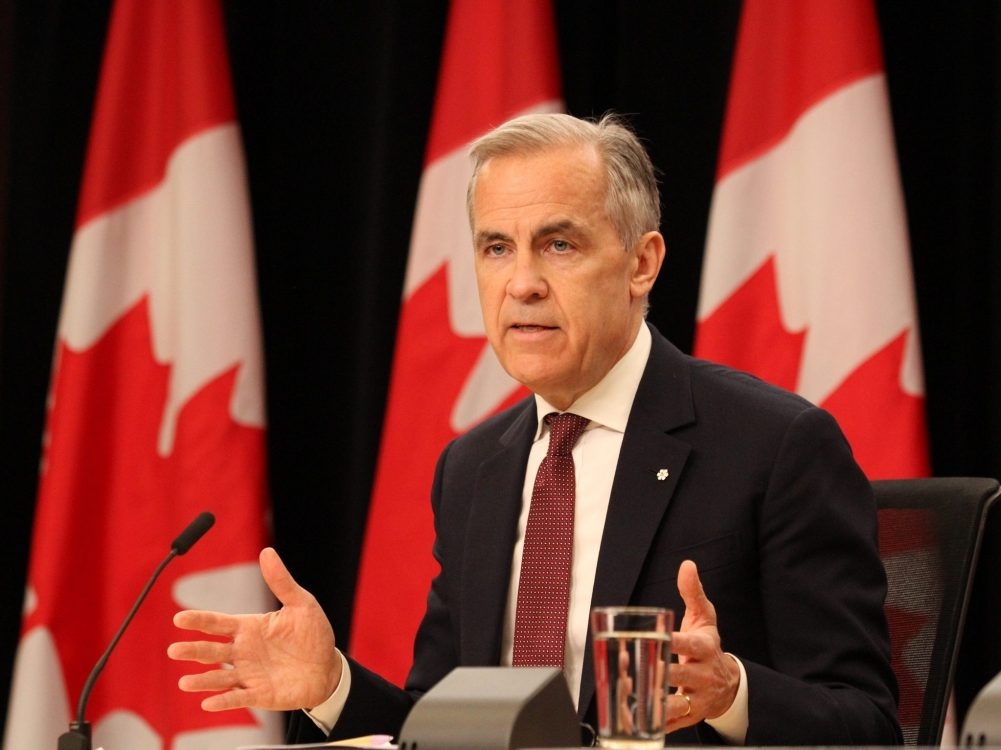
A wave of unease is sweeping across Canada as the United States and Israel pursue a course of action in the Middle East that few Canadians appear to endorse. Recent polling data reveals a stark division in public opinion regarding the joint operation targeting Iran’s government, with opposition significantly outweighing support.
The numbers paint a clear picture: nearly half of Canadians polled express some level of opposition to the strikes, with 26% strongly opposed and another 22% leaning against the operation. In contrast, only 35% indicate any form of support, split between those who support (21%) and strongly support (14%) the actions.
Political affiliation is a powerful predictor of opinion. A striking 64% of Conservative voters voice support for the operation, a figure that dwarfs the 17% support found among Liberal voters. This deep partisan divide underscores the complex political landscape surrounding the conflict.
The initial stance of Prime Minister Mark Carney, offering support for the strikes, has undergone a dramatic shift. Speaking from Australia, Carney now expresses regret, asserting that the actions appear to violate international law. He emphasized Canada was neither informed nor consulted prior to the military intervention.
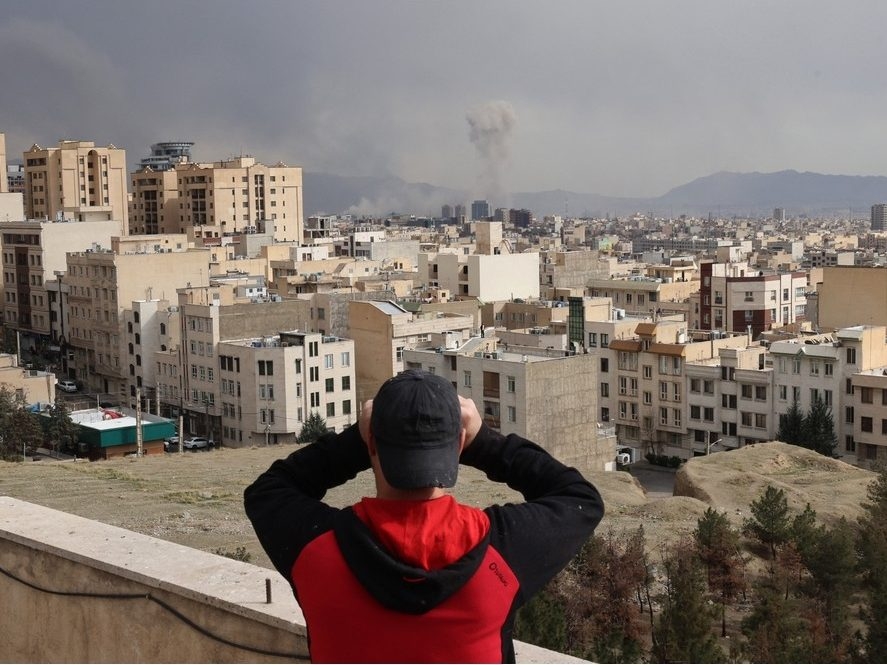
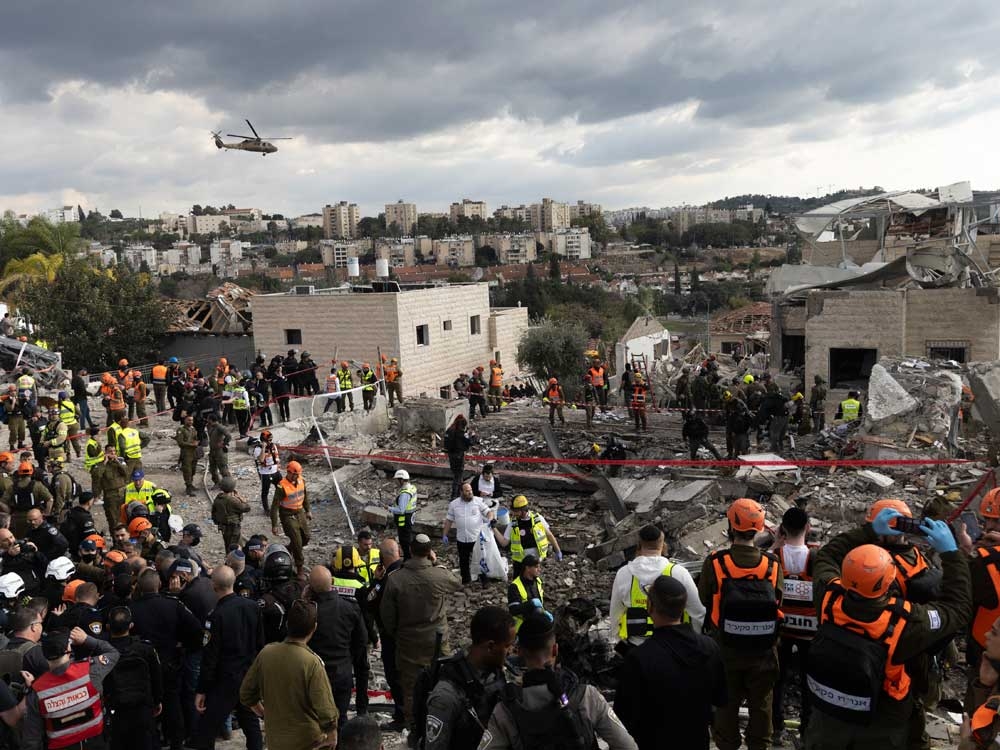
Meanwhile, the conflict intensifies on the ground. Israel has endured a relentless barrage of missile alerts – over 11,000 in a single week, averaging nearly 3,000 per day. Neighboring Arab states, including the United Arab Emirates, Qatar, and Saudi Arabia, are also facing retaliatory attacks from Iran.
Adding another layer to the escalating tensions, reports have surfaced of a U.S. submarine sinking an Iranian warship, marking the first such event since World War II. This development signals a significant escalation in direct military confrontation.
Canadians are largely pessimistic about the potential outcomes of the operation. A mere 28% believe the strikes will improve the lives of ordinary Iranians, while a larger proportion – 34% – anticipate conditions will worsen. Nearly half (46%) fear the operation will decrease global security, with only 27% believing it will make the world safer.
Even regarding the safety of key allies, doubts prevail. A majority (43%) believe the war will decrease Israel’s safety, and a substantial 46% feel it won’t improve security for the United States. These perceptions highlight a widespread skepticism about the long-term benefits of the military intervention.
Looking ahead, most Canadians anticipate a protracted conflict. The prevailing expectation is that the war will last between one and six months, though a significant 21% foresee a conflict spanning one to five years. Only a small minority (9%) believe a swift resolution is likely within a month.
The Angus Reid Forum polled 1,218 Canadian adults between March 2nd and 3rd, 2026, revealing a nation grappling with uncertainty and apprehension as the situation in the Middle East unfolds. The data suggests a deep-seated concern that the current course of action may not lead to a more secure or stable world.