Just weeks into his leadership, a revealing meeting took place. Mark Carney sat across from oil and gas executives, a group brimming with ideas to invigorate the Canadian economy. He listened intently, offering frequent agreement, only to ultimately offer a disheartening explanation: political constraint.
Attendees recall Carney’s words, a stark admission of prioritizing internal party dynamics over potential economic growth. “Yes, but you know I have a caucus to deal with,” he reportedly said, effectively signaling that the concerns of a vocal minority within his own party outweighed the proposals before him. It was a moment that exposed a vulnerability, a hesitation to challenge the status quo.
These were MPs whose political careers were directly tied to Carney’s ascent. They owed their positions to him, yet he appeared to concede to their opposition, effectively telling the industry leaders that their input was secondary. The potential for economic advancement seemed to falter under the weight of internal politics.
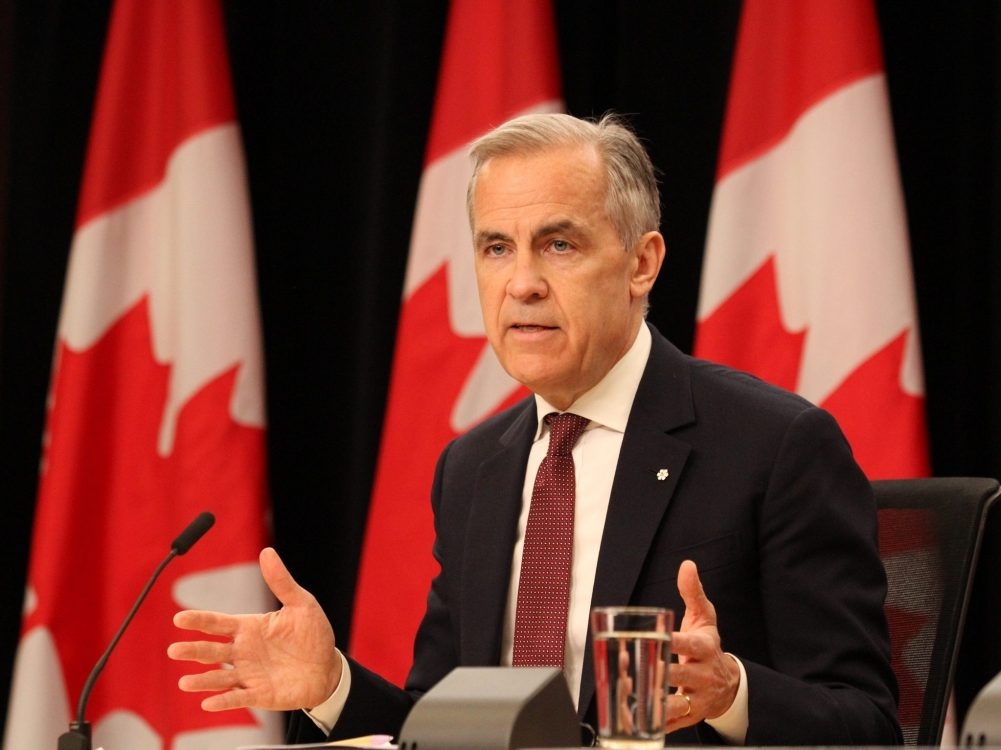
This pattern resurfaced recently, this time concerning the response to attacks on the Iranian regime. Carney initially delivered a strong statement, unequivocally supporting the United States’ actions to prevent Iran from acquiring nuclear weapons and destabilizing the region. It was a decisive stance, rooted in a clear assessment of the threat.
However, that firm position quickly began to erode. Carney started to distance himself from the initial statement, questioning the legality of the strikes. He asserted that the actions appeared “inconsistent with international law,” a qualification that implied Canada could not have participated, even if asked. A shift in tone, a retreat from a previously held conviction.
He had already articulated the gravity of the Iranian regime, detailing its history of international law violations and its direct responsibility for the deaths of Canadian citizens. He spoke of a decades-long pattern of terror and regional destabilization, a systemic failure of international containment. This was a regime he had already condemned.
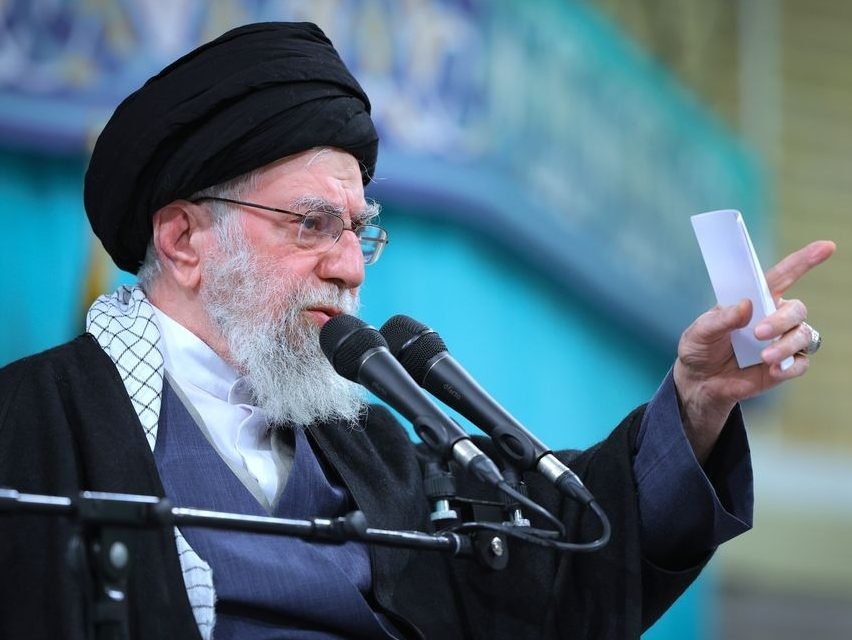
Yet, despite this clear condemnation, Carney felt compelled to introduce doubt, to label the strikes as unlawful. This move appeared to be a direct response to pressure from the left wing of his party, those advocating for a false equivalence between aggressor and defender. It was a concession to a narrative that lacked moral grounding.
The frustration stems from the fact that Carney’s initial instinct – the one displayed on Saturday and revisited during his press conference – was the correct one. He powerfully described the regime as the world’s leading exporter of terror, responsible for countless deaths and the brutal repression of its own people, particularly women.
True leadership, in that moment, would have involved forcefully making the moral case for confronting the regime. A bold articulation of the dangers posed by Iran could have rallied Canadians and solidified his position. Instead, Carney yielded, mirroring his actions from months prior, prioritizing the desires of his caucus over decisive action.
It’s a pattern of hesitation, a willingness to compromise principles in the face of internal pressure. A leader’s strength lies in charting a course based on conviction, not on navigating the shifting sands of political expediency. The question remains whether this pattern will define his leadership.