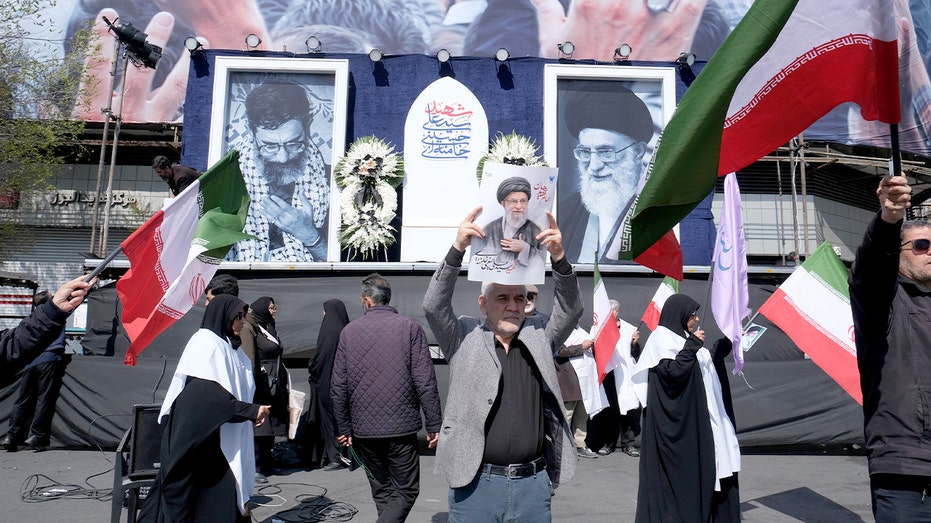
A planned national farewell for Ayatollah Ali Khamenei, the recently deceased supreme leader of Iran, has been unexpectedly postponed. The ceremony, intended as a grand tribute, was to begin Wednesday evening in Tehran’s Imam Khomeini Prayer Hall, a location prepared for an immense outpouring of grief and respect.
The decision to delay the three-day event followed a surge in anticipated attendance, overwhelming initial logistical preparations. Officials cited the need for expanded infrastructure and facilities to properly accommodate the expected crowds, acknowledging the widespread desire among citizens to participate in the mourning.
No further explanation for the postponement was offered, leaving the timing of a rescheduled ceremony uncertain. The scale of the anticipated mourning clearly presented significant challenges for Iranian authorities.
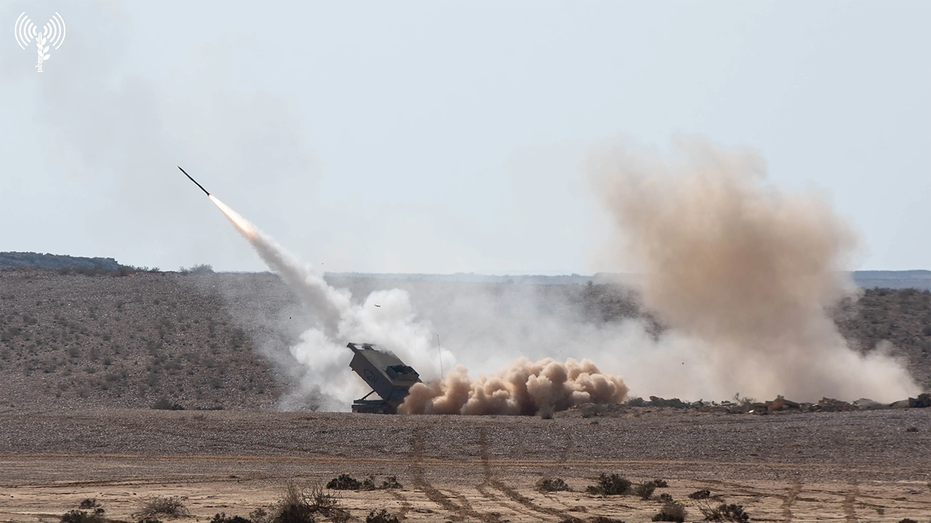
Meanwhile, a stark warning emerged from Israel’s Defense Minister, Israel Katz. He directly addressed potential successors to Khamenei, declaring that anyone continuing the policies of hostility towards Israel, the United States, and the broader region would face a similar fate.
Katz’s message was unambiguous: any new leader pursuing the same aggressive path would be considered a legitimate target. The statement underscored the high stakes surrounding the leadership transition in Iran and the potential for escalating tensions.
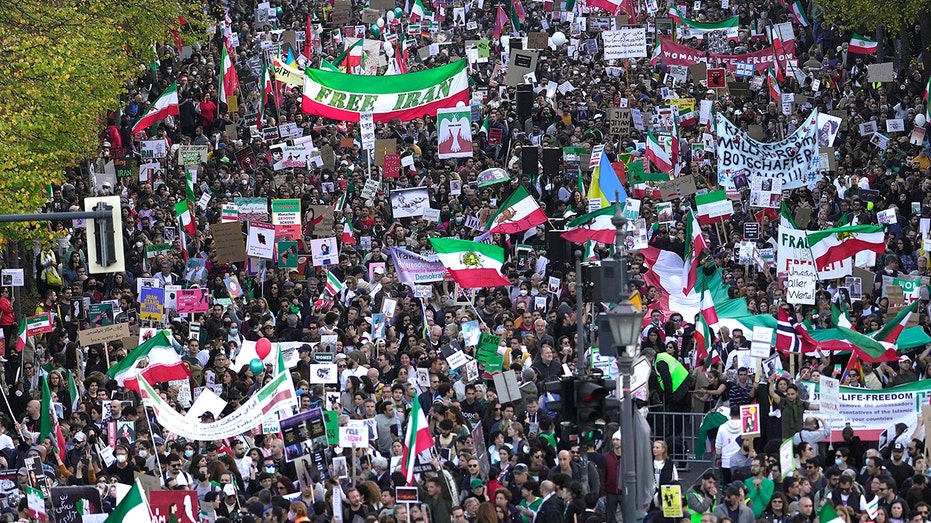
The prospect of massive public mourning evokes memories of the funeral of Ayatollah Ruhollah Khomeini, the founder of the Islamic Republic, in 1989. That event drew an astonishing ten million people – nearly a sixth of Iran’s population at the time – and remains documented as the largest funeral by percentage of national population in Guinness World Records.
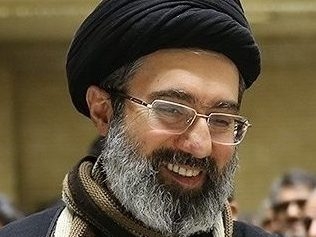
Khamenei’s passing now initiates a critical succession process, entrusted to Iran’s Assembly of Experts, a powerful clerical body. This council holds the responsibility of selecting the next supreme leader, a decision that will profoundly shape the nation’s future.
The Islamic Revolutionary Guard Corps (IRGC) is expected to wield considerable influence over this selection. As a key stakeholder, the IRGC’s priorities and preferences will undoubtedly play a significant role in determining who will ascend to the highest office in Iran.