Certain establishments pulse with the echoes of the 60s and 70s, drawing a devoted crowd captivated by the music of a bygone era. The vehicles parked nearby – often electric or upscale vans – hint at the tastes of those seeking a return to those vibrant times.
This yearning for the past isn’t confined to dimly lit bars. Musical theater has embraced nostalgia, launching productions built around beloved jukebox soundtracks, like stage adaptations of *Saturday Night Fever*. Bell-bottoms have even reappeared, accompanying energetic dances demanding space and a fluidity of movement.
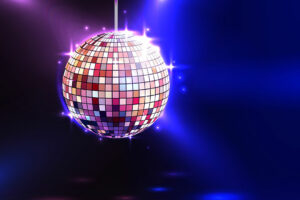
But who is truly drawn to these echoes? Is it solely those seeking to recapture lost youth, carefully avoiding a torn meniscus? Or can the infectious disco beat, reflected in a swirling mirrored ball, ignite a passion in a new generation?
Nostalgia, at its core, is a sentimental longing for the past, a selective remembering of happier times, often linked to the energy and freedom of youth. It’s a wistful glance backward, sometimes even imagining a graceful pirouette from someone who hasn’t danced in decades.
The very word “nostalgia” reveals a poignant duality, stemming from Greek roots meaning “homecoming” and “pain.” Originally, it described the profound homesickness experienced by those returning from war, like the heroes of Homer’s tales, often unrecognized even by those who once knew them.
Over time, “nostalgia” broadened to encompass a general yearning for “the good old days,” a sentiment unique to each generation. Alumni often view their school years as a golden age, a time of intellectual challenge unassisted by the ease of online research and artificial intelligence.
This longing fuels a market for products promising a return to youth – from hair restoration to cosmetic procedures and revitalizing exercises. While many products target younger demographics, nostalgic events cater to a specific audience connected by shared musical tastes and memories.
Nostalgia performers often operate with surprisingly modest budgets. Star power doesn’t demand exorbitant fees, sets are simple, and elaborate costumes are rare. These artists frequently hail from the same era as their audience, still capable of delivering a powerful performance.
Even with affordable tickets and intimate venues, these shows can quickly become profitable. Bands that peaked in the 80s continue to tour, even reaching overseas communities eager to relive their youth.
Increasingly, younger musicians are incorporating classic songs into their repertoire, appealing to the nostalgic crowd. Veteran performers often surround themselves with younger backing musicians, skillfully masking any vocal imperfections with harmonies and amplified sound.
Can we truly resurrect the past, even for a fleeting moment? Nostalgia resides in the mind, a form of selective hindsight. School reunions often reveal that past crushes now evoke amusement rather than desire – a wondering if a prom invitation ever stood a chance.
Nostalgia often carries a tinge of disappointment. The idealized version of youth rarely aligns with the realities of age and time. A ringing phone from a deceased classmate serves as a stark reminder of what’s been lost.
Yet, nostalgia’s power extends beyond entertainment, even influencing the political landscape. The narrative of a daughter continuing her father’s legacy, fueled by a desire for justice, can be incredibly compelling.
Marketing that taps into nostalgia faces its own hurdles. But the fundamental appeal remains: a desire to reconnect with cherished memories and simpler times. (Are you ready to feel that energy again?)