Philippine shares experienced a significant downturn on Wednesday, plummeting to the 6,300 level and mirroring a broader regional sell-off. The decline was fueled by escalating concerns over inflation, directly linked to the ongoing conflict in the Middle East and its impact on global oil prices.
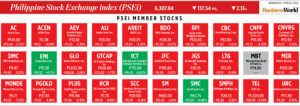
The Philippine Stock Exchange index (PSEi) closed at 6,307.84, a decrease of 2.13% or 137.54 points. The all shares index also suffered, falling by 2.02% to 3,485.62. This marked the lowest closing for the PSEi in a month, last seen at 6,297.08 on February 2nd.
Analysts pointed to the intensifying situation in the Middle East as the primary driver of investor anxiety. The potential for further disruption to oil supplies, and the resulting price increases, sparked fears of accelerating inflation and its broader economic consequences.
The downturn wasn't isolated to the Philippines. Across Asia, stock markets tumbled, with Seoul experiencing its largest market crash on record. Investors rapidly shed holdings, particularly in the chipmaking sector, anticipating an oil shock that could delay anticipated interest rate cuts.
The region’s heavy reliance on energy imports, many of which travel through the strategically vital Strait of Hormuz, amplified the concerns. While a temporary stabilization occurred following assurances regarding Gulf shipping and potential naval escorts, the underlying anxieties remained potent.
Every sector within the Philippine stock market experienced losses. Mining and oil suffered the most substantial decline, plummeting 6.37%, followed by financials, property, holding firms, industrials, and services, all registering significant drops.
The market’s breadth was overwhelmingly negative, with 179 stocks declining compared to only 35 advancing. International Container Terminal Services, Inc. was a rare bright spot, while DigiPlus Interactive Corp. led the losses, falling sharply.
Trading volume decreased slightly to P8.67 billion, with 4.5 billion shares traded. A shift in investor sentiment was also evident in the net foreign selling, reaching P1.31 billion – a reversal from the previous day’s net buying.
The market’s reaction underscores the sensitivity of regional economies to geopolitical events and their potential impact on energy prices. Investors are closely monitoring the situation in the Middle East, bracing for continued volatility and potential economic repercussions.