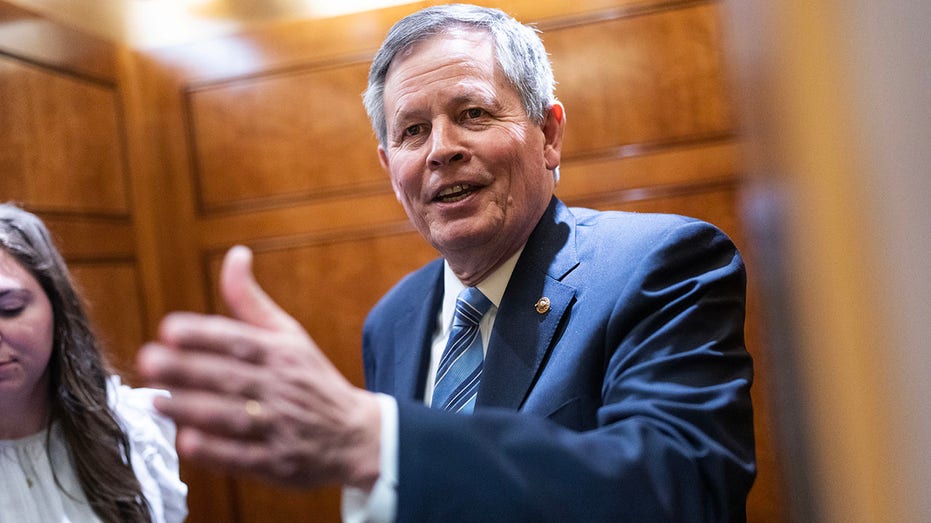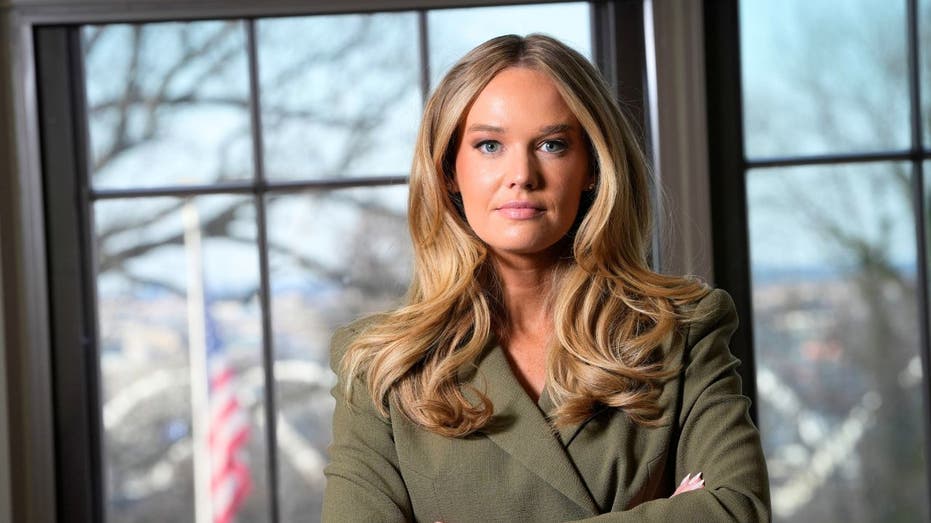
A shadow of suspicion fell over the Department of Homeland Security following a contentious Senate hearing, fueled by allegations of a lucrative connection between a former official and her husband’s firm. Senator John Kennedy ignited the debate, questioning Secretary Kristi Noem about a staggering $185 million advertising campaign and the role of The Strategy Group, led by Tricia McLaughlin’s husband, Benjamin Yoho.
Kennedy’s accusations centered on the speed with which Safe America Media, the primary contractor, was awarded the deal – just eleven days before the contract was finalized. He implied a deliberate funneling of funds, suggesting Yoho’s firm reaped the largest share of the massive expenditure, raising concerns about potential conflicts of interest and a lack of competitive bidding.
DHS officials vehemently denied any wrongdoing. James Percival, the agency’s General Counsel, insisted the allegations were “baseless,” claiming McLaughlin was not involved in subcontractor selection. He characterized her as a highly respected professional, suggesting her husband’s success naturally attracted business opportunities.
The core of the controversy revolved around the “Save America” campaign, a series of television and radio advertisements prominently featuring Secretary Noem. While the total ad spend reached approximately $185 million, a significant portion – $142 million – was allocated to “media buys,” the actual cost of airing the advertisements.
The Strategy Group itself responded to the accusations, posting a statement asserting they never held a direct contract with DHS. They confirmed receiving $226,137.17 as a subcontractor to Safe America Media for production services, including film shoots and video advertisements, firmly denying claims of millions in profit.
Adding another layer to the narrative, Lauren Bis, who succeeded McLaughlin, defended the campaign as the “most successful ad campaign in U.S. history.” She attributed a remarkable 2.2 million “self-deportations” and a more secure border to the campaign’s effectiveness, dismissing the scrutiny as politically motivated attacks.
DHS officials emphasized the agency’s limited control over contractor hiring practices, stating that by law, they cannot dictate who subcontractors employ. They highlighted McLaughlin’s proactive “recusal” from any interactions with subcontractors to avoid even the appearance of impropriety, a move intended to ensure transparency.
McLaughlin herself characterized the accusations as a deliberate attempt to manipulate the public, emphasizing the availability of all contract details for public review. She accused her critics of prioritizing personal attacks over factual investigation, defending the integrity of the process and her family’s business.
The debate underscores the intense scrutiny surrounding government spending and the challenges of maintaining public trust. While the facts remain contested, the allegations have sparked a wider conversation about transparency, accountability, and the potential for conflicts of interest within the Department of Homeland Security.