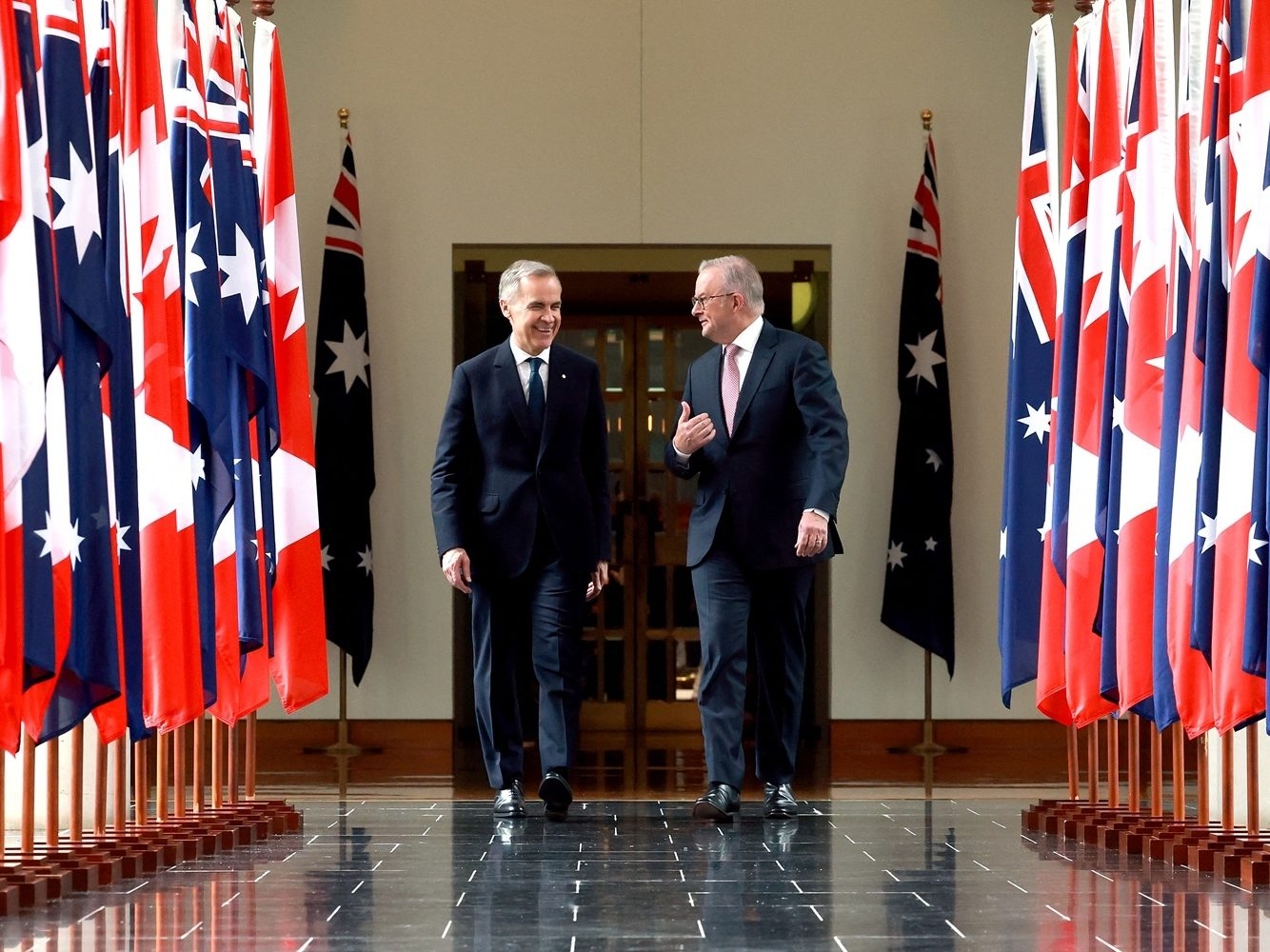
A quiet revolution is underway within the highest levels of Canada’s public service. Prime Minister Mark Carney has initiated a sweeping reorganization, his second major shuffle of deputy ministers in just three months, signaling a decisive shift in power and priorities.
The changes aren’t merely cosmetic; sixteen government organizations, including those responsible for foreign affairs and immigration, are experiencing new leadership. Notably, the Prime Minister is drawing talent directly from the private sector, specifically the world of high finance, adding another seasoned banker to the ranks.
Glenn Purves, formerly a global head of macroeconomics at BlackRock Investment Institute, is now Canada’s deputy minister of international trade. This appointment, following that of investment banker Mark Wiseman as ambassador to the United States, underscores a clear pattern – a deliberate infusion of financial expertise into the core of government.
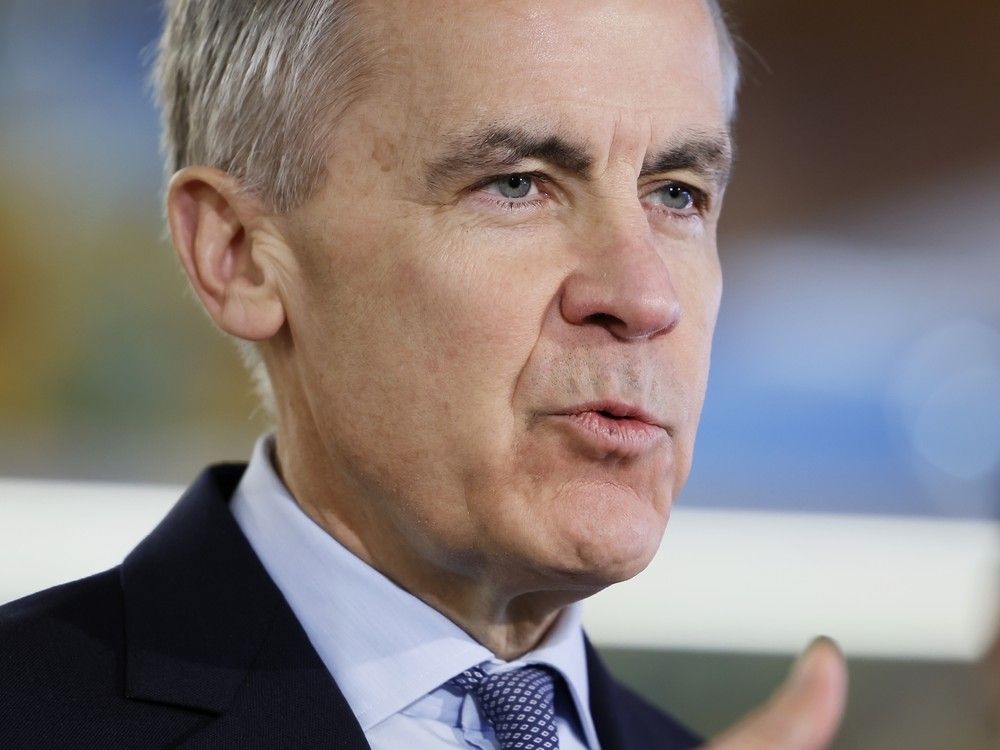
Political analysts are taking notice. Lori Turnbull, a professor of political science, observes that Carney is building a team distinctly focused on finance and investment, a skillset he clearly values. Purves’s relatively quick return to public service after a stint in the private sector is particularly unusual, suggesting a compelling call to duty.
This isn’t simply a reshuffling of personnel; it’s a reshaping of influence. Turnbull describes the recent moves as the “second half” of a larger overhaul, representing both change and continuity. The scale of departures, role changes, and new appointments marks a significant departure from the previous administration.
Former Clerk of the Privy Council, Michael Wernick, confirms this assessment. He states that Carney and Privy Council Clerk Michael Sabia have effectively assembled a team largely of their own choosing, molding the senior ranks to reflect their priorities and management style.
Those priorities appear to be sharply focused on international relations and attracting foreign investment. The appointment of Rob Stewart, previously the deputy minister of international trade, to oversee the creation of a new Financial Crimes Agency further illustrates this emphasis on economic security and global engagement.
The new agency, a commitment from a previous election platform, will tackle complex financial crimes like fraud and money laundering. Meanwhile, Canada’s “fentanyl czar,” Kevin Brosseau, is expanding his responsibilities to include national defence and leadership of the Canadian Coast Guard, demonstrating a broadening of his mandate.
While some key positions remain vacant – notably at Parks Canada and the Canada Revenue Agency – the stage is set for a period of intense scrutiny. These newly appointed public servants will soon face Parliamentarians, tasked with defending government spending and outlining their visions for the future.
The changes represent more than just new names in old roles. They signal a fundamental shift in the power dynamics within the Canadian government, a clear indication that the Carney era has truly begun, and a new team is in place to navigate a rapidly changing world.