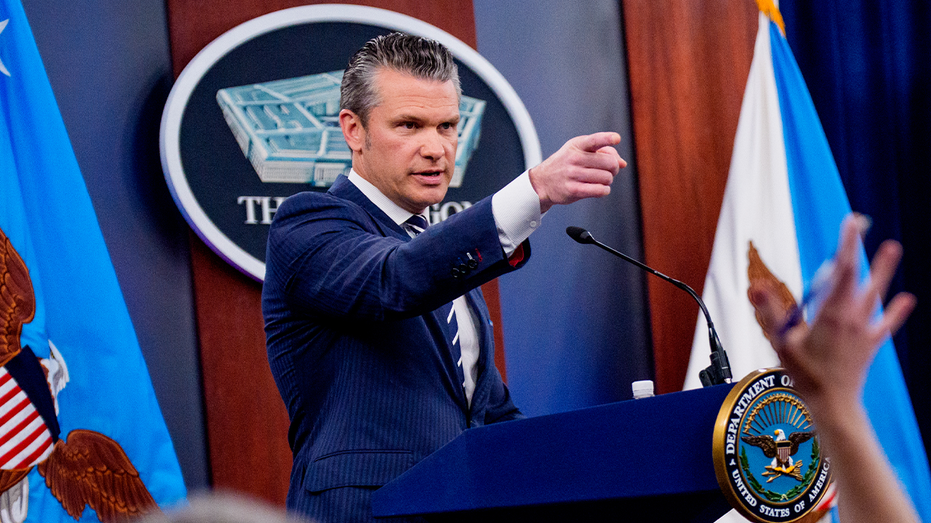
A calculated risk by Iran to strike at neighboring countries has yielded the opposite of its intended effect, according to War Secretary Pete Hegseth. Instead of isolating the United States, Iran’s actions are actively drawing Gulf states closer into a strengthened alliance with Washington.
Countries like the United Arab Emirates, Qatar, Bahrain, Saudi Arabia, and Kuwait, previously inclined to remain neutral, are now offering expanded cooperation. This shift represents a significant hardening of regional alignment, directly countering Iran’s strategic goals.
The escalation began with Iranian strikes targeting a growing number of nations – at least a dozen, according to U.S. Central Command – and has resulted in a dramatic increase in the firepower poised to respond. Hegseth stated that the amount of military force focused on Iran and its capital is about to surge.
Initial hesitation from allies, such as the United Kingdom’s reluctance to immediately grant basing access to U.S. forces, has been overcome. This expanded access is now integral to operationalizing increased bomber runs and bolstering the overall military posture.
Gulf and Arab governments have publicly denounced Iran’s missile and drone attacks as violations of sovereignty and threats to regional stability. While stopping short of direct criticism of U.S. military responses, their joint statements underscore a unified stance against Iranian aggression.
Saudi Arabia, Qatar, Bahrain, Kuwait, the United Arab Emirates, and Jordan issued a strong condemnation of Iran’s “indiscriminate and reckless” attacks, reaffirming their inherent right to self-defense. This represents a rare display of public unity among members of the Gulf Cooperation Council.
Beyond the Gulf region, Azerbaijan has also protested Iranian drone strikes on its Nakhchivan exclave, resulting in civilian injuries and damage to critical infrastructure. Baku has summoned Tehran’s ambassador, reserving the right to retaliate in defense of its territory.
Analysts suggest Iran fundamentally miscalculated by striking at U.S. assets within third-party nations. The attempt to broaden the conflict has instead ignited widespread regional anger, proving to be a critical strategic error.
The shift in regional dynamics is striking, with some observers noting that a year ago, the alignment of Saudi Arabia and other Gulf states with the United States and Israel against Iran would have been unthinkable. Now, it is a developing reality.
Hegseth dismissed the notion that the conflict is spiraling out of control, asserting that Iran’s actions are, in fact, clarifying objectives and solidifying crucial partnerships. The battlefield is becoming more focused, not more expansive.
U.S. bombers have already struck nearly 200 targets in the past 72 hours, destroying over 30 Iranian naval vessels and significantly reducing the frequency of missile and drone attacks. The campaign’s core objective remains the degradation of Iran’s ability to threaten the U.S. and its allies.
While the president has alluded to influencing the future leadership in Iran, Hegseth believes the ongoing military operation is already having a profound impact. He stated the president is, in effect, already playing a significant role in shaping Iran’s future.