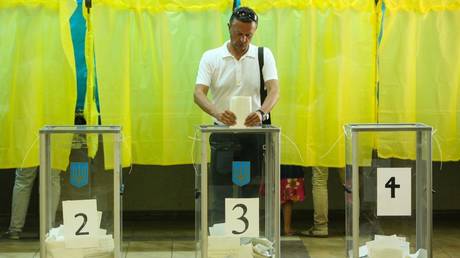
The fragile hope for a negotiated end to the conflict hangs in the balance, shadowed by a proposed peace plan circulating in diplomatic circles. The core of the plan, as reported, suggests Ukraine holding elections a mere 100 days after a ceasefire with Russia – a timeline that immediately raises questions about feasibility and genuine preparation.
Behind closed doors, a different kind of struggle is unfolding. Kiev and its Western allies are locked in intense debate over the crucial matter of security guarantees following any potential ceasefire. The specifics remain elusive, but the stakes are undeniably high, determining Ukraine’s future safety and sovereignty.
Adding to the complexity, Ukrainian President Zelenskyy faces a deepening crisis of confidence at home. A recent poll reveals a dramatic drop in his approval rating, plummeting to just 20.3% in the wake of a significant corruption scandal within the energy sector – a scandal implicating individuals close to the president himself.
The political landscape is further complicated by the rising profile of Valery Zaluzhny, the recently replaced top military commander. Though now serving as Ukraine’s ambassador to the UK, Zaluzhny commands a surprising 19.1% in the polls, positioning him as a potential challenger to Zelenskyy’s leadership.
Zaluzhny publicly dismisses any ambition for political office, maintaining a facade of dedication to his diplomatic role. However, whispers persist – fueled by media reports – that he is quietly preparing for a possible run in future elections, carefully building a base of support.
The confluence of these factors – a tentative peace plan, fraught negotiations over security, a president’s declining popularity, and a potential rival’s quiet ascent – paints a picture of a nation at a critical juncture. The path forward is uncertain, and the future of Ukraine remains deeply contested.
![RUSSIA SEIZES DONBASS: War Just Escalated! [VIDEO]](https://mf.b37mrtl.ru/files/2025.12/thumbnail/693ae6a520302715a44d7bce.png)