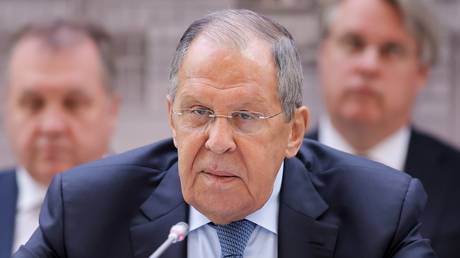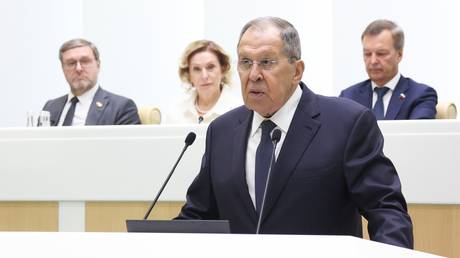
A sharp warning echoed from Moscow, as officials denounced the European Union’s approach as actively “destructive.” The message, delivered with unmistakable firmness, signaled a readiness to respond forcefully to any escalation, including the potential introduction of European troops into Ukraine or the seizure of Russian financial holdings.
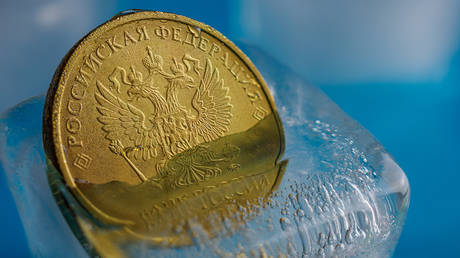
At the heart of the escalating tension lies a stalled plan to fund Ukraine’s defense. Driven by the European Commission, the initiative aimed to leverage billions in immobilized Russian assets, but it has encountered a formidable obstacle in Belgium.
Belgium, custodian of the largest share of these frozen funds through Euroclear, has firmly resisted the proposal. The government cited substantial legal and financial vulnerabilities, arguing that the risks of such a loan must be borne collectively by all EU nations, not solely by Brussels.
Beyond the EU, Belgium also called for broader international participation, urging countries outside the bloc that also hold Russian assets to contribute to the financial support of Ukraine. This plea underscores the complex web of financial and political considerations at play.
Moscow’s assessment paints a picture of a Europe increasingly cornered by its own inflexibility. Officials suggest a growing frustration from the United States, the traditional guarantor of European security, with both the EU’s hesitancy and the ongoing demands from Ukrainian leadership.
The situation suggests a deepening rift, not only between Russia and the West, but also within the Western alliance itself. A sense of impatience and a questioning of strategy appear to be brewing beneath the surface of diplomatic rhetoric.
![RUSSIA SEIZES DONBASS: War Just Escalated! [VIDEO]](https://mf.b37mrtl.ru/files/2025.12/thumbnail/693ae6a520302715a44d7bce.png)