A billion dollars. Perhaps two billion. That’s the estimated scale of a breathtaking fraud that has shaken Minnesota to its core, a scandal that former federal prosecutor Joe Teirab calls a “travesty” of taxpayer trust. It’s a story of astonishing ease, systemic failures, and a shocking disregard for the very people the funds were meant to help.
Teirab, who worked within the U.S. Attorney’s Office in Minneapolis and briefly investigated the central case, Feeding Our Future, paints a disturbing picture. The public, he believes, hasn’t begun to grasp the sheer audacity of the scheme. “I think you generally have a sense that your government is gonna be fighting for you,” he explained, “and that was absolutely not the case.”
The fraud centered around Feeding Our Future, a nonprofit accused of misappropriating $250 million in COVID-19 relief funds. But this was merely the most visible piece of a much larger, more insidious problem. Teirab asserts the entire system was designed to be exploited, allowing multiple organizations to siphon off over $2 billion.
What struck Teirab most profoundly was the simplicity of the deception. Fraudsters fabricated expense reports, creating false names and numbers in basic spreadsheets. “I could do that in five minutes on a computer if I had absolutely no conscience,” he stated, highlighting the glaring vulnerabilities within the system.
The intended process was straightforward: organizations like Feeding Our Future were meant to oversee food distribution sites, ensuring aid reached children in need. Instead, Teirab revealed, these organizations became complicit in a network of kickbacks, inflating numbers and claiming to feed thousands when, in reality, they served almost no one.
The perpetrators, largely within the Somali community, discovered the ease with which they could claim government reimbursement. Word spread quickly, and a casual coordination began, fueled by the promise of “free money.” Over seventy individuals now face indictment, but Teirab insists the blame extends far beyond those directly involved.
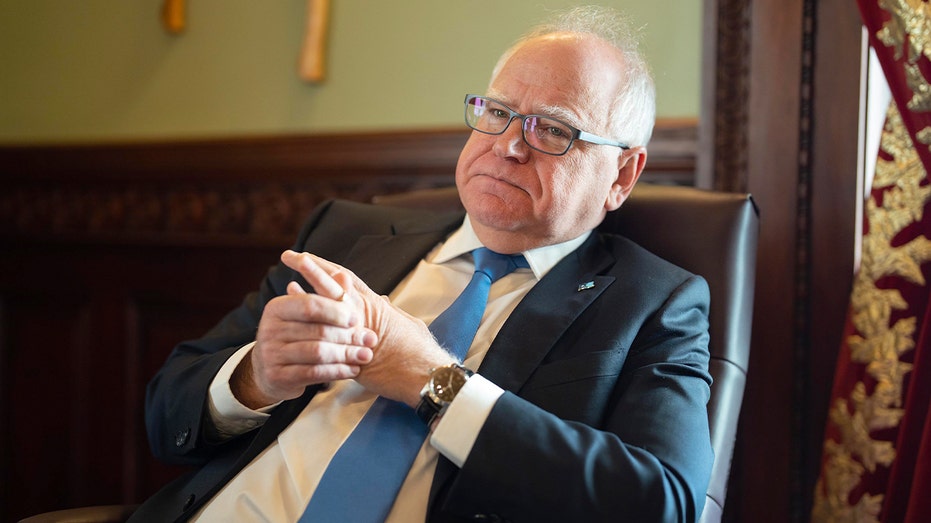
He points to Governor Tim Walz and Attorney General Keith Ellison, accusing them of inaction and even deliberate obfuscation. Walz, Teirab claims, failed to adequately oversee the departments responsible for distributing the funds. Ellison, he alleges, actively concealed knowledge of the fraud and misrepresented his efforts to address it.
While Walz’s office defends his record, citing new investigators, auditors, and a specialized fraud unit, Teirab dismisses these measures as insufficient and belated. He argues that the response has been consistently reactive, rather than proactive, and designed to minimize political fallout.
The scandal’s reach even extends to Representative Ilhan Omar, who Teirab claims was aware of the fraudulent activity and even held a political event at a restaurant central to the Feeding Our Future scheme. He believes a unified demand for accountability is crucial to prevent such a catastrophe from happening again.
This isn’t simply a story of stolen money; it’s a story of broken trust, systemic failure, and a profound betrayal of the public good. It’s a stark reminder that even the best-intentioned programs can be corrupted when oversight is lax and accountability is absent.