A political storm is brewing in Indiana, as former President Trump intensifies his campaign to reshape the state’s congressional map. The battle centers on a proposed redistricting plan designed to solidify Republican control, even as the party faces potential headwinds in the upcoming 2026 midterm elections.
The Indiana Senate is set to vote on a map that would dramatically alter the state’s political landscape, potentially eliminating the districts held by Democratic Representatives Frank Mrvan and Andre Carson. This move follows a recent Supreme Court decision allowing a similar redrawing of districts in Texas, adding fuel to a national effort led by Trump.
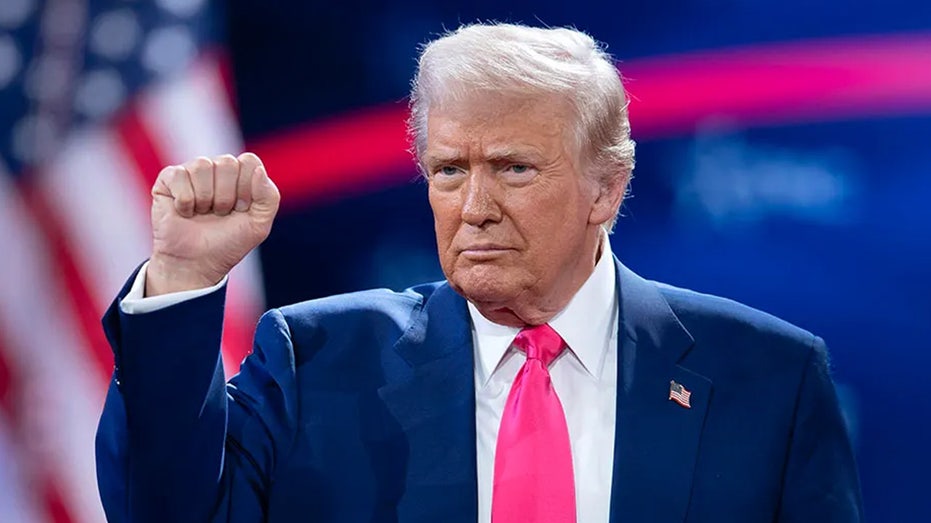
This isn’t simply about lines on a map; it’s a high-stakes test of Trump’s enduring influence within the Republican party. He has publicly demanded that Indiana maintain a strong GOP majority in the House of Representatives, framing the vote as critical to achieving that goal.
The push has met resistance from within the Indiana Senate, particularly from Senate Republican leader Rodric Bray. Bray initially expressed doubts about sufficient support for redistricting, leading to a direct and increasingly pointed rebuke from Trump. The former president warned of “primary problems” for any senator opposing his vision.
Under immense pressure, Bray reversed course and scheduled the vote, acknowledging the growing division within the state. Trump, however, hasn’t relented, continuing to publicly criticize Bray and naming those senators who hadn’t publicly declared their position, urging supporters to apply “encouragement.”
The rhetoric has escalated, with Trump labeling Bray “either a bad guy, or a very stupid one!” and vowing to actively campaign against him and others who defy his wishes in future primaries. This aggressive tactic underscores the lengths to which Trump is willing to go to achieve his desired outcome.
Beyond Trump’s direct involvement, a network of aligned organizations is amplifying the pressure. The Club for Growth Action and Turning Point Action are running advertisements and holding rallies, targeting Republican lawmakers who oppose the new map. The message is clear: fall in line or face consequences.
This push for mid-decade redistricting is a strategic maneuver, born from the experience of Trump’s first term. He witnessed Democrats reclaim the House in 2018 and is determined to prevent a similar reversal of fortune. Indiana is just the latest front in this nationwide effort, joining states like Texas, Missouri, North Carolina, and Ohio.
However, the strategy isn’t without its challenges. Court rulings in Texas initially blocked the use of its new map, and similar legal battles are anticipated elsewhere. Democrats are also responding, actively pursuing redistricting in states like California, Illinois, Maryland, and Virginia to counter the Republican efforts.
In California, voters recently approved a measure shifting map-drawing power back to the Democrat-controlled legislature, potentially creating five new Democratic-leaning districts. Meanwhile, in Missouri, opponents are gathering signatures for a referendum to challenge the new maps, and a Utah judge recently rejected a GOP-drawn map, opting for one that favors Democrats.
The fight over congressional districts is a complex and fiercely contested battle, reflecting the deep political polarization gripping the nation. As the Indiana Senate prepares to vote, the outcome will not only reshape the state’s political landscape but also serve as a crucial indicator of Trump’s continued power and the future of American elections.