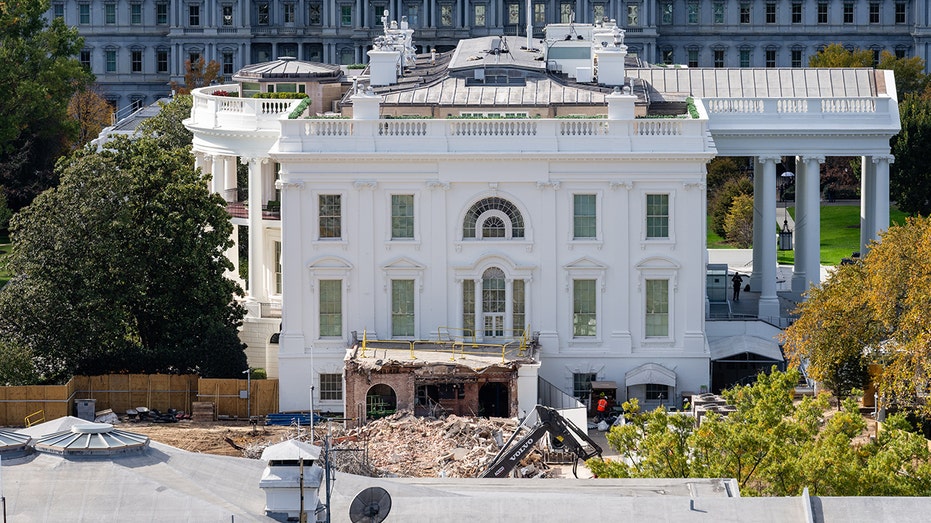
A battle is brewing over the very fabric of the White House. A historic preservation group has launched a legal challenge against the construction of a massive new ballroom commissioned by President Trump, igniting a debate about presidential power and the protection of national landmarks.
The National Trust for Historic Preservation filed suit Friday, alleging the Trump administration bypassed critical safeguards before demolishing a section of the East Wing to make way for the project. The lawsuit asserts that no president, past or present, has the right to unilaterally alter the White House without proper review and public input.
At the heart of the dispute lies the claim that mandatory reviews were skipped and congressional approval was never sought. The preservation group argues the public deserves a voice in decisions impacting such a significant national treasure, and that the current course of action is a direct violation of established legal precedent.
The planned ballroom, a sprawling 90,000-square-foot addition, is privately funded at an estimated cost of $300 million – a significant increase from the initial $200 million projection. Despite the private funding, the lawsuit contends the project fundamentally alters public property and requires stringent oversight.
Attorneys for the National Trust are demanding an immediate halt to construction. They seek a pause until comprehensive reviews are completed, ensuring compliance with federal laws like the Administrative Procedure Act and the National Environmental Policy Act.
The administration defends the project, asserting the President possesses full legal authority to modernize and renovate the White House, mirroring actions taken by previous administrations. This claim, however, is directly challenged by the lawsuit’s core argument regarding constitutional authority and public accountability.
The lawsuit goes further, alleging the administration deliberately circumvented the Constitution by acting unilaterally. It emphasizes that building or demolishing on federal grounds requires more than just presidential decree – it demands adherence to established legal processes.
The National Trust is requesting a federal judge to intervene, preventing further work until the necessary federal commissions review and approve the plans, an environmental impact study is conducted, and Congress formally authorizes the ballroom’s construction.
While the White House anticipates submitting plans to a federal planning commission before year’s end, the legal battle underscores a fundamental question: who ultimately decides the fate of America’s most iconic residence, and how much power should a single individual wield over its transformation?