A battle is brewing over the future of artificial intelligence, and New York State is at the epicenter. Assemblyman Alex Bores, championing stricter AI safety regulations, found his landmark bill dramatically rewritten, a move he attributes to intense pressure from the tech industry.
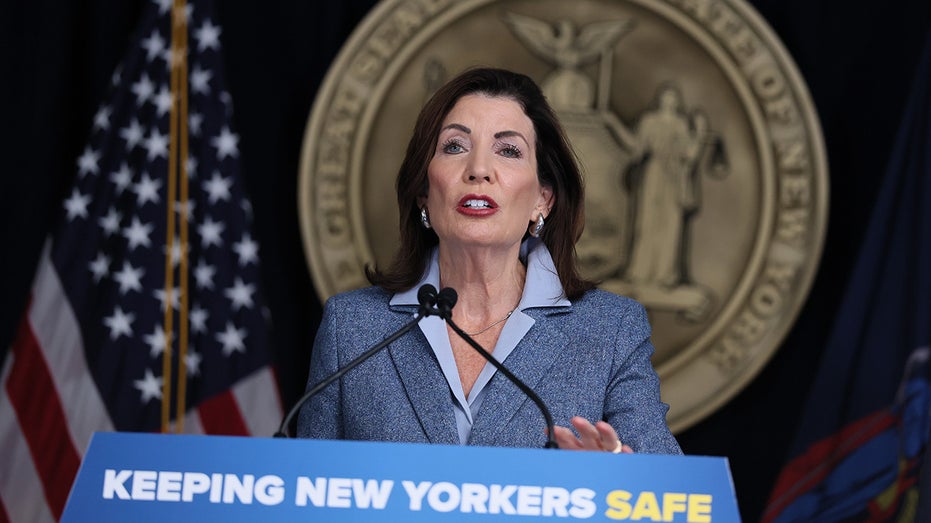
Just days before a federal executive order aimed to preempt state-level AI rules, Governor Kathy Hochul significantly weakened the RAISE Act, a bill designed to hold the largest AI developers accountable. The revisions mirrored a California law considered far more lenient towards major AI firms, raising questions about whose interests are truly being served.
Bores, currently running for Congress, alleges a staggering $100 million ad campaign, funded by AI giants like OpenAI’s Greg Brockman and Andreessen Horowitz, targeted him directly. He believes this wasn’t simply about defeating his candidacy, but a clear message to the governor – a warning against challenging the industry’s power.
Senator Andrew Gounardes, the Senate sponsor of the RAISE Act, voiced his frustration, framing the situation as a choice between leading on AI safety or succumbing to “Big Tech bullies.” He firmly declared his commitment to fighting for responsible AI development.
The original RAISE Act demanded rigorous safety protocols from leading AI developers. These included detailed safety and security plans, mandatory reporting of serious incidents within 72 hours, and a crucial prohibition on releasing potentially dangerous new AI models.
Governor Hochul’s revisions gutted these key provisions. The ban on risky AI model releases was removed, the reporting timeframe extended to 15 days, and penalties against AI companies were significantly weakened, effectively diminishing the bill’s impact.
Bores passionately argues that AI companies are attempting to seize control of safety, the workforce, and even our minds for profit. He sees a disturbing pattern of industry influence, claiming they’ve already “bought the White House” and are aggressively targeting state governments.
Some argue aligning with California’s standards could create a much-needed national framework, a point made by tech advocate Julie Samuels. However, critics contend this simply lowers the bar, prioritizing industry convenience over public safety.
Governor Hochul’s office defends the changes, citing a lack of federal leadership and emphasizing New York’s commitment to “common-sense laws” protecting citizens. They position their approach as a national model for responsible AI innovation.
Adding another layer to the complexity, former President Trump signed an executive order establishing a federal regulatory framework for AI, seemingly designed to override state-level efforts. He argued a centralized approval process is essential for the U.S. to win the global AI race, particularly against China.
Trump highlighted the challenge of navigating 50 different state regulations, a stark contrast to China’s centralized system. His administration estimates over 1,000 AI regulation bills are currently circulating in state legislatures nationwide, signaling a widespread concern about the technology’s potential impact.
The unfolding events in New York represent a pivotal moment. The struggle over the RAISE Act isn’t just about one bill; it’s a defining battle for the future of AI regulation, and the balance of power between innovation and public safety.