A chilling echo of the past reverberates through the halls of Parliament. Pierre Trudeau, decades ago, dismissed opposition MPs as “nobodies” beyond the parliamentary gates. Today, a similar fate threatens the Conservative party, as strategic defections quietly pave the way for a potentially unprecedented Liberal dynasty.
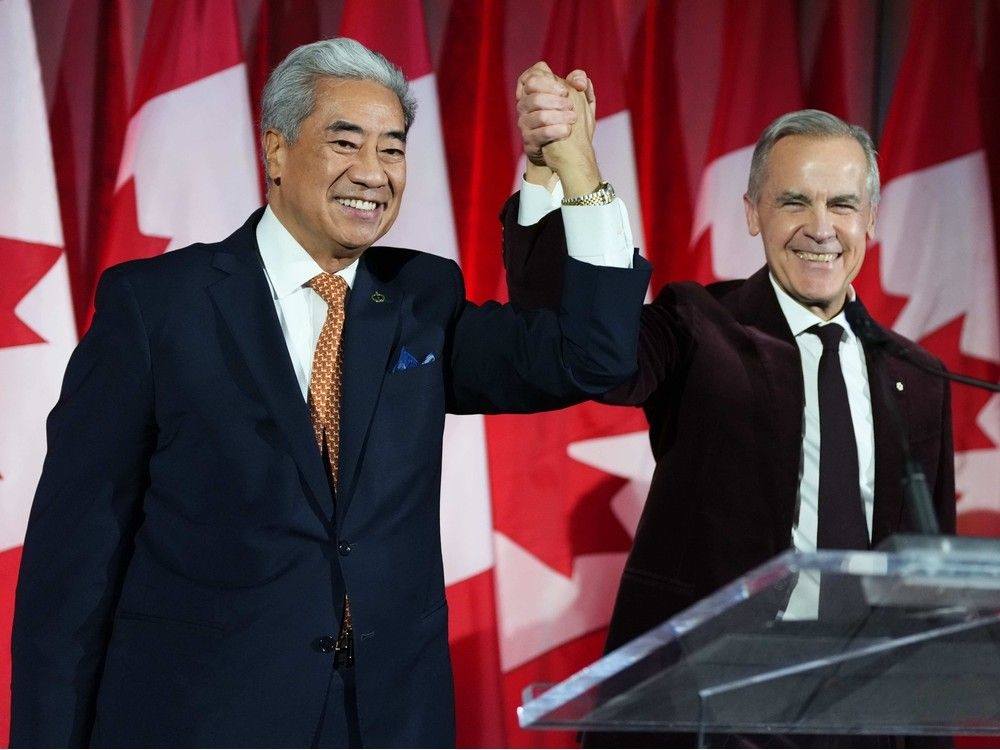
The shift began subtly, with Conservative MPs Michael Ma and Chris d’Entremont crossing the floor to join the Liberal ranks. These weren’t high-profile figures, yet their moves dramatically altered the political landscape, bringing the Liberals to within a single seat of a majority government.
Each defection was meticulously timed. D’Entremont’s move overshadowed Conservative criticism of the Liberal budget, while Ma’s arrival, just before the Christmas break, reignited whispers of internal turmoil within the Conservative caucus. The effect was a calculated disruption, a strategic weakening of the opposition.
Now, a palpable sense of anticipation hangs in the air. Every Conservative MP is scrutinized, every meeting analyzed, as the Liberals appear poised to secure a majority not through the ballot box, but through further defections. The possibility looms large: a Liberal government formed by those who once opposed it.
The Alberta riding of Edmonton-Riverbend presents another opportunity. With Conservative MP Matt Jeneroux’s impending resignation – fueled by speculation of a potential move to the Liberal party – a by-election could tip the scales. A victory for the Liberals would solidify their control.
Should this happen, Canada could witness an uninterrupted 14-year Liberal reign, stretching until at least 2029. This extended period of power wouldn’t be earned through electoral mandate, but rather through a series of calculated shifts in allegiance. The implications for the Conservative party are stark.
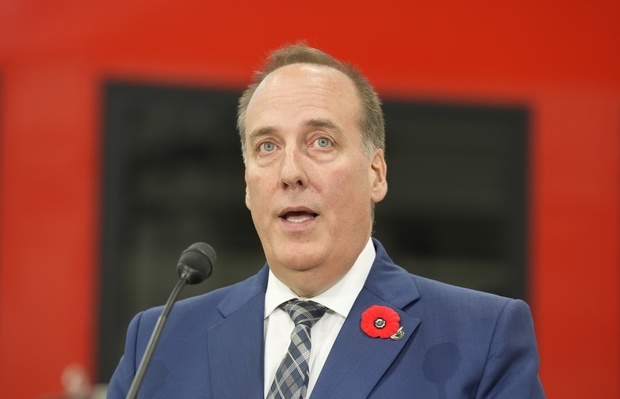
Prime Minister Mark Carney seems to understand the power dynamic at play, echoing Trudeau’s sentiment. He even stumbled over Ma’s riding name during a recent event, a seemingly minor slip-up that nonetheless underscored the Liberals’ confidence and the Conservatives’ diminished standing.
The story of Markham-Unionville, the riding Ma now represents, adds another layer of complexity. It’s a district haunted by controversy, where a former Liberal MP resigned after suggesting a Canadian activist should be handed over to Chinese authorities. The incident, initially met with a surprisingly lenient response from Carney, highlights a pattern of political maneuvering.
The Liberals now claim other Conservative MPs are considering a similar path, frustrated with their party’s leadership. The Conservatives, in turn, accuse Carney of operating like a “shady backroom deal-maker.” The accusations fly, but the underlying question remains: why wouldn’t a Prime Minister seize opportunities presented by those willing to abandon their voters?
The situation raises a fundamental question about the nature of political loyalty and the role of opposition. Are MPs merely representatives of their constituents, or are they players in a larger game of power and influence? The answer, it seems, is being written not in election manifestos, but in the quiet corridors of Parliament.