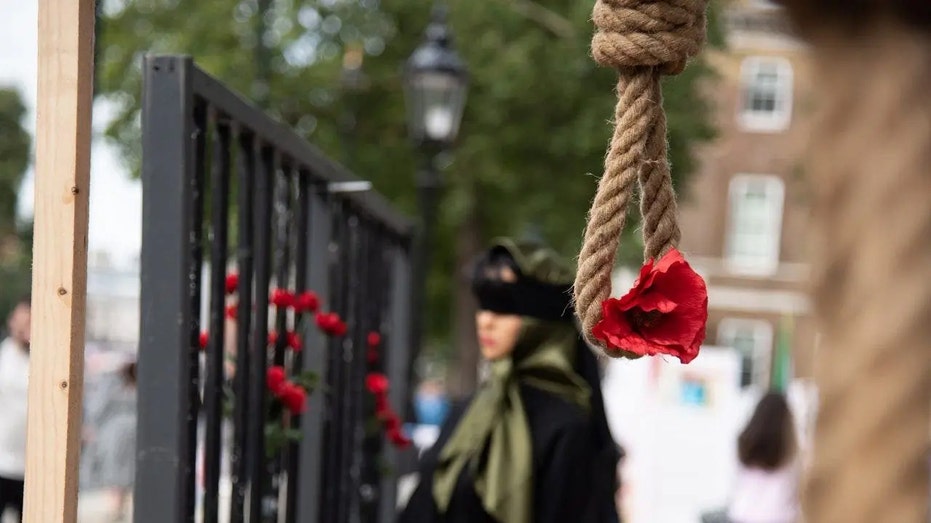
A chilling wave of state-sponsored violence is sweeping across Iran, as the nation faces a surge in executions unlike anything seen in decades. The United Nations recently issued a stark condemnation, but the true scale of the crisis is even more alarming than official reports suggest.
A leading dissident group has documented a staggering 2,013 executions carried out by the Iranian regime between January and mid-December of this year. This number dramatically eclipses the 975 executions tallied by the UN Deputy High Commissioner for Human Rights – already the highest figure recorded since 2015.
The escalating brutality isn’t occurring in a vacuum. Internal pressures are mounting within Iran, fueled by a collapsing currency, widespread protests, and intense power struggles. These factors, combined with renewed international sanctions, appear to be driving the regime’s desperate measures.
The United States has strongly denounced Iran’s actions, characterizing the use of execution as a blatant tool of political repression. Decades of systematic abuse – including torture, coerced confessions, and rigged trials – have culminated in a horrifying increase in unlawful killings.
Experts warn that current responses are insufficient. While some Western nations have begun to impose sanctions, the U.S. is urged to take more decisive action to support the Iranian people. The current approach is seen as a strategic misstep, failing to capitalize on opportunities for impactful change.
The regime’s crackdown extends far beyond executions. Following recent unrest, over 21,000 individuals were arrested, signaling an unprecedented level of political repression. Even seemingly lenient gestures, like easing hijab restrictions, are viewed as calculated attempts to maintain control.
Stories emerging from within Iran paint a harrowing picture of injustice. Zahra Tabari, a 67-year-old engineer and mother, received a death sentence after a mere ten-minute “trial” for holding a banner proclaiming “Woman, Resistance, Freedom.” Her case exemplifies the arbitrary and brutal nature of the regime’s justice system.
The number of executions has doubled since October, with reports indicating as many as nine prisoners were being put to death *daily*. This prompted a desperate act of defiance: death row prisoners launched a hunger strike, a testament to their unwavering spirit in the face of unimaginable terror.
The international community is increasingly calling for concrete action. The European Parliament, marking International Human Rights Day, demanded a halt to the executions and urged the placement of key regime figures on terrorist lists. The voices of dissent are growing louder, demanding accountability and justice.
The situation in Iran is a critical turning point. The regime, recognizing its own fragility, is resorting to increasingly desperate measures to silence opposition. The fate of countless Iranians hangs in the balance, demanding a swift and resolute response from the world.