Imagine a future where the bustling cities of Toronto and Montreal are connected not by hours of highway congestion or airport delays, but by a sleek, high-speed rail line. Internal documents reveal a vision of a dramatically transformed transportation corridor, poised to handle an unprecedented surge in train traffic.
If plans come to fruition, up to 72 passenger trains could traverse Canada’s most populated region each day. This isn’t a distant dream; it’s a carefully considered projection from the Crown corporation spearheading the project, now known as Alto. The goal? To shrink travel times, potentially whisking passengers between Montreal and Toronto in a mere three hours.
These ambitious plans weren’t born overnight. Draft briefings from 2023, more than a year before the project’s public announcement, demonstrate a thorough exploration of high-speed rail’s potential. Alto was already meticulously studying the feasibility and benefits, laying the groundwork for what’s now being hailed as a landmark infrastructure undertaking.
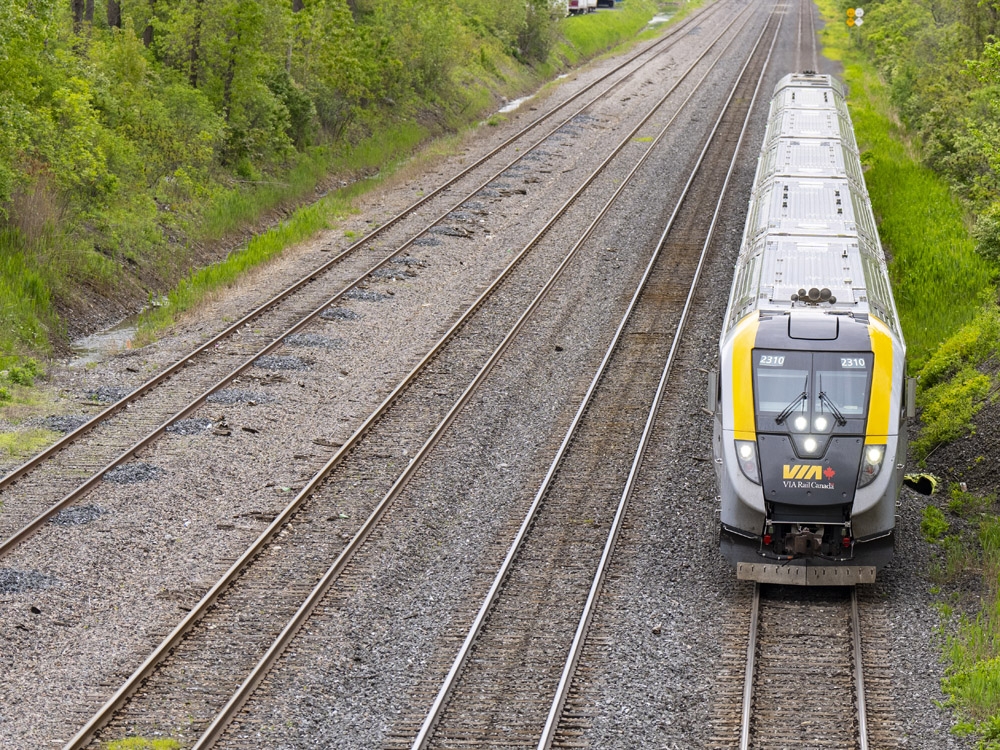
Currently, VIA Rail manages approximately 39 trains daily along the Quebec City-Toronto route. Alto envisions a significant leap forward, aiming for 20 to 30 trains a day in each direction between Toronto and Montreal – a substantial increase designed to offer frequent, potentially hourly, service, even escalating to departures every 30 minutes during peak times.
The project, estimated to cost between $60 billion and $90 billion, represents a bold shift in strategy. It’s a move away from earlier proposals for a more modest “high-frequency” network, embracing instead the allure of truly high-speed travel, with trains reaching speeds of up to 300 kilometers per hour on dedicated, electrified tracks.
The evolution of this project reflects a responsiveness to public sentiment. Concerns arose that a high-frequency system wouldn’t garner sufficient support, particularly in Quebec, where officials openly favored a high-speed network. This prompted a deeper dive into the potential of faster trains and the benefits they could deliver.
Early studies, completed in 2023, meticulously analyzed the costs, travel times, potential ridership, and revenue projections for a high-speed system. The results were compelling: by 2039, the corridor could accommodate 72 trains daily, a stark contrast to the 58 projected for the slower, high-frequency alternative by 2045.
Forecasts suggest a dramatic increase in passenger numbers. By 2059, a high-speed system could attract 26.5 million annual trips, dwarfing the 17.7 million anticipated with a high-frequency network, and leaving current VIA Rail services far behind at just 6.4 million trips.
Experts believe Alto is betting on attracting travelers from cars and planes, but also on creating entirely new demand. The appeal of convenient, fast rail travel could entice people to take trips they wouldn’t otherwise consider, opening up new possibilities for leisure and business.
However, predicting future travel patterns is complex. Factors like the emergence of autonomous vehicles and evolving competition could significantly impact ridership. The market context in 2030 and 2035 remains uncertain, adding a layer of challenge to these ambitious projections.
Despite these uncertainties, advocates are enthusiastic. They envision a rail line that unlocks a “vast amount of untapped demand,” allowing spontaneous weekend getaways and transforming regional connectivity. The potential to reshape travel habits and open up new experiences is immense.
Construction on the first segment, connecting Montreal and Ottawa, is slated to begin in 2029. As the project progresses, it promises to redefine travel across Eastern Canada, ushering in a new era of speed, convenience, and connectivity.