In the rugged landscape of eastern Oregon, a remarkable story is emerging from the earth. Excavations at a historic ranch have revealed compelling evidence of Chinese immigrants working as cowboys – a facet of the American West largely absent from traditional narratives.
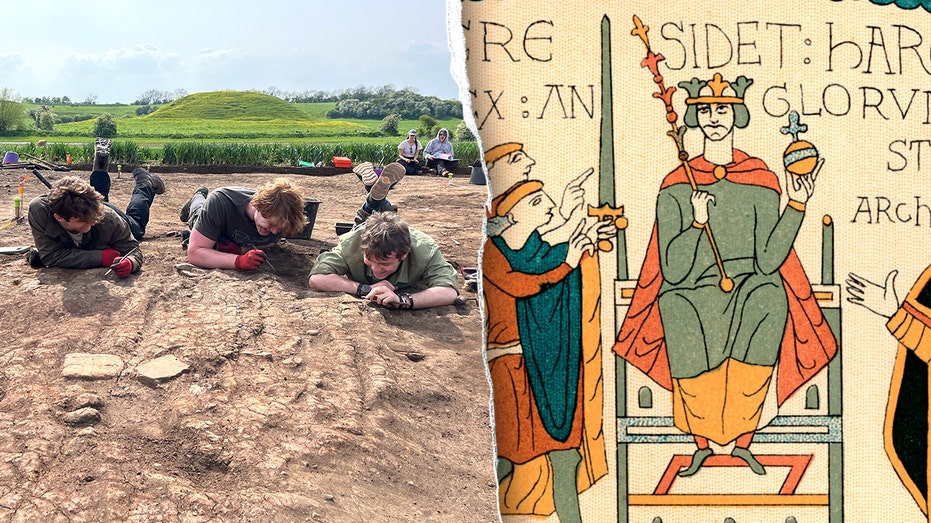
This summer, a collaborative team of archaeologists descended upon Stewart Ranch, a remarkably preserved site in Grant County. What began as a routine dig quickly transformed into something extraordinary, a “happy accident” as one archaeologist described it, due to the pristine condition of the ranch and the wealth of artifacts it held.
The team has already connected Chinese immigrants to over thirty ranches in the region, some long vanished, others still thriving under the same families for generations. Stewart Ranch, now public land, offered a unique window into the past, appearing almost untouched by time.
Among the discoveries were everyday objects – bullets, food scraps, broken dishes, and fragments of glass bottles. These remnants paint a vivid picture of life on the ranch, alongside more telling finds like buttons and jean rivets, potentially dating back to the early 20th century and the 1930s.
The remnants of meals proved particularly insightful. Historical records mentioned a cook renowned for his mutton, and the archaeological record confirmed this, revealing a significant number of sheep bones amongst the discarded food remains. It’s possible these were the leftovers from meals prepared by a Chinese cowboy named Jim Lee for his fellow ranch hands.
The experience of working at Stewart Ranch was described as stepping back in time. The buildings remain largely as they were when Chinese cowboys and cooks lived and worked there, offering an unparalleled sense of place and connection to the past.
Analyzing the artifacts is an ongoing process, meticulously piecing together a timeline and a deeper understanding of the lives lived on the ranch. Researchers acknowledge the complexity of interpreting the finds, noting that the men would have purchased goods from both Chinese and American stores, reflecting their individual preferences and economic circumstances.
This discovery isn’t isolated. Chinese immigrants first arrived in southern Oregon during the Gold Rush of 1850, initially comprising nearly 80% of the mining population. When the gold dwindled, they skillfully adapted, finding opportunities in the burgeoning sheep and cattle industries.
They weren’t simply laborers; they were buckaroos, ranch hands, sheepherders, cooks, and even ranch foremen. Evidence suggests at least two Chinese American men even owned and operated their own ranches. Their contributions were substantial, yet often overlooked.
Adding Chinese Americans to the historical record of Oregon’s ranching industry doesn’t diminish the contributions of others; it enriches the narrative, revealing a more complete and nuanced understanding of the past. It highlights the interactions and support systems that existed between diverse communities.
The team is already planning further excavations at other ranches, eager to uncover more evidence and expand this vital piece of Oregon’s history. It’s a chance to restore these individuals to their rightful place in the stories of the American West, a testament to their resilience and enduring legacy.
What makes this site so special is the ability to stand in the same landscape, experience the same views, and feel the same sense of place as those who lived and worked there a century ago – a rare and powerful connection to the past.