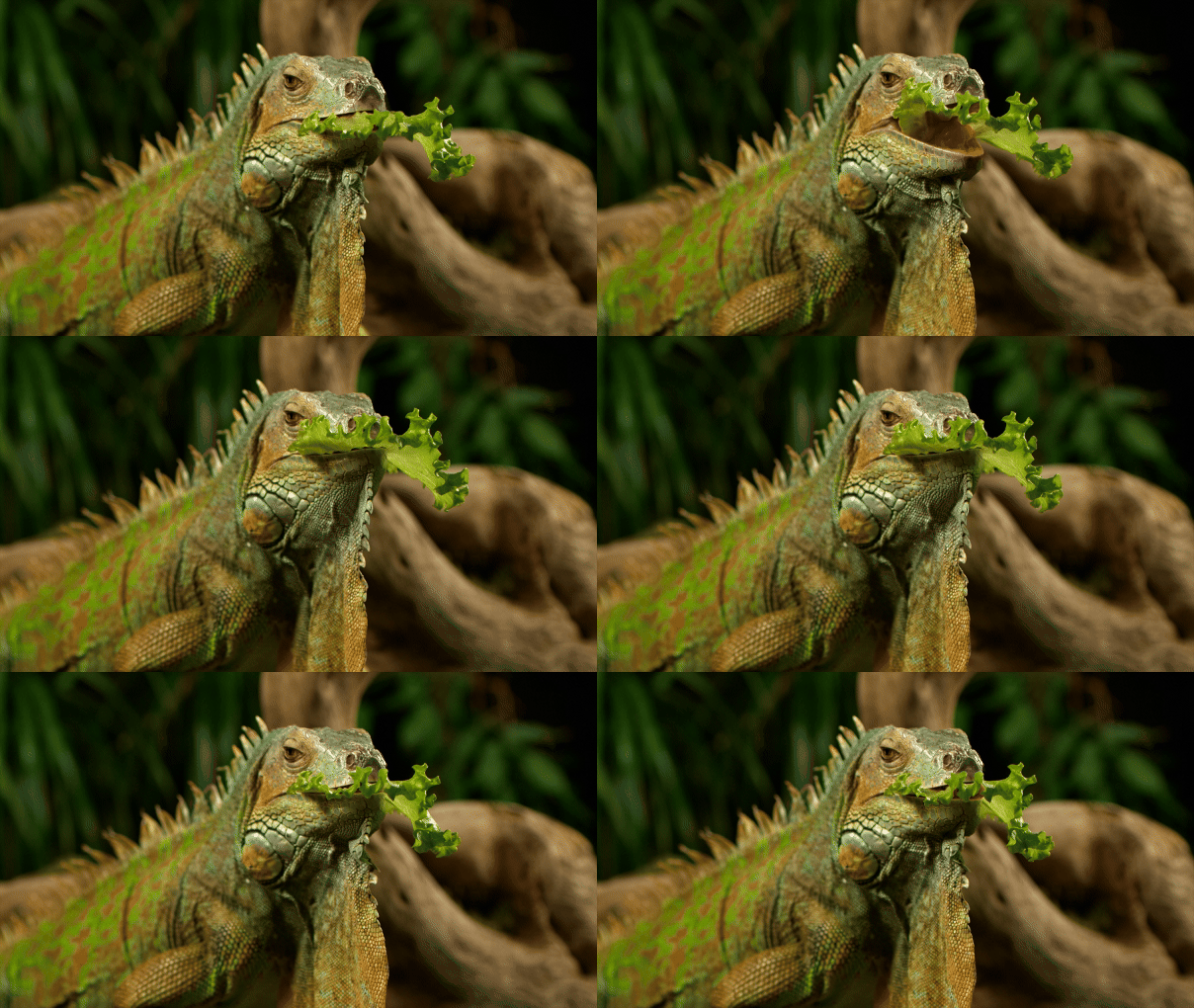
An unusual cold snap is gripping Florida, and with it comes a surprising opportunity for residents. The state’s wildlife agency has issued a temporary order allowing citizens to actively participate in controlling a growing invasive species: the green iguana.
Normally, removing iguanas from the wild requires a permit, but the recent freeze has created a unique situation. When temperatures plummet into the 40s and below, these cold-blooded reptiles become immobile, entering a state of paralysis known as torpor – essentially, they appear lifeless.
The Florida Fish and Wildlife Conservation Commission is encouraging people to collect these cold-stunned iguanas. Designated drop-off locations are available for a limited time, offering a chance to help manage the iguana population.
These iguanas, while seemingly harmless in their frozen state, pose a threat to Florida’s native ecosystems. They are known for damaging landscaping and competing with native wildlife, rapidly multiplying in the warm climate since their arrival in the 1960s.
Safety is paramount when handling these creatures, even when they appear incapacitated. The FWC advises wearing protective clothing – gloves, long sleeves, and pants – to guard against scratches.
Captured iguanas must be contained in breathable cloth sacks, then secured within a locked, labeled transport container. This double containment is crucial to prevent escapes, especially as the animals can recover quickly from their cold-induced state.
The agency stresses the importance of immediate transport to designated FWC offices. This minimizes the risk of the iguanas regaining mobility and potentially escaping into new areas, or even becoming a hazard within a vehicle.
While the FWC allows for humane euthanasia at the drop-off points, some iguanas may be transferred to permitted facilities for potential live animal sales. This offers another avenue for managing the population.
Experts warn against attempting to warm up a cold-stunned iguana at home. These reptiles can recover surprisingly fast and, when roused, can defend themselves with powerful tails, sharp teeth, and claws.
For some Floridians, the invasive iguana has even become a source of food. One angler and content creator has documented her experience hunting and cooking the reptiles, noting the tail and legs offer the most meat, best prepared in a slow-cooked stew.
This extraordinary event highlights the delicate balance of Florida’s ecosystem and the unexpected ways nature can present opportunities for intervention. The cold snap offers a rare chance to address the iguana issue, but it also serves as a reminder of the potential dangers these animals pose, even in their most vulnerable state.