The echoes of past tragedies resonated this week as news spread of a devastating collision that claimed the lives of three young hockey players from the Southern Alberta Mustangs. For those who have lived through similar loss, the pain is instantly rekindled, a stark reminder of fragility and the enduring power of community.
Bob Wilkie, a survivor of the 1986 Swift Current Broncos bus crash and founder of I Got Mind, understands this all too well. He explained that the connection to hockey amplifies the grief, tapping into a shared experience of family and dreams pursued on the ice. It’s a fear every parent harboring a child’s sporting ambition secretly carries.
Wilkie described a phenomenon known as secondary trauma – the way witnessing another’s pain can unlock our own unresolved grief. He emphasized the profound impact on teammates, coaches, and the entire community, noting how such events, while horrific, can unexpectedly forge deeper bonds between people.
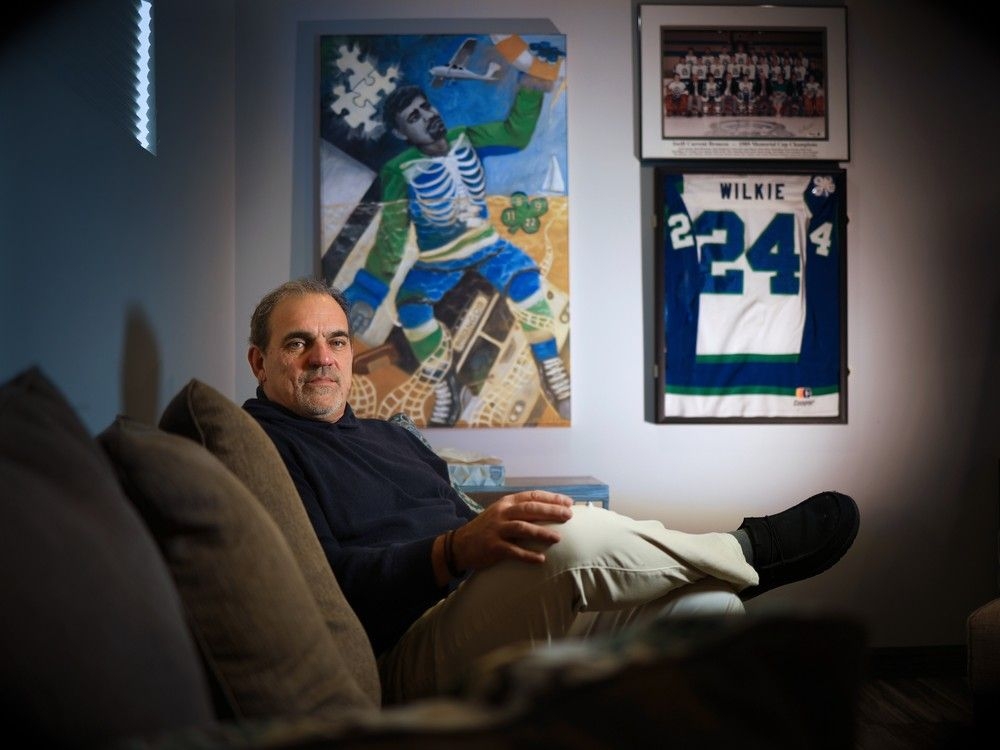
His own journey of recovery was chronicled in the documentary *Sideways — a Story of Tragedy and Triumph*. He believes that allowing oneself to grieve is crucial, a process that can lead to a renewed appreciation for life and the relationships we hold dear. Healing, he cautioned, takes time – often years – to integrate such loss into one’s personal narrative.
The outpouring of support is vital, Wilkie stressed, a testament to our innate compassion. He lamented that it often takes tragedy to remind us of our shared humanity, to set aside differences and offer solace. He wished that such unity and kindness were commonplace, not reserved for moments of crisis.
Wilkie’s message is a call to gratitude. To cherish the present, to express love freely, and to confront the regrets that often surface in the wake of sudden loss. He urges us to practice kindness daily, making life more meaningful for ourselves and those around us.
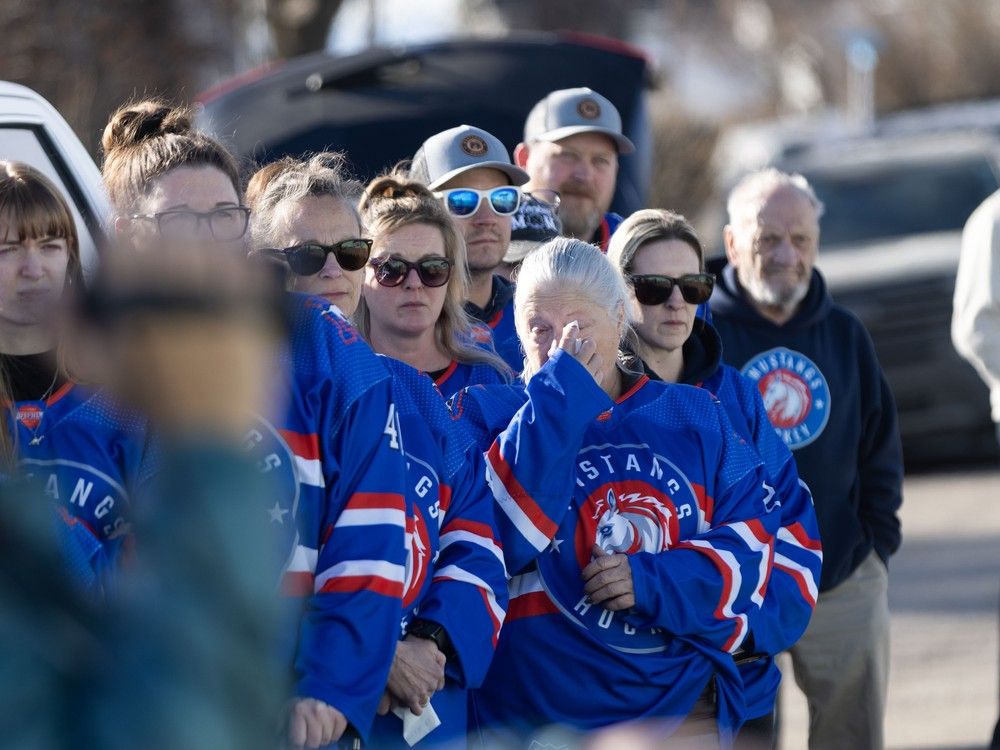
The Humboldt Broncos, intimately familiar with unimaginable loss from their 2018 bus crash, extended their deepest condolences to the Mustangs organization and the affected families. Their message was simple, yet profound: “We stand with you. We mourn with you. We are with you.”
Ryan Straschnitzki, a survivor of the Humboldt tragedy and founder of Straz Strong, echoed this sentiment. He spoke of the unbearable pain of imagining what the Mustangs’ families are experiencing, emphasizing the importance of unwavering support during this incredibly difficult time.
Straschnitzki recalled the powerful bond forged with teammates, describing them as brothers. He emphasized that the community’s support was instrumental in his own healing process, and he pledged to offer the same to the Mustangs, respecting their privacy while providing assistance in any way possible.
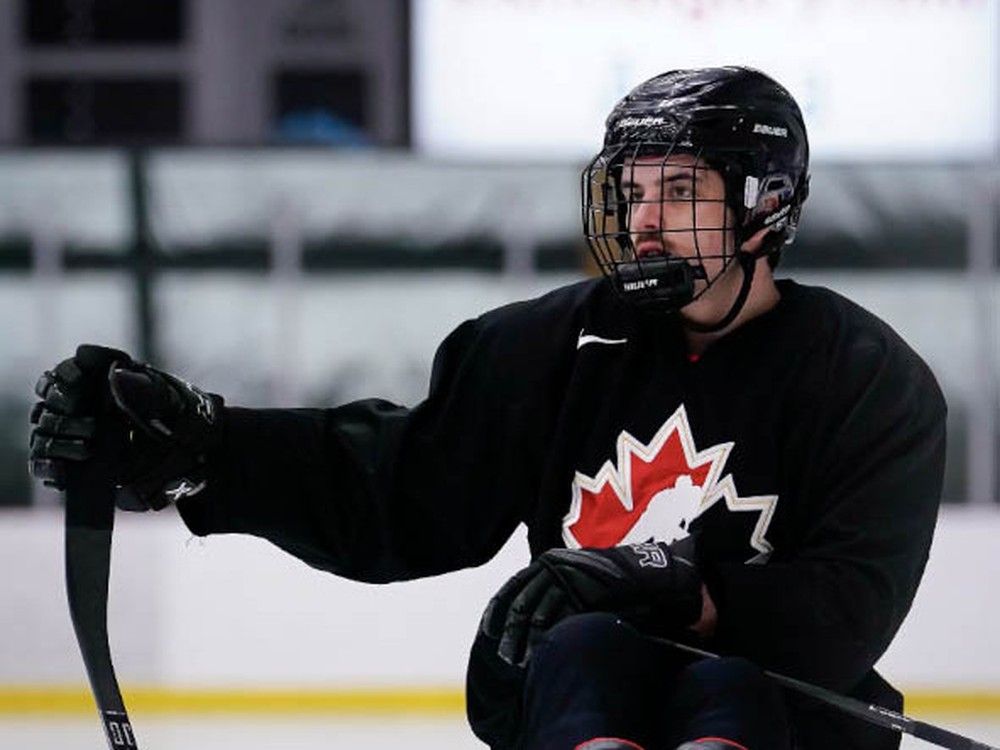
He highlighted the importance of collective action, whether through fundraising or simply being present for those who are grieving. Straschnitzki’s message to the Mustangs and their families was one of hope and solidarity: “Our entire community is there to support you.”
The tragedy serves as a poignant reminder of the preciousness of life and the enduring strength found in unity. It’s a call to remember those lost, to honor their memory, and to embrace the power of compassion in the face of unimaginable sorrow.