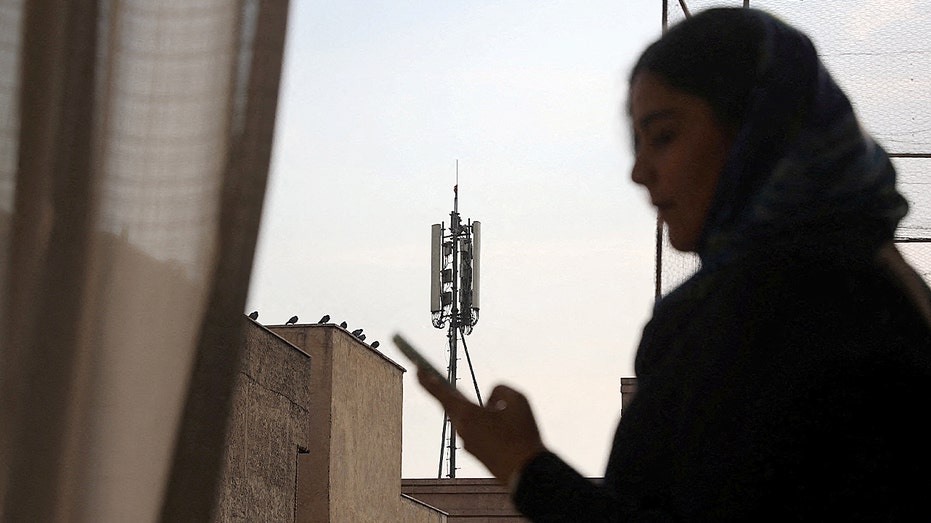
A nation’s digital lifeblood was abruptly severed in January, plunging Iran into an internet blackout with devastating economic consequences. The disruption, enacted amidst widespread protests, continues to inflict significant damage even after partial restoration of connectivity.
The cost is staggering: an estimated $1.56 million lost every single hour. This translates to a daily drain of $37.4 million from Iran’s already fragile economy, impacting the lives of over 90 million people.
Initial calculations reveal a total economic loss exceeding $780 million due to the complete internet shutdown. Even now, with limited access restored, the ongoing strict filtering continues to erode economic stability.
The economic impact isn’t simply theoretical. A sophisticated model, utilizing data from global financial institutions like the World Bank and the International Telecommunication Union, quantifies the direct losses to productivity, online transactions, and remote work.
By 2025, the disruption has already cost Iran an estimated $215 million. This figure underscores the critical role a free and open internet plays in modern economic function.
The blackout triggered a massive surge in demand for VPNs – a desperate scramble for digital survival. A 579% increase demonstrates the population’s determination to bypass state censorship.
Even when connectivity flickers back to life, it’s a shadow of its former self. The internet remains heavily censored, effectively unusable without tools designed to circumvent government restrictions.
Iranians are proactively stockpiling VPNs, anticipating further disruptions. This “cat-and-mouse game” sees users constantly switching between providers as the government blocks individual servers.
Even Iranian officials acknowledge the economic pain. The minister of information and communications technology admitted to daily losses of roughly 5,000 billion rials to the digital economy, and nearly 50 trillion rials to the broader economy.
While the initial three-week blackout may have ended, the situation remains far from normal. Access is restricted to a government-approved list of websites and applications, and the connection itself is notoriously unstable.
The story isn’t simply about lost revenue; it’s about a nation struggling to maintain access to information and participate in the global digital landscape. The ongoing restrictions represent a significant obstacle to economic recovery and individual freedom.