The investigation began with a simple trespass call at Western University – a fleeing suspect, campus security, and a routine request for police assistance. But what unfolded in the days that followed has escalated into a matter of national security, drawing in the RCMP and sparking a multi-city search.
London police initially responded to the university incident on January 24th, quickly leading to the arrest of one individual and the seizure of a firearm. This initial arrest, however, was merely the first thread pulled in a complex web that would soon stretch far beyond the university campus.
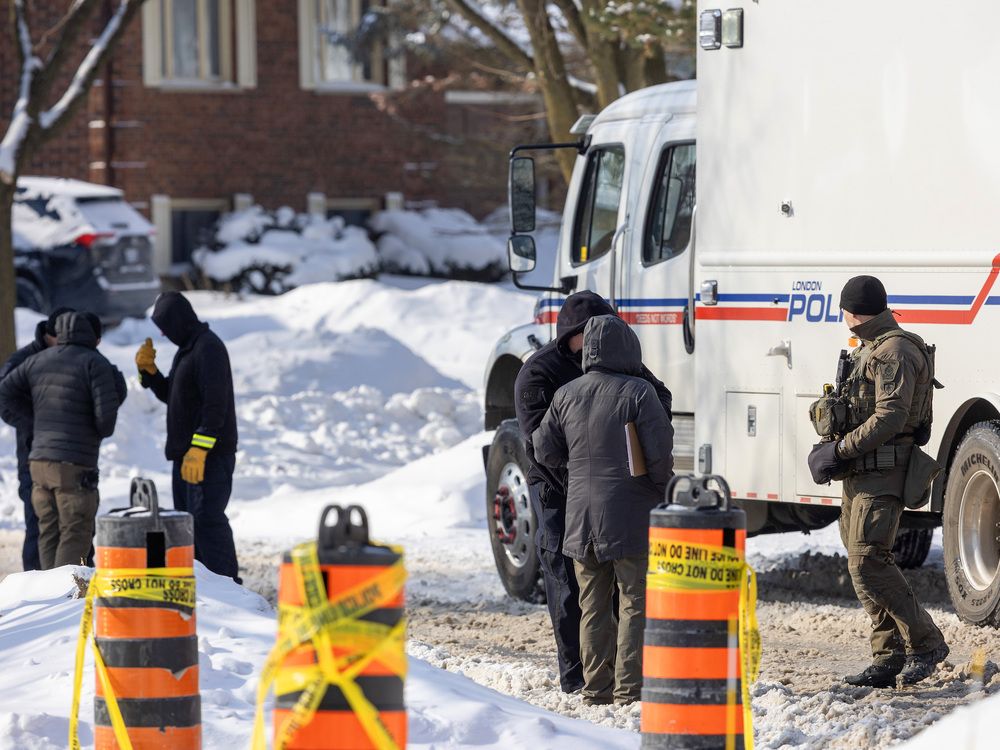
The trail led investigators to a home on Chesham Place, a quiet residential street. Inside, they discovered not just a residence, but a potential bomb-making facility – “numerous precursor substances and finished high explosives,” according to court documents. The discovery immediately triggered a hazardous materials response, involving firefighters, city workers, and the Ontario Provincial Police.
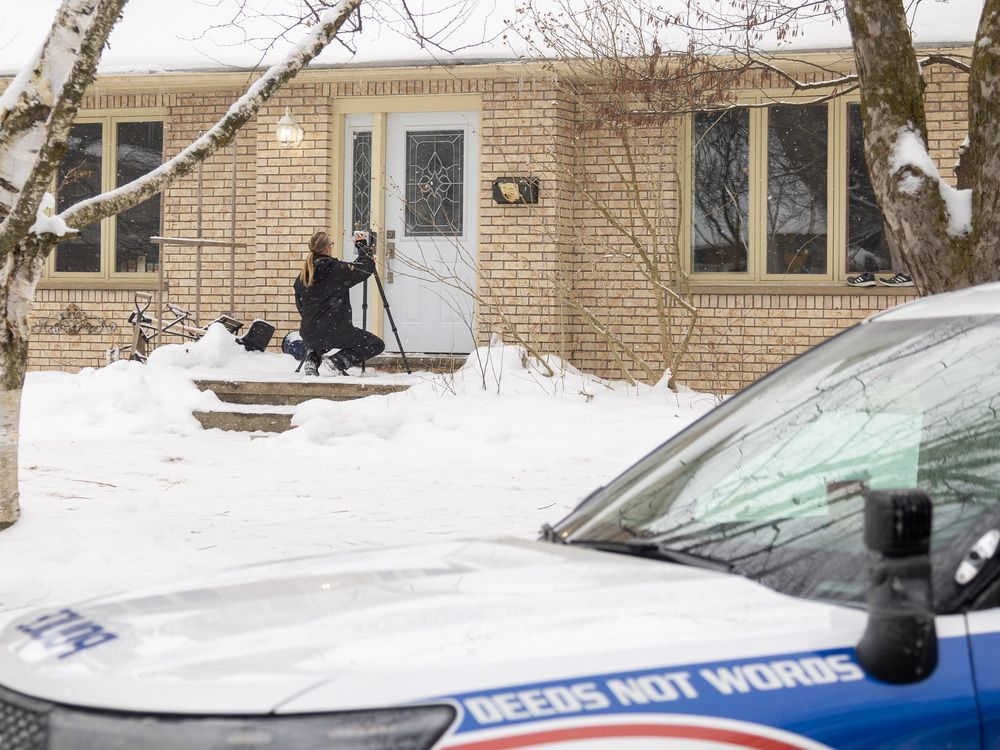
The RCMP’s Integrated National Security Enforcement Team was swiftly brought in, a clear indication of the gravity of the situation. This specialized unit doesn’t handle routine cases; their involvement signals a perceived threat to national security, a chilling possibility that quickly expanded the scope of the investigation.
While Canada’s spy agency, CSIS, remains tight-lipped about its role – protecting its methods and sources – its collaboration with the RCMP and local police is standard procedure in such cases. CSIS gathers intelligence, while the RCMP focuses on building a case for prosecution, a crucial distinction in navigating these sensitive investigations.
According to experts, the RCMP’s presence alone is a significant development. Former CSIS analyst Phil Gurski explains that municipal police forces typically lack the resources and mandate to handle national security threats, making the Mounties the natural lead in such scenarios.
Four individuals – Jerry Tong, Zekun Wang, Fei Han, and Feiyang Ji – now face a barrage of charges, including firearm offenses and unlawful possession of explosives. All four have requested Mandarin interpreters for their court appearances, adding another layer to the unfolding story.
The investigation didn’t stop at the Chesham Place residence. Searches were conducted in Ottawa and Gatineau, Quebec, revealing a network that extended beyond London, Ontario. The accused have ties to these cities, with one individual residing in Gatineau.
Connections to Western University are also emerging. LinkedIn profiles suggest at least two of the accused have links to the school, with one listed as part of the university’s rocketry engineering team and another as a recent graduate. The university is cooperating with authorities, but has not confirmed student status.

The scene at Chesham Place is now quiet. The decontamination showers, construction fences, and trailers have been removed, and evacuated residents have returned home. But the questions remain: What was the intended target? What was the ultimate goal? And how close did this alleged plot come to fruition?
As the investigation continues, the focus remains on unraveling the full extent of the alleged conspiracy and understanding the motivations behind it. The case serves as a stark reminder of the ever-present threats to national security and the complex work of those dedicated to protecting Canada.