The Jeffrey Epstein scandal isn't a case closing; it's a chilling descent into a murky abyss. A generation will grapple with its unanswered questions, much like the lingering mysteries surrounding John F. Kennedy’s assassination. It’s a story riddled with contradictions, whispers, and a disturbing lack of accountability.
Barry Levine, author of the definitive book on Epstein’s network, believes the U.S. Department of Justice is preparing to quietly close the book on the entire affair. Despite years of investigation and mounting public pressure, he foresees no further prosecutions, no new names brought to light – simply an ending that feels tragically incomplete.
Epstein wasn’t merely a wealthy financier; he was a predator who amassed power by exploiting and abusing vulnerable young women. He treated the rich, famous, and influential as playthings, and Ghislaine Maxwell, a disgraced socialite now imprisoned for her role in the trafficking scheme, was instrumental in enabling his horrific crimes.
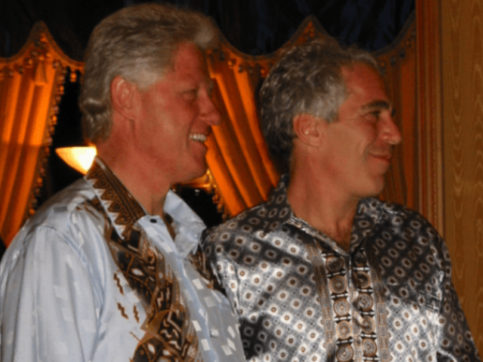
The release of Epstein-related documents sparked a frenzy, yet simply appearing in those files doesn’t equate to guilt. The names within reach the highest echelons of power, spanning both Democratic and Republican circles. Among them, Prince Andrew, now irrevocably tarnished by scandal, stands as a stark example of the fallout.
Recent photographs depicting Prince Andrew in compromising situations have only deepened the scrutiny. His former wife, Sarah Ferguson, admitted to accepting funds from Epstein, a decision she now labels a grave mistake. Levine points out the sheer recklessness of Andrew’s entanglement, a compromise that ultimately proved fatal to any chance of legal recourse following the death of his primary accuser, Virginia Giuffre.
Questions linger about why authorities didn’t intervene sooner. In 2010, when Andrew publicly attempted to distance himself from Epstein, photographed walking in Central Park, why wasn’t he questioned? Even officials from the British government have voiced their bewilderment at the missed opportunity.
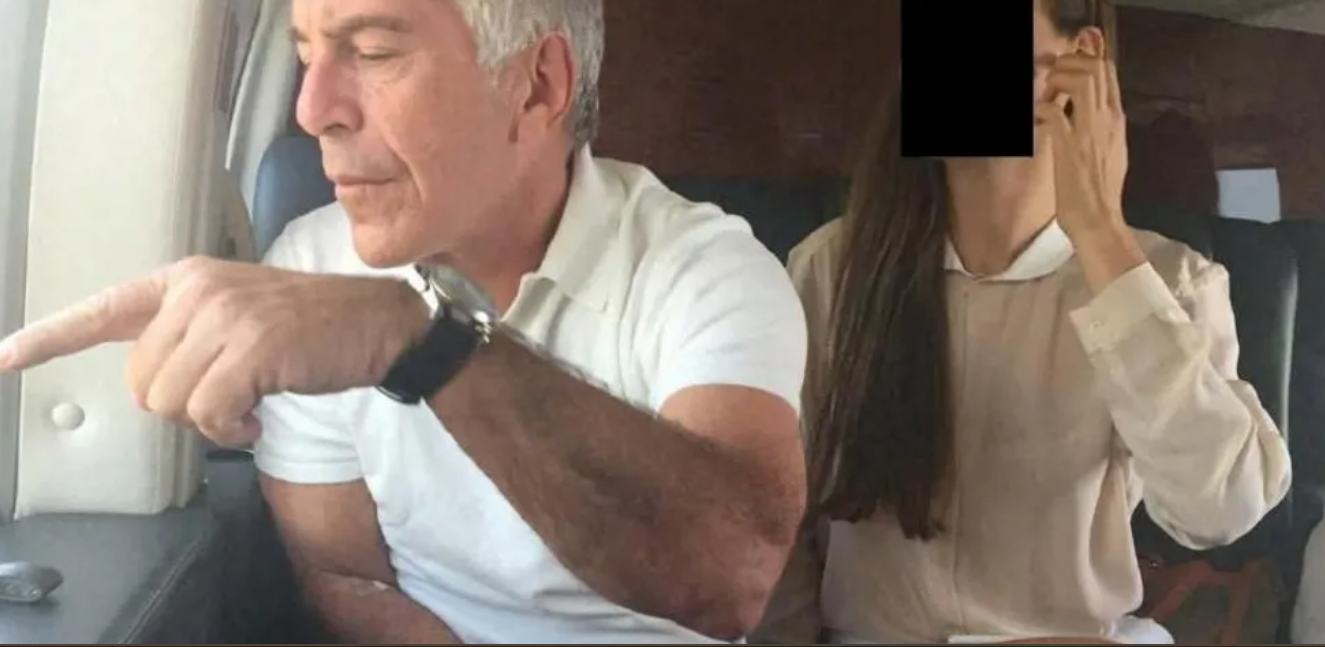
Epstein’s suicide in a Manhattan jail cell in 2019 halted a potential trial, but it didn’t erase the decades of abuse. New names continue to surface, including billionaire Richard Branson and U.S. Commerce Secretary Howard Lutnick, whose family reportedly planned a lunch with Epstein at his private island.
The stories emerging from Epstein’s island are harrowing. One young woman, terrified by her surroundings, attempted to swim to another island, only to be forcibly returned by Epstein’s security. These accounts paint a picture of unimaginable control and exploitation.
Even Bill Gates has been implicated, facing allegations of inappropriate behavior and associations. While he vehemently denies these claims, the mere mention of his name underscores the pervasive nature of Epstein’s influence. The question remains: did those who flew on Epstein’s plane, those who associated with him, remain oblivious to his true nature?
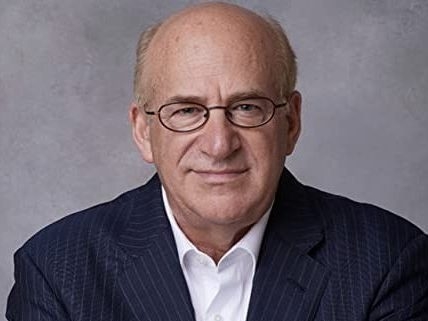
The final pages of the original indictment against Epstein remain sealed, adding another layer of secrecy to the case. The possibility of a pardon for Ghislaine Maxwell looms, and she herself has claimed that 25 powerful individuals made secret agreements with the Department of Justice. Unveiling those names, Levine suggests, would unleash a torrent of controversy.
Now, a disturbing new theory has emerged: that Epstein’s entire operation was a sophisticated honey trap orchestrated by Vladimir Putin to blackmail influential figures. While unconfirmed, this allegation adds another layer of complexity to an already convoluted narrative.
The Epstein case, Levine concludes, is destined to become a modern-day conspiracy theory, debated and dissected for decades to come. The truth may remain elusive, but one thing is certain: the wealthy and powerful will likely escape true accountability. The pursuit of justice, it seems, is over.