A sharp and unexpected rift has opened between the United States and Spain, triggered by escalating tensions over recent military actions and financial commitments. During a meeting with a German leader, the U.S. President delivered a blunt ultimatum: a complete severing of trade relations.
The threat came as a direct response to statements from Spanish officials refusing to allow American use of military bases within their borders for operations not sanctioned by the United Nations. Spain confirmed its bases played no role in the recent strikes targeting Iran, a position that clearly infuriated the American President.
The practical implications of such a trade cutoff remain complex. Spain operates within the economic framework of the European Union, meaning any unilateral American action would likely involve navigating a bloc of 27 nations. The President, however, asserted his authority to impose full embargoes independently, despite recent Supreme Court rulings limiting his tariff powers.
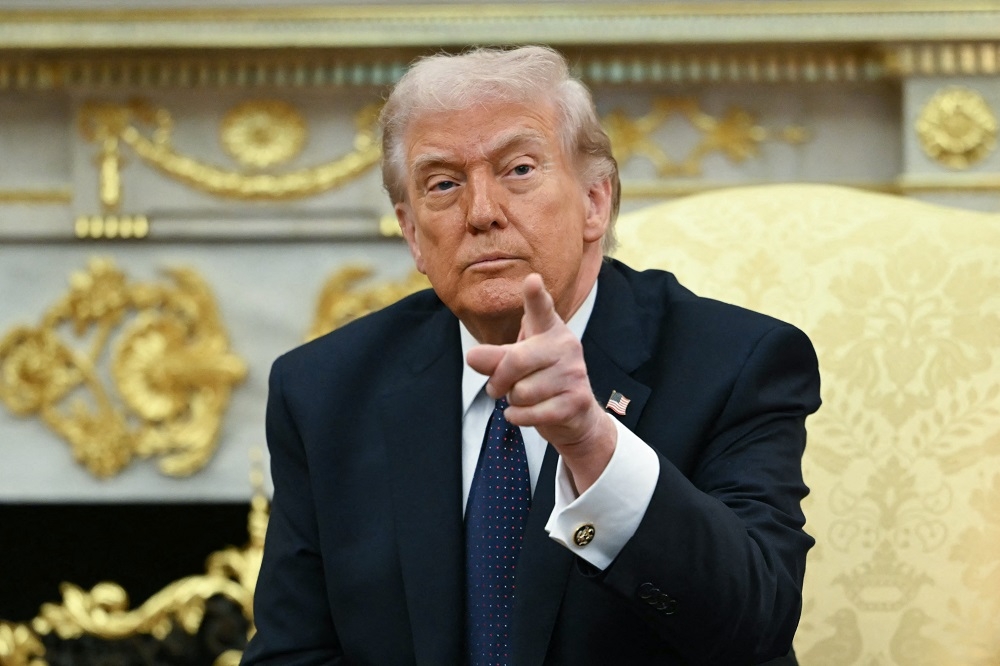
Beyond the issue of military cooperation, a long-standing dispute over NATO funding has resurfaced. The President repeatedly criticized Spain’s reluctance to increase its defense spending to 5% of its GDP, a target he believes is crucial for collective security. Spain argued it could meet its defense needs with a 2.1% contribution, a compromise the President dismissed.
Germany voiced support for the President’s position, emphasizing the importance of all NATO members fulfilling their financial obligations. However, Spain firmly defended its commitment to the alliance, asserting it already makes a “significant contribution” to European defense.
The President didn’t hold back in his assessment of Spanish leadership, stating the country possesses “great people, but…not great leadership.” This followed criticism from the Spanish Prime Minister regarding the U.S. and Israeli actions in Iran, which were labeled “unjustifiable” and “dangerous.”
This isn’t an isolated incident. Spain has been a vocal critic of U.S. policy in other areas, notably expressing strong opposition to Israel’s actions in Gaza. The current escalation represents a significant downturn in relations between the two nations.
The President also expressed dissatisfaction with the United Kingdom’s response to the Iranian strikes, pointedly contrasting the current British Prime Minister with the iconic wartime leader Winston Churchill. While the U.K. permitted limited use of its air bases for defensive purposes, it refused broader participation in the offensive.
Frustration was evident in the President’s comments regarding logistical challenges, specifically the longer flight times resulting from the limited access to U.K. bases. He also reignited a dispute over the Chagos Islands, criticizing the U.K.’s agreement to return the territory to Mauritius, a move that impacts the U.S. military presence at Diego Garcia.