A shadow has fallen over the nation’s finances. The government’s budget deficit has surged past projected limits for 2025, a stark warning sign of underlying economic strain.
The core of the problem lies with revenue collection. Key tax agencies failed to meet their targets, leaving a significant shortfall in anticipated income.
Compounding this issue, government spending unexpectedly slowed. This wasn’t a deliberate austerity measure, but a consequence of a growing corruption scandal that brought projects to a standstill and instilled caution within departments.
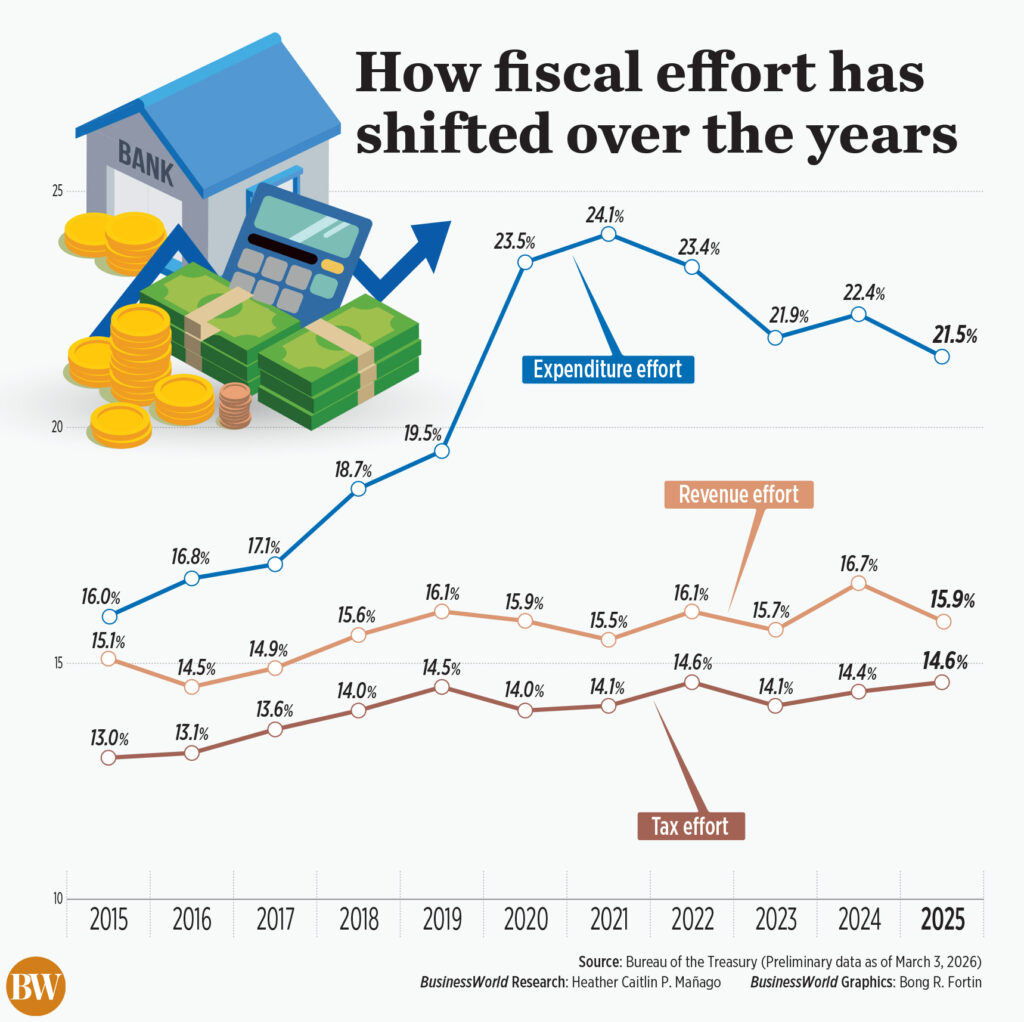
The Bureau of the Treasury delivered the unsettling news, painting a picture of a fiscal situation rapidly deteriorating from initial forecasts. This breach of the deficit ceiling signals potential challenges ahead for economic stability and future investment.
The slowdown in spending, directly linked to the unfolding scandal, reveals a deeper crisis of trust and efficiency within the government’s operations. It’s a clear indication that the pursuit of funds isn’t the only obstacle; responsible and transparent allocation is equally vital.
This financial imbalance demands immediate attention and a comprehensive reassessment of both revenue strategies and expenditure controls. The nation now faces the difficult task of restoring fiscal health while simultaneously addressing the root causes of the corruption that fueled this crisis.