A quiet revolution is unfolding in the Philippines, woven into the very fabric of national identity. A simple directive – a call for government employees to embrace Filipiniana attire one day a week – has ignited a remarkable surge in demand for traditional clothing, breathing new life into a struggling sector.
For Sassy’s Creation, a small Philippine startup, this shift wasn’t just welcome; it was transformative. Owner Joy Rapsing recalls a time when piña tops, exquisite garments crafted from pineapple fibers, were reserved for special occasions, difficult to market in a modern world. The government mandate changed everything, turning a niche market into a vibrant opportunity.
Sales more than doubled, a testament to the growing appreciation for cultural heritage. However, this newfound success wasn’t without its challenges. A wave of online retailers offering cheaper, lower-quality imitations emerged, creating a competitive landscape where authenticity and craftsmanship were at stake.
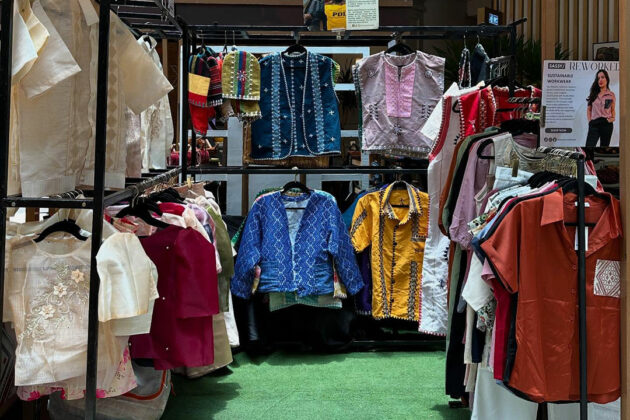
Sassy’s Creation stands apart by its unwavering commitment to quality and ethical production. They utilize indigenous handloom fabrics – pineapple, jusi, and cocoon – ensuring each piece embodies the rich traditions of the Philippines. Beyond the beauty of the materials, a powerful ethos of sustainability drives their work.
Scrap fabrics aren’t discarded; they’re reborn as elegant boleros, a tangible expression of their dedication to responsible fashion. But the impact extends far beyond environmental consciousness. Each garment is meticulously crafted by a network of skilled artisans.
These artisans are stay-at-home mothers, local weavers, and, remarkably, ten prisoners from the Bureau of Jail Management and Penology in Antipolo City. Sassy’s Creation isn’t just creating beautiful clothing; they’re fostering economic empowerment and offering opportunities for rehabilitation.
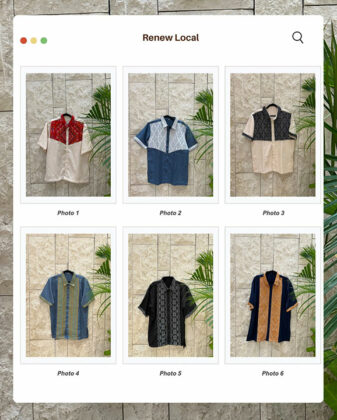
Ms. Rapsing emphasizes their commitment to fair labor practices, sourcing materials directly from manufacturers and ensuring equitable wages for all involved. This dedication to ethical sourcing resonates with a growing global consciousness.
The demand for these handcrafted textiles isn’t confined to the Philippines. International interest is soaring, with the United States accounting for nearly half of the country’s textile exports last year. This signals a global appreciation for the artistry and quality of Philippine craftsmanship.
Industry experts predict continued growth, forecasting a 2-5% increase in garment, textile, and apparel exports this year, potentially reaching $1 billion. This isn’t simply an economic trend; it’s a cultural renaissance, woven with threads of tradition, sustainability, and empowerment.
The story of Sassy’s Creation is a powerful illustration of how a single policy can ripple through an economy, revitalizing local businesses and celebrating a nation’s heritage. It’s a reminder that true value lies not just in the product, but in the hands that create it and the story it tells.