The story of light overcoming darkness is ancient, woven into the fabric of countless faiths. It speaks to the enduring human need for hope, for a belief in something better, a testament to perseverance in the face of adversity.
But what happens when that simple symbol of hope – of faith and resilience – is met with resistance? For one woman in a Toronto-area building, the answer is a painful struggle for recognition and respect.
Two years ago, she approached her condo board with a simple request: to display a small menorah in the lobby during Chanukah. A menorah, a candelabra with nine flames, representing a beacon of faith. A Christmas tree already graced the space, a symbol of another tradition.
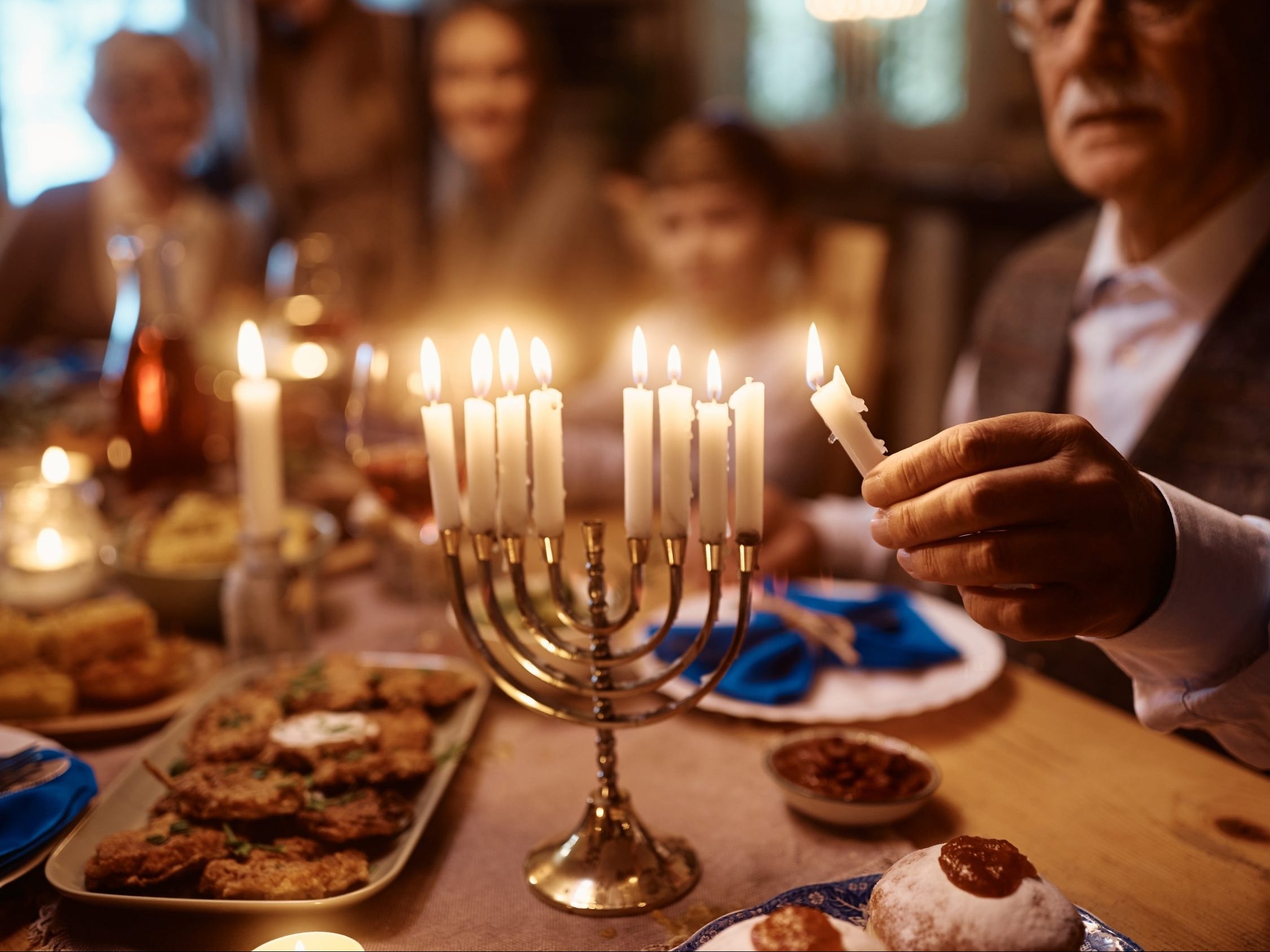
The board’s response was a stark “no.” This wasn’t a matter of space or aesthetics; it felt like a deliberate silencing. The woman’s request echoed the historical defiance of the Maccabees, who fought to preserve their faith against those who sought to extinguish it.
“Feeling like my identity as a Jewish woman was unwelcome in the building where I live – was devastating,” she confessed, the weight of the rejection palpable. Undeterred, she placed a menorah in the lobby anyway, only to be met with a demand for its removal, backed by a mysteriously unshared “directive.”
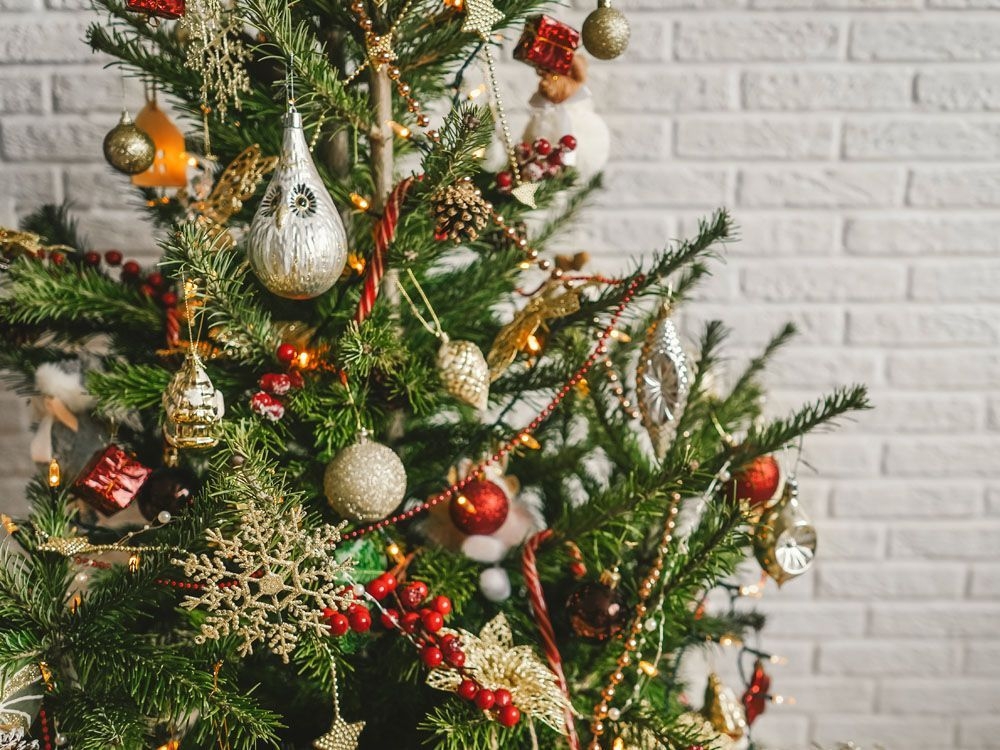
The situation escalated in 2024 with a blanket ban on all “religious” displays. Yet, this year, a startling reversal occurred. A Christmas tree was deemed permissible as a “cultural” expression, while the menorah remained categorized as “religious” and therefore prohibited.
This distinction felt like a final blow. In a world witnessing a disturbing rise in antisemitism – a resurgence of hatred not seen since the Holocaust – this felt like more than just a dispute over decorations. It was a stark reminder of the vulnerability and the need to stand firm.
“We’re living in a time of rising antisemitism… and moments like this remind me why it’s so important to speak up,” she declared, her voice filled with determination. “Chanukah is about pride and perseverance, and I refuse to let my identity be pushed aside.”
She is now taking her case to the Human Rights Tribunal of Ontario, supported by the Centre for Israel and Jewish Affairs (CIJA). The complaint argues that prioritizing one religious symbol over another constitutes direct discrimination, disproportionately impacting the Jewish community.
CIJA asserts the condo board failed to offer any legitimate justification for their decision, lacking transparency and refusing reasonable accommodation. They argue that in 2025, equal recognition shouldn’t be a battle, but a fundamental right.
The woman’s requests are modest yet profound: training for the condo board on handling such situations, a clear policy for holiday displays, a small measure of damages, and, most importantly, a menorah in the lobby – a symbol of hope, belonging, and the enduring power of faith.
It’s a fight for more than just a menorah; it’s a fight for dignity, for inclusion, and for a future where every identity is embraced and respected, not silenced or marginalized.