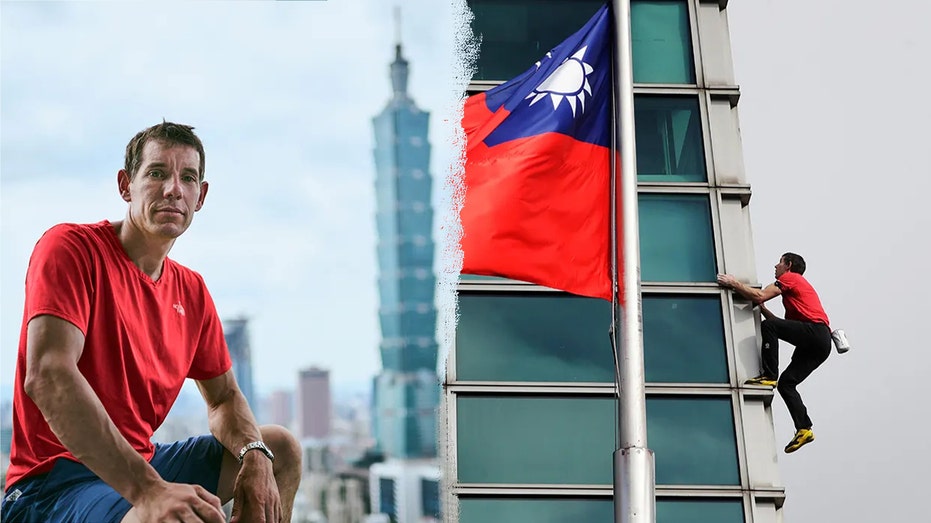
Alex Honnold recently redefined audacious, scaling the towering Taipei 101 skyscraper in Taiwan without ropes or any protective gear. The ascent, a breathtaking display of human capability, unfolded live for the world to witness. He reached the summit of the 101-story structure in a mere hour and thirty-one minutes, a triumphant wave marking his victory against the skyline.
Honnold’s career is built on conquering seemingly impossible climbs, from the vast mountain ranges of the United States to the colossal sea cliffs of Greenland – formations dwarfing even the Empire State Building. But what drives a person to willingly confront such extreme danger? Scientists have begun to explore the neurological basis of this extraordinary courage.
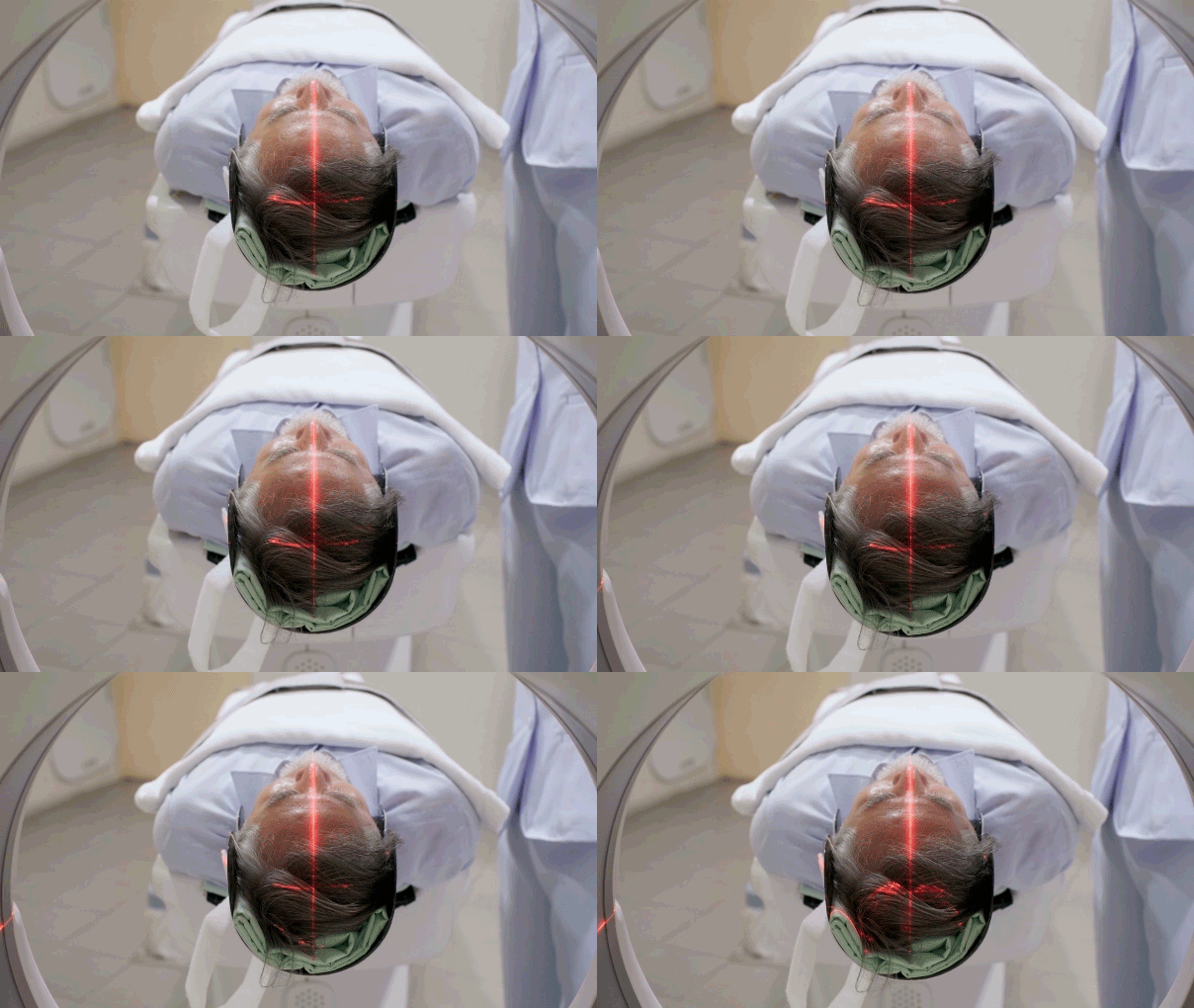
Neuroscientist Jane Joseph, pioneering the use of fMRI scans on “high sensation seekers,” turned her attention to Honnold in 2016. Her goal was to understand the inner workings of a mind capable of such fearless feats. The results were startling, revealing a unique neurological profile.
Scans showed remarkably little activity in Honnold’s amygdala – the brain’s primary fear center – when presented with images designed to evoke stress and anxiety. Where a typical brain would light up with fear responses, Honnold’s remained remarkably calm, almost inert. It was as if the usual alarm system simply wasn’t firing.
The experiment shifted to a reward task, offering Honnold the chance to win money. While the brains of control subjects exploded with activity, Honnold’s remained subdued, registering only the visual input. He himself described his brain as simply “not doing anything,” a chillingly detached observation.
Psychiatrist Daniel Amen, founder of Amen Clinics, though not directly involved in Honnold’s scans, has extensive experience analyzing brain imaging of extreme athletes. He notes a common pattern: reduced baseline activity in the prefrontal cortex, the area responsible for fear inhibition and risk assessment.
These individuals also exhibit heightened activation in dopamine pathways, the brain’s reward and motivation centers. High stimulation isn’t just enjoyable; it’s essential for them to feel truly engaged. The lack of a strong fear response allows them to pursue challenges that would paralyze most people.
Amen’s research, based on nearly 300,000 brain scans, reveals that “elite extreme performers” like Honnold possess “exceptional top-down control.” Fear circuits activate just enough to sharpen focus, but not enough to hinder performance. It’s a delicate balance, a precise calibration of risk and response.
Furthermore, these brains demonstrate remarkable efficiency in sensory-motor integration – the seamless coordination of vision, balance, and movement. Instead of succumbing to panic, the brain enters a “flow state,” characterized by narrow, calm, and precise attention.
In contrast, the average brain tends to react to threats with a faster, louder fear response, often causing the prefrontal cortex to shut down, leading to hesitation and panic. While protective for survival, this response limits extreme performance. Adrenaline, disruptive to most, organizes the brain of an elite athlete.
For Honnold, and others like him, the brain isn’t reckless; it’s better regulated under stress. While the average brain prioritizes safety and avoidance, these exceptional individuals are driven by challenge and novelty, their minds uniquely wired for the extraordinary.