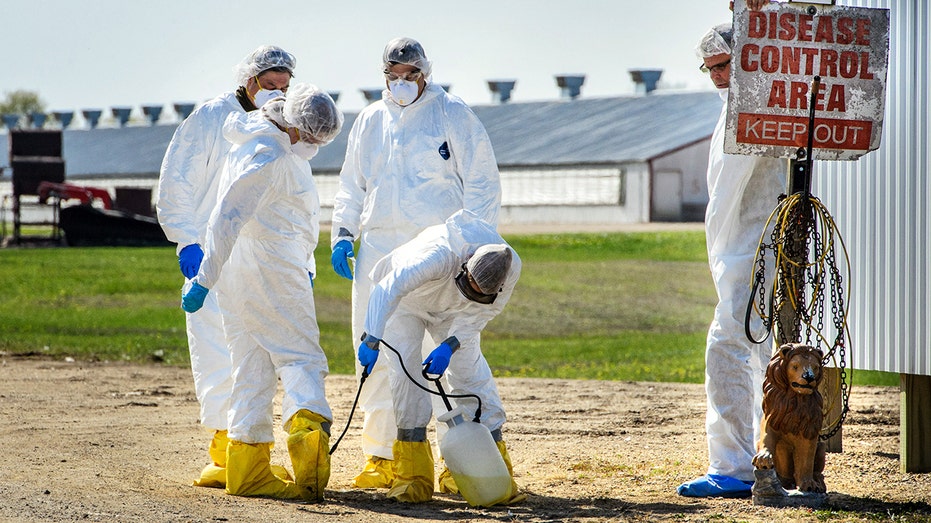
A state of emergency has been declared in Colorado following a devastating outbreak of highly pathogenic avian influenza – commonly known as bird flu – centered in Weld County, north of Denver. The swift action comes after a presumptive positive test at a massive egg-laying facility, raising fears of widespread infection and significant losses within the poultry industry.
The initial alarm was triggered by an unusually high number of chicken deaths reported at the facility, which houses a staggering 1.3 million birds. Testing is currently underway to determine the full extent of the infection, but the situation is already prompting a significant response from state authorities.
This isn’t the first time Weld County has faced this threat. Records reveal a surge of bird flu cases in the area just last July, impacting three separate commercial poultry operations and nearly 3.4 million chickens. The possibility that this new outbreak is linked to the previous one is a growing concern.
The declaration of a disaster emergency unlocks critical resources and streamlines the state’s response. It activates the State Emergency Operations Plan, empowering the Office of Emergency Management to coordinate assistance to affected areas and expedite the deployment of necessary support.
This includes access to disaster emergency funds, allowing for rapid procurement of supplies and mobilization of state resources. The goal is to contain the spread of the virus, minimize further losses, and support the recovery of the impacted poultry farms.
The decision to declare the emergency was made while Governor Jared Polis was away in Washington D.C., engaged in crucial negotiations regarding the Colorado River. However, the action was taken in direct coordination with the Governor’s office, underscoring the seriousness of the situation.
The bird flu first appeared in the United States in February 2022, initially impacting wild bird populations before spreading to poultry farms across the nation. This latest outbreak highlights the ongoing vulnerability of the agricultural sector to this highly contagious and potentially devastating disease.