A recent hearing in the House of Representatives revealed a critical juncture for Lebanon, a nation poised on the edge of a potentially historic shift. Lawmakers and experts alike described a fleeting window of opportunity to weaken Hezbollah’s grip and restore genuine sovereignty to the Lebanese state, but time is rapidly dwindling.
Chairman Mike Lawler opened the session with a stark assessment: Lebanon stands “at a crossroads” following the November ceasefire. He believes this moment presents an “unprecedented opportunity” to liberate Lebanon from Iran’s pervasive influence, yet cautioned that progress toward that goal has been frustratingly slow and inconsistent.
Ranking member Brad Sherman voiced a more urgent concern, directly challenging the administration’s current approach. He warned that Hezbollah is actively rebuilding its strength, and that U.S. policy risks allowing this critical opportunity to slip away, effectively squandering the chance for lasting change.
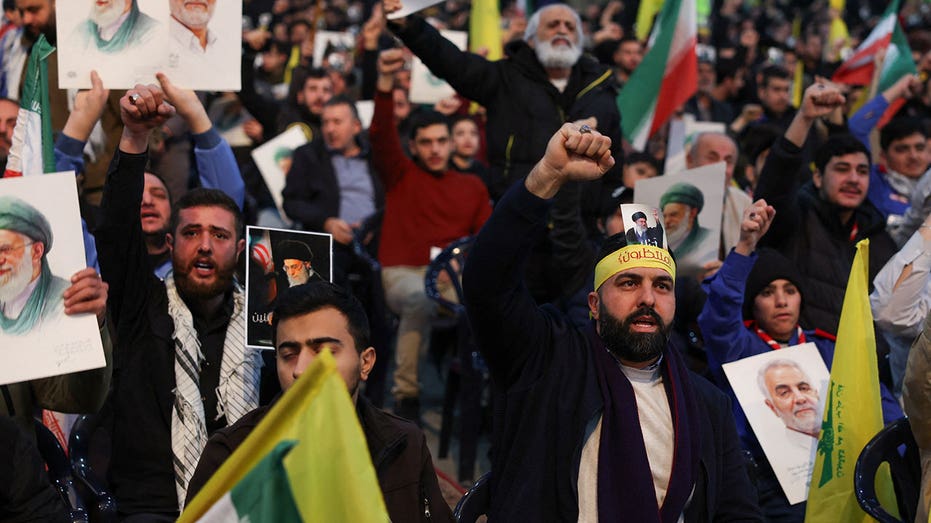
Experts testified that while Hezbollah has suffered military setbacks, the path to complete disarmament is proving arduous. Despite a greater presence of the Lebanese Armed Forces in southern Lebanon, true control remains elusive, with Hezbollah continuing to exert significant influence over the region.
The core issue, witnesses emphasized, is no longer a lack of capability, but a deficit of political will. Hezbollah thrives within a system riddled with corruption and fueled by a largely unregulated, cash-based economy, making disarmament alone insufficient to dismantle its power.
Hanin Ghaddar, a senior fellow, highlighted the crucial role of Lebanon’s financial system, stating that “weapons can be collected, but money keeps flowing.” She argued that without dismantling the economic ecosystem that supports Hezbollah, any disarmament efforts will be short-lived and ultimately ineffective.
Witnesses universally agreed that U.S. aid must be directly linked to tangible progress – measurable steps toward disarmament and genuine economic reform. Renewed sanctions targeting corrupt officials obstructing these reforms were specifically recommended as a vital tool.
Current U.S. policy, while focused on Hezbollah’s disarmament, was described as incomplete. Experts warned that upcoming parliamentary elections could dramatically alter the trajectory, potentially empowering Hezbollah-aligned politicians and undoing recent gains.
However, a subtle but significant shift is occurring within Lebanese society. The long-held “mythology of resistance” surrounding Hezbollah is fracturing, and the prospect of peace is no longer considered taboo. This changing public sentiment offers a potential foundation for lasting change.
Normalization with Israel, some argued, could further raise the political stakes for Hezbollah’s rearmament and solidify the momentum toward reform. A credible path toward peace, they believe, is essential to transforming disarmament and economic reform from temporary measures into structural changes.