A dramatic clash is unfolding between Spain and major social media platforms, ignited by Prime Minister Pedro Sánchez’s bold announcement at the World Government Summit in Dubai. Sánchez unveiled a sweeping plan to hold social media executives criminally responsible for harmful content and to aggressively regulate platform algorithms, a move poised to reshape the digital landscape.
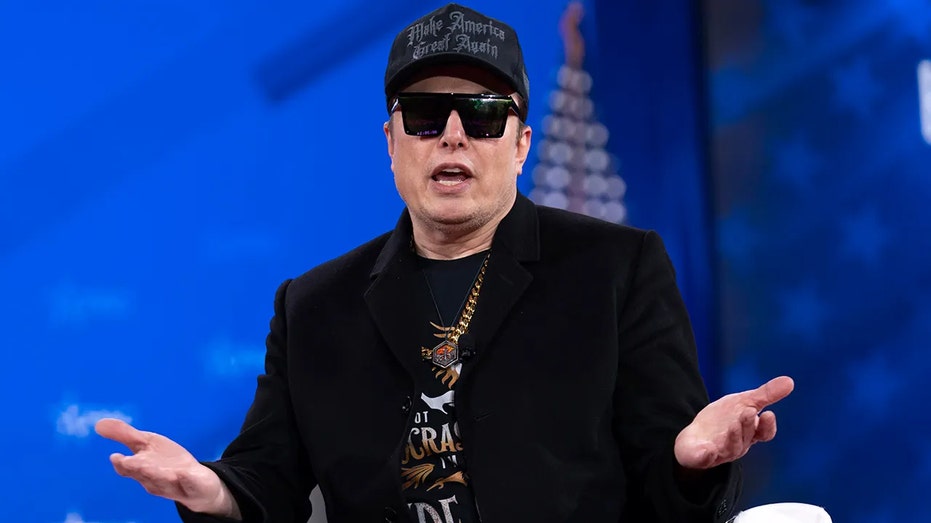
The response from Elon Musk, owner of X (formerly Twitter), was immediate and scathing. He unleashed a barrage of insults directed at Sánchez, employing explicit language and a dismissive emoji, signaling a fierce resistance to the proposed changes.
Sánchez framed the issue as a crisis of accountability, describing social media as a “failed state” overrun by disinformation, hate speech, and criminal activity. He argued that platforms have operated with impunity for too long, fostering an environment where harmful content thrives unchecked.
The Prime Minister directly challenged Musk, accusing him of amplifying false narratives regarding Spain’s immigration policies. Sánchez pointed out the irony of the X owner, himself an immigrant, allegedly spreading misinformation about the regularization of migrants contributing to the country’s success.
The core of Spain’s plan involves amending laws to establish criminal liability for platform executives who fail to remove illegal or hateful content. This unprecedented step could expose those in leadership positions to potential prosecution, dramatically raising the stakes for social media companies.
Beyond individual accountability, Spain intends to criminalize the algorithmic amplification of illegal content. This targets not only those creating disinformation but also the platforms whose systems profit from its spread, acknowledging that harmful content doesn’t simply appear spontaneously.
A novel “hate and polarization footprint” will be established – a system designed to track and quantify the extent to which platforms contribute to division and the spread of hate. This data will form the basis for future legal action and financial penalties, aiming to make hate speech a costly endeavor.
Protecting children is another key pillar of the initiative. Spain will ban social media access for those under 16, mandating robust age-verification systems designed to be genuine barriers, not easily bypassed checkboxes. Sánchez described the current online environment as a dangerous space for young people, rife with addiction, abuse, and harmful content.
The government is also preparing to launch investigations into Grok, TikTok, and Instagram, signaling a zero-tolerance approach to alleged violations. Sánchez vowed to defend Spain’s digital sovereignty against foreign interference, asserting a firm commitment to fighting back against unchecked platform power.
This confrontation marks a significant escalation in the global debate over social media regulation, positioning Spain as a potential pioneer in holding platforms accountable for the content they host and the algorithms they employ. The world is watching to see if this bold strategy will succeed in taming the “failed state” of the digital world.