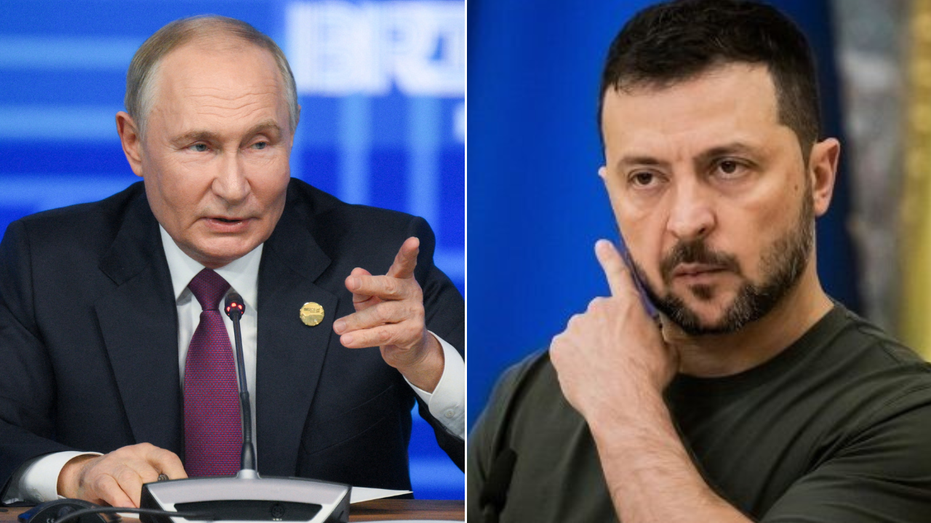
A determined push for peace is underway, driven by a clear directive from President Trump: to forge a “lasting and durable peace” between Ukraine and Russia. Recent intensive negotiations in Berlin, involving top U.S. officials, Ukrainian President Zelenskyy, and key European leaders, have yielded what’s being described as an exceptionally strong framework for a potential agreement.
For nearly six hours Sunday, and over two hours Monday, U.S. officials engaged in detailed discussions with the Ukrainian delegation. The central aim, officials emphasized, is to halt Russia’s westward advance – a pattern observed under previous administrations. President Trump is resolute in reversing this trend, seeking a definitive end to further territorial expansion.
Beyond the immediate cessation of hostilities, a critical focus has been Ukraine’s long-term viability. Discussions extended to the nation’s economic future, with asset management expertise offered to help rebuild and stabilize the Ukrainian economy. The goal is not merely survival, but a secure and prosperous future for the Ukrainian people.
European leaders have repeatedly stressed Ukraine’s importance to their own security, recognizing the need for a financially stable and robust partner. However, the core of the negotiations revolved around ironclad security guarantees – a comprehensive set of protocols designed to deter future aggression and swiftly address any violations.
This proposed security package is being hailed as unprecedented in its strength and detail. Officials believe it represents the most robust deterrent ever presented, offering a level of assurance that both Ukraine and its European allies desperately need. The hope is that Russia will recognize the seriousness of these guarantees and choose a path of compliance.
The framework includes robust oversight mechanisms and clear protocols for de-escalation, all designed to instill confidence and security within Ukraine. At its heart lies the potential for “Article Five” style guarantees – a commitment to collective defense that would fundamentally alter the security landscape.
A significant development is Russia’s reported openness to Ukraine’s potential membership in the European Union. This would represent a monumental shift, potentially marking the largest expansion of the Euro-free zone since the fall of the Berlin Wall – a double victory for stability and freedom.
President Trump has made it unequivocally clear that the ultimate decisions regarding territorial issues and other outstanding concerns rest with Ukraine. The U.S. role is to facilitate a strong and equitable agreement, not to dictate terms or exert undue pressure.
The collaborative spirit of the negotiations has been particularly encouraging, with officials praising the commitment of Germany, the United Kingdom, and France. A unified front is emerging, fueled by a shared desire to end the conflict and establish a lasting peace.
Multiple potential solutions have been presented, aimed at bridging the gap between the Ukrainian and Russian positions. Progress has been made in narrowing the key points of contention, fostering a sense of genuine progress and good faith. Officials stand ready to travel to both Russia and Ukraine to further facilitate these discussions.
The overarching objective is to create a secure and prosperous future for Ukraine, while also offering Russia a pathway back into the global economy – an incentive to prioritize peace and stability. This is a full U.S.-European effort, driven by the unwavering commitment to achieve a lasting resolution.
The message is clear: the U.S. is fully invested in helping to facilitate a durable peace, acting on President Trump’s instructions to do “what it takes” to bring an end to this conflict and prevent its recurrence.