A horrific act of terror unfolded at a Hanukkah celebration in Sydney, Australia, leaving sixteen dead and forty hospitalized. The attack, carried out by a father and son, has been officially designated as terrorism by New South Wales authorities, sending shockwaves across the globe.
The tragedy ignited a fierce debate within the United States political landscape, specifically regarding the appropriate response to rising antisemitism. While universal condemnation of the attack existed, starkly different approaches to addressing the underlying issues emerged.
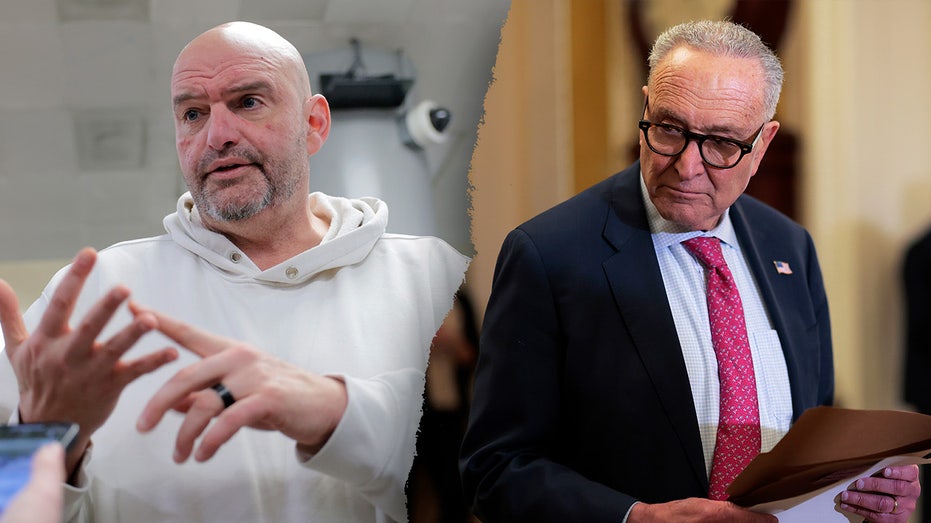
Senator Chuck Schumer, the highest-ranking Jewish lawmaker in American history, drew criticism for offering condolences immediately following a reference to a football game. His seemingly incongruous statement sparked accusations of being tone-deaf in the face of such profound loss.
Conversely, Senator John Fetterman passionately urged a more resolute stance against antisemitism, arguing that failing to do so would embolden further violence. He specifically criticized calls for a two-state solution while Hamas continues to threaten Jewish lives.
This division highlights a growing rift within the Democratic Party regarding discussions surrounding Israel. The contrasting responses underscore the complexities of navigating sensitive geopolitical issues during times of crisis.
The attack in Bondi Beach occurred amidst a surge of pro-Palestinian protests in Australia, coinciding with a dramatic increase in antisemitic incidents. Reports indicate a staggering 300% rise in hate and violence directed towards the Jewish community in the past two years.
Across the Pacific, the United States has experienced a similar alarming trend. The Anti-Defamation League reports a more than 315% increase in antisemitic incidents over the last five years, fueling anxieties within the Jewish community.
Twenty-five Jewish members of the U.S. House of Representatives released a joint statement emphasizing that the Sydney attack wasn’t an isolated event. They highlighted the Jewish community’s long-standing concerns about escalating antisemitism and a lack of sufficient action from authorities.
The lawmakers described antisemitism as a “cancer” that threatens the foundations of society, calling for unwavering support for those affected and a renewed commitment to combating hate in all its forms. They implored leaders worldwide to prioritize the safety and security of Jewish communities.
Senator Ted Cruz sharply criticized Democrats for what he perceived as a reluctance to condemn anti-Israel rhetoric, specifically referencing the phrase “globalize the Intifada” and questioning its implications. This phrase, used by critics of Israel, has become a rallying cry for some protesters.
The controversy surrounding the phrase extends to New York City, where the mayor-elect has faced pressure to denounce it. His reluctance to do so has sparked further debate about the boundaries of acceptable discourse regarding Israel.
The unfolding events serve as a stark reminder of the pervasive threat of antisemitism and the urgent need for decisive action. The attack in Sydney, and the reactions it has provoked, underscore the fragility of peace and the importance of unwavering solidarity with vulnerable communities.