Caracas exists in a state of suspended reality. More than three weeks have passed since the unprecedented U.S. intervention and the capture of former President Nicolás Maduro, yet a chilling quiet has settled over the capital, a silence born not of peace, but of fear.
The city moves at a diminished pace, shadowed by the specter of another attack. The January 3rd operation, while successful in removing Maduro and installing Vice President Delcy Rodríguez as interim leader, has unleashed a wave of profound uncertainty, leaving Venezuelans grappling with an unknown future.
Psychological consultations in Caracas have surged, according to Brayner López, president of the Capital District College of Psychologists. Anxiety is the dominant diagnosis, a direct consequence of the extraordinary events that unfolded.
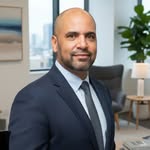
López explains that the population was fundamentally overstimulated, bombarded by news and, for some, directly exposed to the violence. This has amplified existing anxieties, focusing minds on the most primal instinct: self-preservation.
The echoes of the attack reverberate in the anxieties of everyday citizens. Patients repeatedly express the same haunting refrain: “I thought I was going to die,” or “I thought this was the end.” The trauma is deeply ingrained.
The government reports a devastating toll – 100 lives lost, including security forces and members of Maduro’s inner circle. Civilian homes near targeted areas were also caught in the crossfire, adding to the widespread sense of vulnerability.
Beyond anxiety, residents are experiencing panic attacks and terrifying night terrors. The psychological wounds are varied and deeply personal, extending beyond those directly impacted to encompass families and friends consumed by worry.
Elizabeth Pereira, a 52-year-old lawyer, shared her experience in Altamira Square, a landmark of Caracas. She described a persistent anxiety fueled by the sheer uncertainty of what lies ahead for Venezuela.
Pereira’s primary concern isn’t a specific political outcome, but the lack of clarity itself. While interim President Rodríguez and U.S. President Trump have forged a tentative alliance, promising economic revitalization through oil and infrastructure agreements, the path forward remains obscured.
“I am anxious about the future: what will happen tomorrow?” she confessed, voicing a sentiment shared by many. The economic crisis has been relentless, and the desire for immediate change is overwhelming.
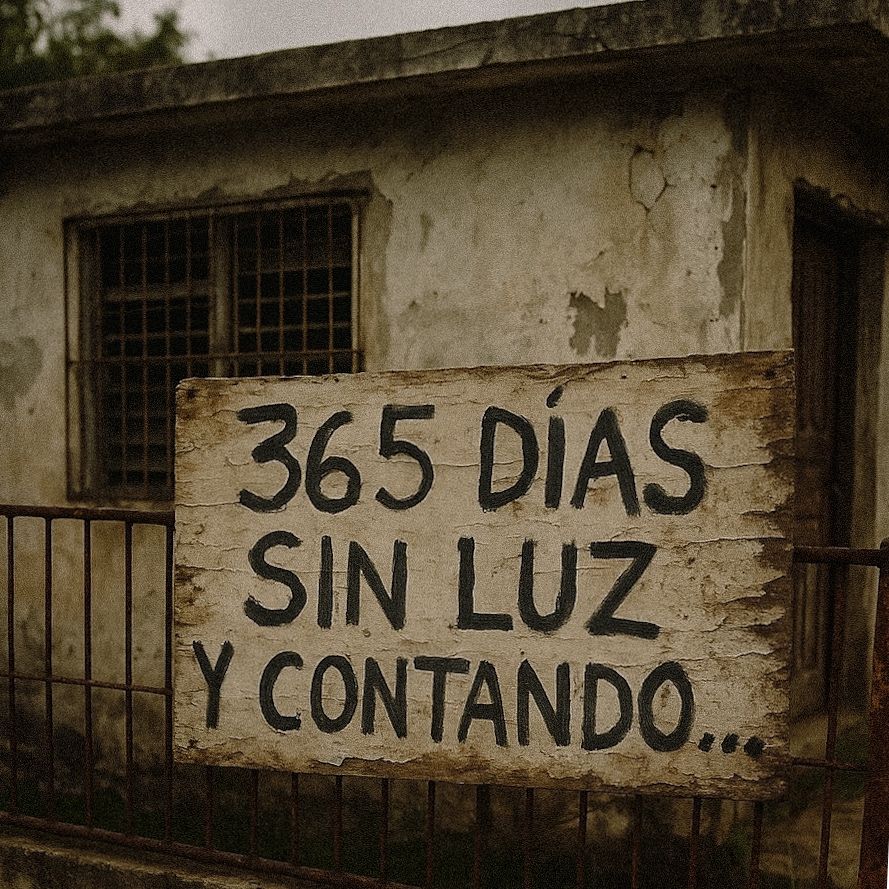
The weight of a decade-long crisis has left citizens emotionally exhausted, yearning for tangible improvements. While acknowledging that lasting change requires time, the psychological toll demands a quicker response.
López recommends a deliberate regulation of information intake, urging residents to limit exposure to anxiety-inducing news. Instead, he advocates for activities that promote calm, balance, and a sense of normalcy.
“Spend that time on things that are aimed at generating calm,” López advises, emphasizing the importance of adapting and continuing life despite the trauma. Life persists, and resilience is paramount.
For those struggling with more severe reactions, López stresses the value of seeking professional psychological counseling. Support from a specialist can provide crucial tools for navigating the emotional aftermath and fostering healing.
The images of the January 3rd attack, circulated widely on social media, serve as a stark reminder of the fragility of peace and the enduring psychological impact of conflict.