Santiago is bracing for a fractured opposition as the incoming administration of José Antonio Kast prepares to take power. A recent meeting convened by Chile’s Socialist Party, intended to forge a united front, instead revealed deep fissures within the left, leaving key players sidelined.
The invitation list itself spoke volumes – only center-left parties were included, pointedly excluding the Broad Front coalition and the Communist Party. This deliberate exclusion signals a definitive break and raises serious concerns about the left’s ability to effectively challenge Kast’s hard-right agenda.
Political analysts warn that this lack of cohesion could significantly empower the new president. Without a unified opposition bloc, Kast gains leverage to negotiate and potentially secure support for his key initiatives, navigating a fragmented Congress with strategic alliances.
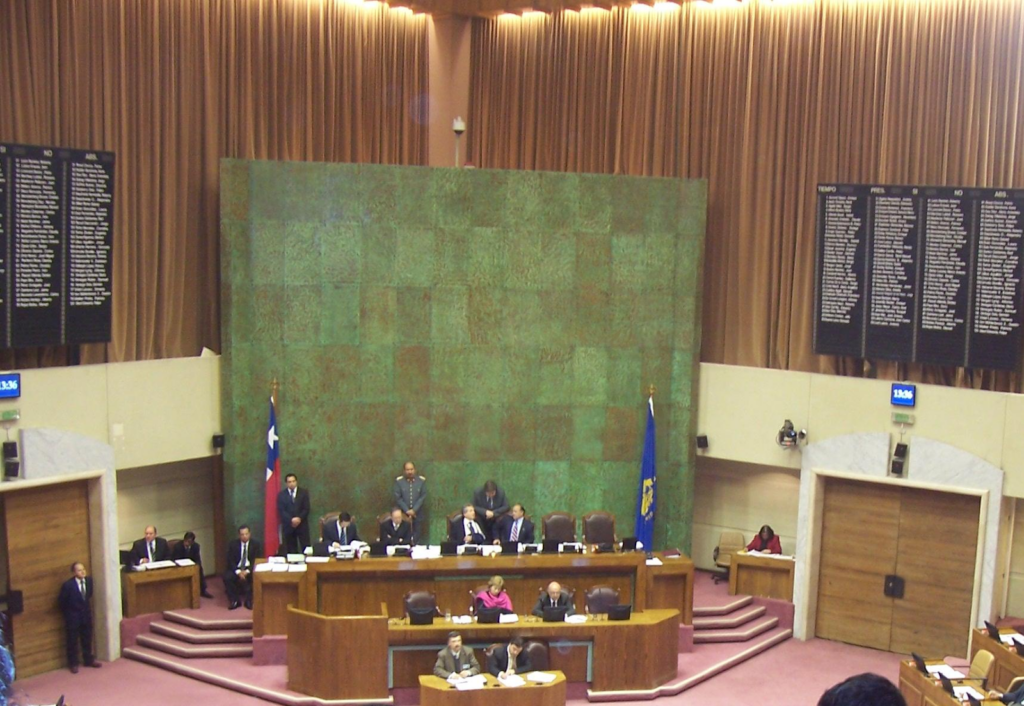
Just weeks before leaving office, President Gabriel Boric publicly pleaded for unity, acknowledging the public’s desire for collaboration over internal conflict. He urged his coalition to focus on working together for the good of Chile, but his appeal appears to have fallen on deaf ears.
The roots of this division run deep, stemming from fundamental strategic and political differences. Years of frustration over a lack of agreement and coordination during the Boric administration have finally boiled over, creating an entrenched rift.
Many within the center-left believe a lack of strong leadership from President Boric contributed to the fragmentation. Critics argue he failed to provide a unifying forum or mediate long-standing tensions in a timely manner, allowing divisions to fester.
A specific point of contention was the Nain–Retamal Law, initially promoted by Boric and passed in 2023. Subsequent legal rulings, particularly the acquittal in the Gatica case, reignited debate and accusations, further exacerbating the divide.
The Broad Front and Communist Party directly blamed the Socialist Party and the PPD for supporting a law they deemed detrimental to human rights. Accusations flew, with one side questioning the law’s compatibility with fundamental rights and the other defending their position.
The resulting tension led Democratic Socialism to advocate for separate opposition blocs, each pursuing distinct strategies to confront the incoming government. A former senator bluntly dismissed the Broad Front and Communist Party as “obsolete projects” with no viable future.
Despite the split, both sides share common ground in their commitment to protecting social gains and advancing a progressive agenda. However, they will operate independently, cooperating only selectively when legislative majorities demand it – a situation that could ultimately benefit Kast.
Chile now faces a political landscape defined by division, where the effectiveness of the opposition hangs in the balance. The coming months will reveal whether these fractured forces can overcome their differences or if Kast will capitalize on their disunity.