A new era of economic partnership dawned between Brazil and Panama last week, solidified by four significant cooperation agreements during Brazilian President Luiz Inácio Lula da Silva’s visit. The agreements signal a deepening relationship, built on mutual benefit and a shared vision for growth in the Latin American region.
Central to this burgeoning alliance is an investment facilitation agreement modeled after Brazil’s successful ACFI framework. This system, refined over the past decade, is designed to dramatically reduce risks and resolve disputes for investors, fostering a more secure and predictable environment for capital.
The frequency of high-level meetings underscores the commitment from both nations. Presidents Lula and Mulino have convened six times since Panama achieved Associate State status within Mercosur earlier in 2024, demonstrating a proactive approach to strengthening ties.
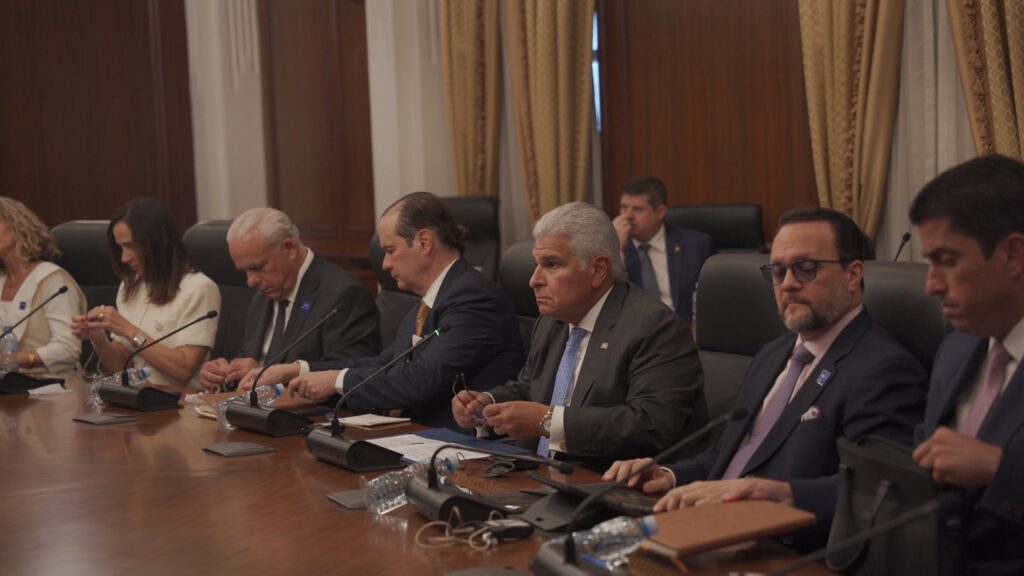
Panamanian President José Raúl Mulino highlighted the strategic importance of the agreements, emphasizing their potential to boost trade, enhance cooperation in vital sectors like tourism and port operations, and unlock preferential tariff arrangements.
President Lula echoed this sentiment, stating the new agreement will directly stimulate the flow of trade and investment between the two countries. He also noted Panama’s crucial role as Brazil’s primary Central American trading partner, with bilateral trade already experiencing a remarkable 78% surge in the past year.
Brazilian Minister of Development, Industry, Trade, and Services, Geraldo Ackim, described the moment as laying the foundation for a “qualitative leap” in the economic relationship. He pointed to increased investment security, clearer regulations, and expanded trade opportunities as key benefits.
The partnership extends beyond economics. Following a meeting in Brasilia last year, Panama acquired four Embraer A-29 Super Tucano aircraft from Brazil, and President Lula reaffirmed Brazil’s unwavering support for Panama’s sovereignty over the Panama Canal – a critical waterway facing past external pressures.
Panama’s recent participation in the Mercosur summit, where it formally presented its national law solidifying its associate state status, further illustrates its integration into the regional bloc. This status grants Panama preferential access and collaborative opportunities without requiring full adoption of Mercosur’s common external tariff.
The investment facilitation agreement itself is built on principles of fairness and transparency. It guarantees non-discrimination, provides for fair compensation in the event of disputes, and ensures the free transfer of funds – essential components for attracting foreign investment.
A joint committee, comprised of representatives from both governments, will be established to oversee the agreement’s implementation and proactively address any potential disagreements. Dedicated ombudsmen in each country will also serve as vital liaisons between investors and host nation authorities.
Beyond investment, the two nations are collaborating on maritime transport, logistics, and sustainability through a memorandum of understanding between their respective port authorities. They also initiated negotiations for a partial scope trade agreement and outlined an action plan to enhance tourism cooperation.
These agreements represent more than just economic transactions; they signify a strategic alignment between two nations poised to play an increasingly important role in the future of Latin American trade and development.