Nicole González, a NASA engineer working on the Mars Rover, received devastating news in 2017. As Hurricane Maria unleashed its fury on Puerto Rico, she lost all contact with her family on the island – a place she deeply considered home.
The storm, the deadliest in modern Puerto Rican history, plunged the island into darkness. For two agonizing weeks, González waited, haunted by a stark realization: we can power robots on Mars, yet struggle to keep the lights on for people on Earth.
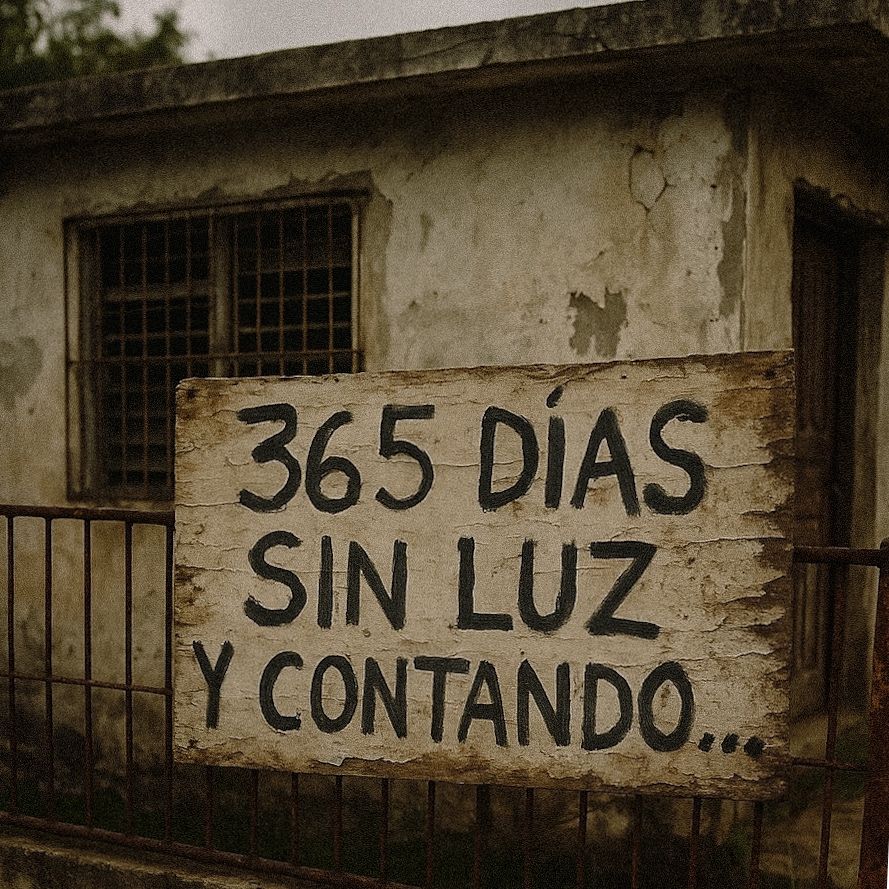
A year later, driving through the ravaged mountains of Puerto Rico, she saw a heartbreaking sign painted on a home: “365 days without power and counting…” That image crystallized her purpose, igniting a determination to find a solution.
Maria wasn’t an isolated event. It followed closely on the heels of Hurricane Irma, which crippled two-thirds of the island’s power grid just two weeks prior. Together, these disasters damaged over a million homes and tragically claimed an estimated 4,500 lives – most not from the initial storm, but from the cascading failures of essential services.
The prolonged blackout had devastating consequences. Critical medical equipment failed, access to healthcare vanished, and the island’s economy suffered billions in damages. González understood this wasn’t a distant problem; it was a daily reality for the people she loved.
Driven by this urgency, González left NASA and pursued a master’s degree in Design Impact Engineering at Stanford. She learned to design *with* communities, not *for* them, a crucial shift in perspective.
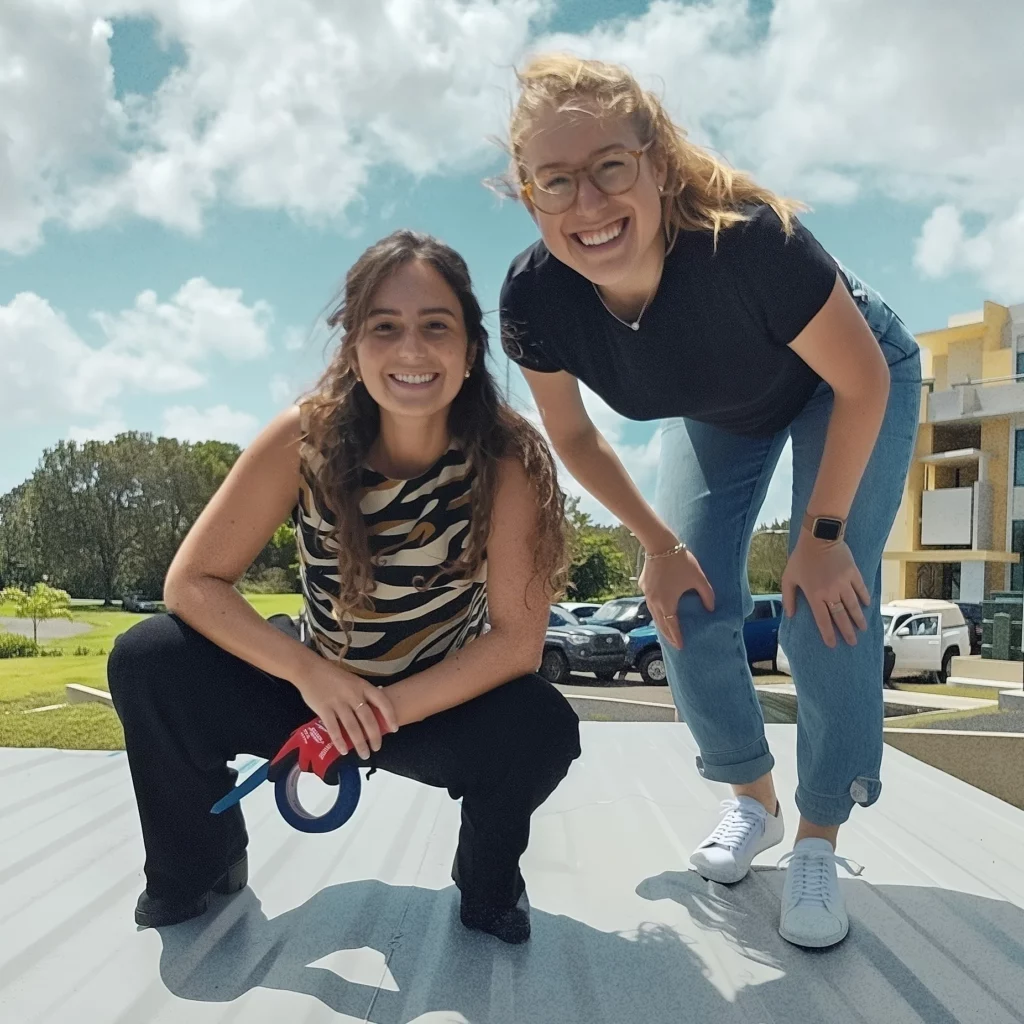
This led to the creation of Raya Power, a company she co-founded with a revolutionary idea: a plug-and-play solar-plus-battery system that requires no professional installation and can be set up in hours. It’s a direct response to the systemic failures that left so many in the dark.
Puerto Rico’s energy crisis is deeply rooted in its history. Originally designed as a colonial patchwork in the early 1900s, the island’s electricity infrastructure favored urban centers, leaving rural communities underserved.
The 1947 Operation Bootstrap aimed to modernize the island, consolidating power under the Puerto Rico Electric Power Authority (PREPA) with federal funding. However, this ultimately led to a dangerous dependence on imported fossil fuels, leaving Puerto Rico vulnerable to volatile global markets.
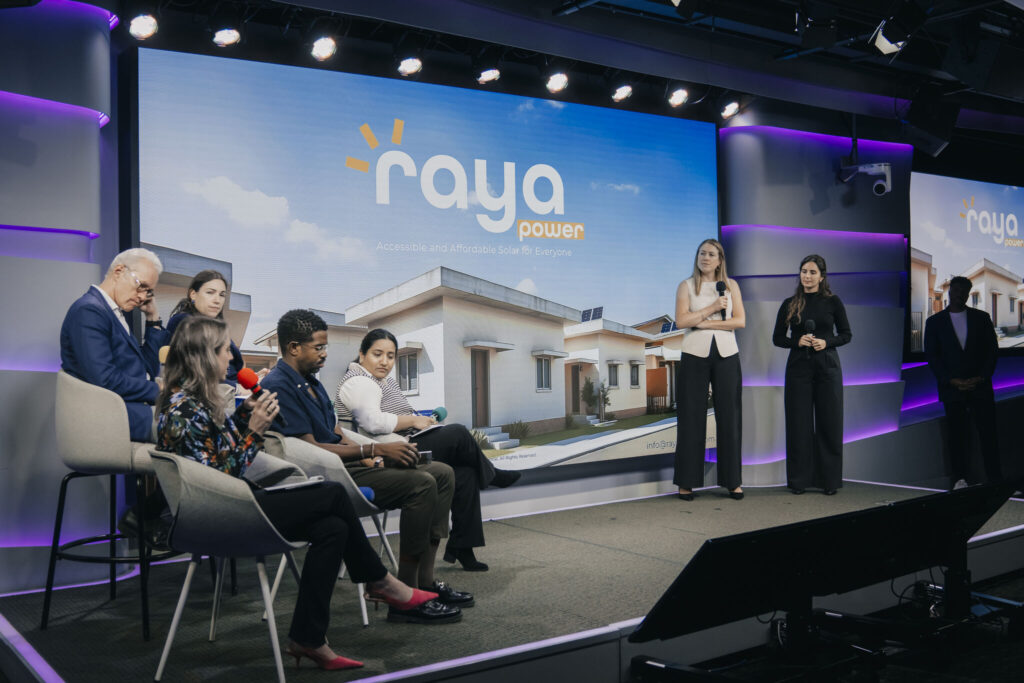
By the 1970s, over 90% of the island’s power came from oil. PREPA eventually declared bankruptcy in 2017, burdened by $9 billion in debt. A controversial agreement with the private firm LUMA Energy in 2020 promised reform, but instead sparked further outrage over chronic outages and rising costs.
Recently, the Puerto Rican government initiated legal action to cancel LUMA’s contract, citing years of unfulfilled promises. Governor Jennifer González-Colón expressed frustration, stating the firm failed to deliver on its commitments regarding federal funding and grid reconstruction.
The reality is stark: Puerto Ricans can no longer rely on traditional power systems. A recent system-wide blackout, occurring during clear weather, underscored the fragility of the grid and raised serious concerns about its stability.
Communities are increasingly turning to solar energy as a resilient alternative. As of 2025, rooftop solar accounts for over 10% of the island’s electricity consumption, with projections indicating a 60% increase by 2028. Nearly 19% of homes now have solar installations.
Raya Power’s system is designed for simplicity. “It’s as easy as setting up an Ikea table,” explains González. Unlike traditional systems, Raya directly powers essential appliances, seamlessly blending solar energy with grid power and providing uninterrupted service during outages.
When the grid fails – as it increasingly does – Raya automatically switches to off-grid mode, keeping refrigerators running, air conditioners cooling, and internet connections alive. It’s about empowering individuals with control over their energy, safety, and stability.
The need for such solutions extends far beyond Puerto Rico. Blackouts are a recurring crisis across Latin America, from Chile and Argentina to Panama and Cuba. Yet, the region possesses immense potential for renewable energy.
Global Energy Monitor estimates Latin America could increase its solar and wind capacity by over 460% by 2030. Renewables already provide around 70% of the region’s electricity, but significant investment in infrastructure and innovation is needed to make it accessible to all.
Raya Power’s initial focus is on scaling across Puerto Rico and California, with plans to expand to Hawai’i, the Caribbean, and beyond. González believes innovations like theirs are essential to democratizing access to reliable, sustainable energy for communities facing vulnerability.
The core mission is clear: to provide real control, real safety, and real stability – not someday, but now.