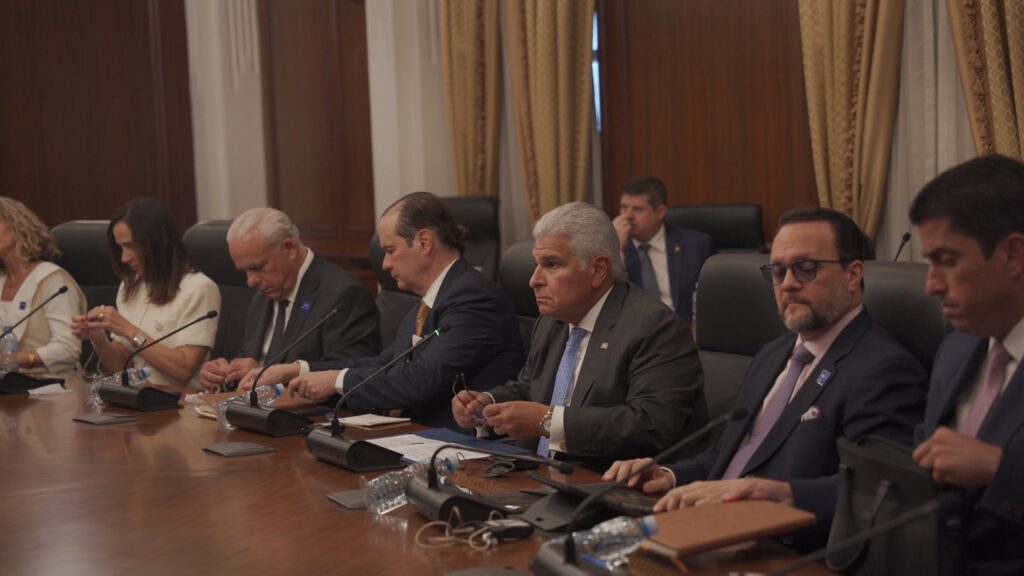
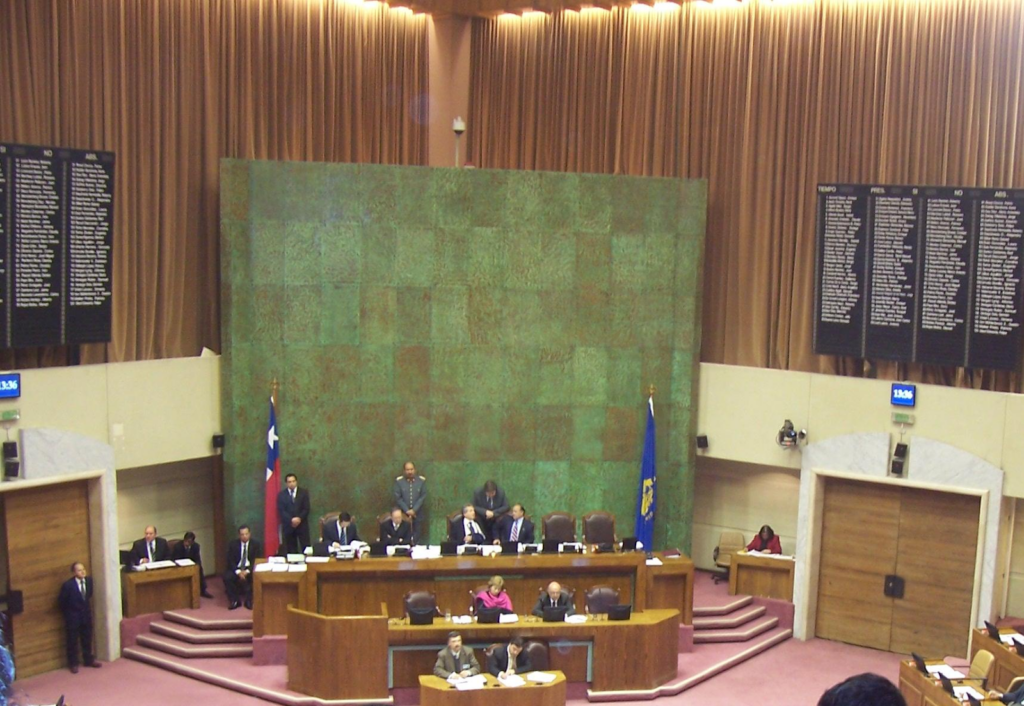
Chile’s newly elected President José Antonio Kast embarked on a significant journey to El Salvador, a visit centered around a controversial model of citizen security. His destination: a meeting with President Nayib Bukele and a firsthand look at CECOT, the nation’s sprawling, high-security mega-prison.
CECOT has become a focal point of international debate, drawing condemnation from human rights organizations who allege widespread abuses within its walls. The facility also recently received over 250 Venezuelans deported from the United States, adding another layer of complexity to its already fraught reputation.
Kast’s campaign was built on a promise to aggressively tackle crime, and Bukele’s approach – though polarizing – clearly resonated with the incoming Chilean leader. However, Kast was quick to clarify that a simple replication of the Salvadoran system isn’t his goal, acknowledging the distinct realities of Chile.
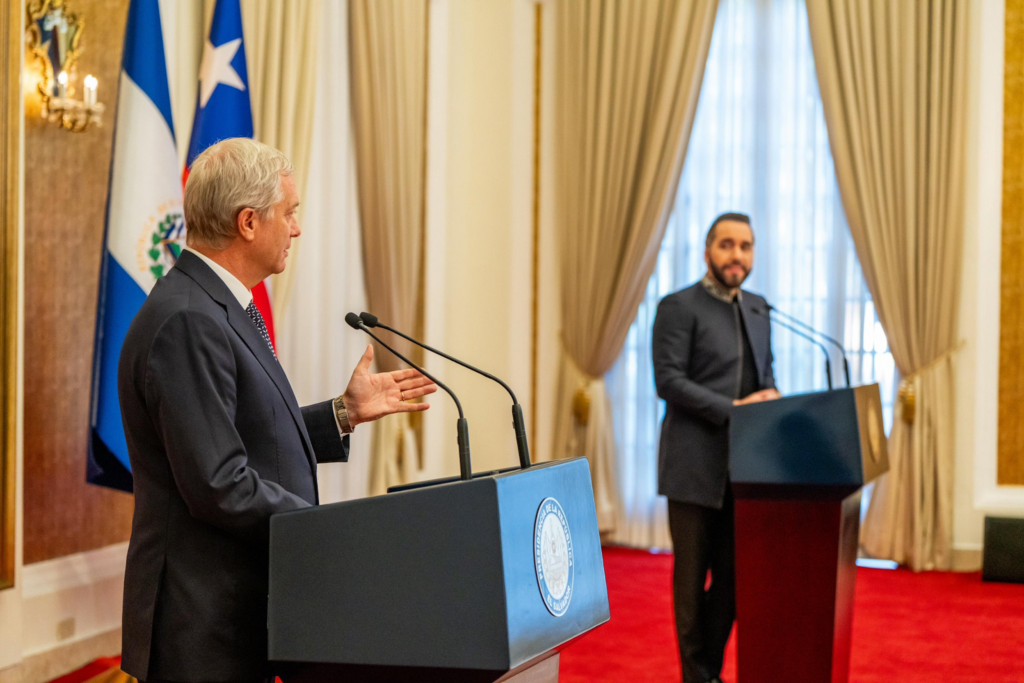
During a joint press conference, a Chilean journalist directly questioned the human rights record within CECOT. Bukele responded with a stark defense, arguing that the rights of those accused of heinous crimes – murder, rape, and violence against children – should not outweigh the rights of law-abiding citizens.
Organizations like Amnesty International have documented alarming conditions inside CECOT, including arbitrary detentions, severe overcrowding, reports of torture, and even deaths. Concerns extend beyond gang members, with accusations that opposition figures and journalists have also been unjustly targeted.
The United Nations High Commissioner for Human Rights has repeatedly voiced concerns, questioning the severity of the protocols employed at CECOT. Warnings have been issued regarding potential violations of due process, protection against arbitrary detention, and the rights of detainees transferred from other countries.
Bukele countered that El Salvador’s primary duty is to protect its citizens. While acknowledging that those imprisoned retain basic rights, he firmly rejected the notion of providing enhanced comforts at the expense of taxpayers, posing a pointed question: should funds be diverted to improve the conditions for those who have committed terrible acts?
Kast identified a critical weakness within Chile’s own prison system: a lack of control that allows organized crime to flourish from within, fueling inmate violence and eroding basic rights. He also highlighted the absence of rehabilitation programs, hindering any chance of reintegration into society.
He specifically pointed to the need for advanced communications-blocking technology, similar to that found in CECOT, and improved protection for prison guards. Kast also indicated that legislative changes would be necessary to implement any adapted version of the Salvadoran model.
The meeting concluded with a strong endorsement from Bukele, who pledged full cooperation and offered El Salvador as a resource for Kast’s administration. He extended an open invitation for the Chilean president-elect to observe and learn from their experiences, solidifying a budding alliance built on a shared, though controversial, vision of security.
Kast left El Salvador with a wealth of observations, signaling a potential shift in Chile’s approach to crime and citizen security – a shift that will undoubtedly be watched closely by both human rights advocates and those seeking a more secure future.