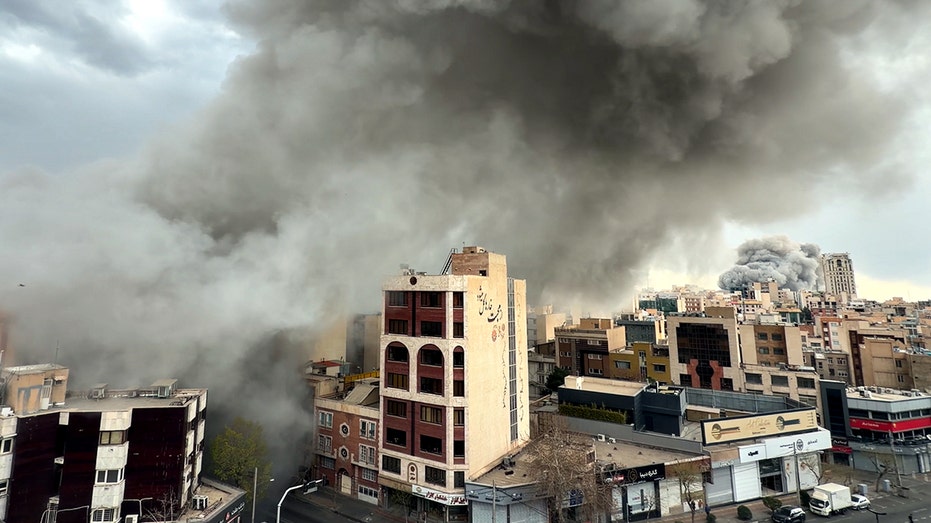
A wave of jubilation erupted across the Iranian diaspora and within Iran itself following the death of the Ayatollah, a moment many have long awaited. Celebrations filled the streets as citizens dared to express a freedom denied to them for decades, a stark contrast to the brewing unrest among hardliners and Shia militias bracing for conflict.
Footage emerged of Iranians dancing, marching, and openly praising a figure they believe played a pivotal role in this turning point. “You can’t imagine how we appreciate our country, our people,” one woman exclaimed to the camera, her voice filled with emotion. “Thank you, Mr. President, Trump. God bless you. God bless America.”
The outpouring of gratitude was echoed by others, some overcome with tears, repeatedly thanking the former president for what they perceive as a liberation. “I’m so happy. Thanks, Trump. Thanks, Trump. You are the best man in the world,” a man declared, adding a fervent hope that the promise of freedom for the Iranian people would finally be realized.

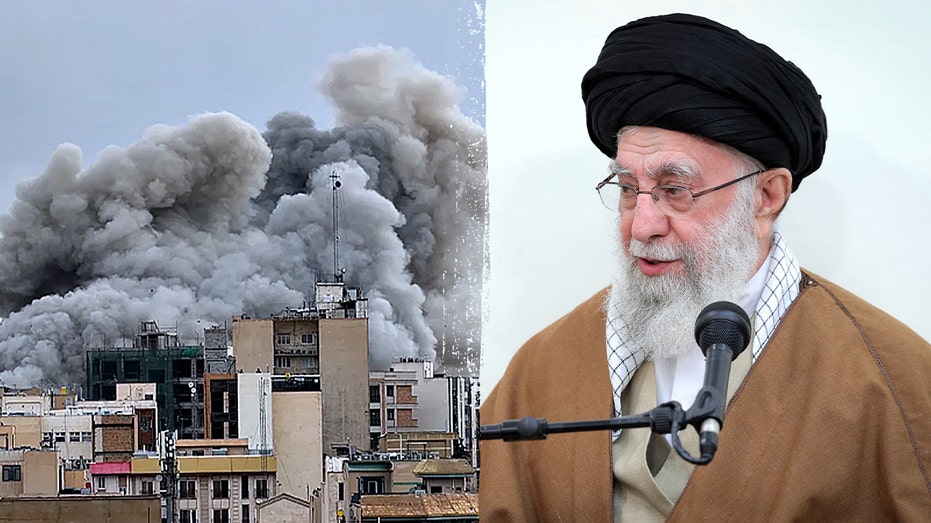
This seismic event is being described as historically significant, comparable to the fall of influential figures like Lenin or Stalin. The Ayatollah’s decades-long influence on the region and the world is now giving way to uncertainty, reshaping the geopolitical landscape and igniting both hope and fear.
However, the celebrations are not universal. Reports indicate a counter-current of mourning and defiance within Iran, with chants of “death to America” rising from those loyal to the former regime. This reveals a deeply fractured nation, galvanized on opposing sides.
The reality within Iran is complex, a patchwork of diverse opposition groups with no single unifying leader. From the long-standing, yet controversial, MEK and its political arm, the NCRI, to the exiled crown prince Reza Pahlavi, the path forward remains unclear and fragmented.
The NCRI advocates for a complete dismantling of the IRGC, a non-nuclear Iran, and a secular democratic republic, while Pahlavi proposes a national referendum and a secular parliamentary system. These competing visions highlight the challenges of forging a unified opposition.
Despite the hopes for change, the existing power structure remains firmly in place. The civilian government, the mullahs, the regular army, and crucially, the IRGC, still hold significant control. The Guard’s next move – whether to seize power, support a successor like Mojtaba Khamenei, or rally behind another cleric – will determine Iran’s immediate future.
Succession plans are likely already in motion, but the ultimate outcome remains shrouded in uncertainty. While many who suffered under the previous regime are clinging to hope, hardliners are pledging unwavering allegiance, and the threat of further bloodshed looms large. The war for Iran’s future is far from over.
The coming days and weeks will be critical as Iran navigates this precarious power vacuum. The world watches, bracing for a period of instability and uncertainty, as the Iranian people grapple with the possibility of a new era – or a descent into further conflict.